
AWS adds AI-assisted product listing service to its Marketplace portfolio
AWS launches Product Assistant, an AI-driven tool in AWS Marketplace designed to help vendors generate comprehensive product listings from existing digital assets, supporting enterprise agent growth.

Signal Snapshot
Briefing Notes
What happened and why it matters
Summary
Amazon Web Services (AWS) has officially introduced "Product Assistant," a new artificial intelligence-driven utility within its AWS Marketplace portfolio. This tool is specifically engineered to assist vendors in creating detailed and comprehensive product listings by leveraging their existing digital assets. The launch marks a strategic move to streamline the onboarding process for new services and software solutions on the platform, while simultaneously laying groundwork for the expansion of enterprise-grade AI agents.
Why it matters
The introduction of Product Assistant addresses a significant friction point in cloud marketplaces: the time and effort required to accurately describe complex technical products. By automating the generation of listing content from pre-existing digital materials, AWS reduces the administrative burden on vendors. This efficiency gain encourages more providers to list their offerings, thereby enriching the marketplace ecosystem. Furthermore, the explicit mention of supporting "enterprise agents" signals AWS's intent to facilitate autonomous business-to-business interactions. As enterprises increasingly adopt AI agents to manage procurement and integration tasks, having standardized, AI-generated, and easily parseable product listings becomes critical for seamless machine-to-machine commerce.
Related tools
For developers and businesses looking to integrate similar capabilities or explore alternatives, the following resources may be of interest:
- Browse AI tools for products in this space
- Model library for weights and APIs
- Rankings for curated shortlists
Impact on AI tools/models
This development highlights a shift toward operationalizing AI within B2B infrastructure. While Product Assistant itself is a generative tool for metadata rather than a foundational model, its existence underscores the growing demand for AI that can structure unstructured data for downstream consumption. For the broader AI community, this suggests that future models will need to be optimized not just for creative generation, but for structured, semantic clarity suitable for automated parsing by enterprise agents. It also raises questions about the standardization of product Descriptions, potentially influencing how third-party AI tools document their features and APIs to remain discoverable in major cloud marketplaces.
What to watch
As AWS continues to refine its marketplace automation, several key areas warrant attention:
- Adoption Rates: How quickly vendors adopt Product Assistant compared to manual listing processes will indicate the perceived value of AI-assisted metadata generation.
- Agent Compatibility: The success of this initiative hinges on whether enterprise agents can effectively interpret and utilize these AI-generated listings. Monitoring integrations with major agent frameworks will be crucial.
- Marketplace Dynamics: An influx of new listings could change competitive landscapes. Tracking updates in rankings will reveal which new tools gain traction quickly.
- Broader Ecosystem Trends: Observing how other cloud providers respond to this move can indicate industry-wide shifts toward AI-native marketplace operations. Exploring the latest AI news provides context on competing innovations.
FAQ
What is AWS Product Assistant? It is an AI-driven tool in AWS Marketplace that helps vendors generate comprehensive product listings from existing digital assets.
How does it support enterprise agents? By creating standardized, detailed, and easily parseable product listings, it facilitates better discovery and integration for autonomous enterprise agents.
Who is the target audience for this tool? The primary users are vendors and providers looking to list their digital products and services on the AWS Marketplace.
Search FAQ
Frequently asked questions
FAQ
What is AWS Product Assistant?
How does Product Assistant support enterprise agents?
Keep Tracking
Related AI news

On theCUBE Pod: IBM’s AI test, Nvidia’s lead and the race for enterprise intelligence
IBM tests enterprise AI while Nvidia dominates accelerated computing. AMD and Broadcom vie for market share as the race for enterprise intelligence intensifies across hardware and software layers.

Hugging Face uses open-weights Z.ai GLM 5.2 to battle attacker after commercial frontier model refusal
Hugging Face detected a breach involving an attacker using agentic AI. Commercial frontier models blocked defensive requests due to strict safety guardrails. Hugging Face responded by deploying the open-weights Z.ai GLM 5.2 to counter the threat.

Anthropic settles with authors and publishers for $1.5B in landmark copyright case
Anthropic agrees to a $1.5 billion settlement with authors and publishers regarding the unauthorized use of creative works to train its Claude AI model, marking the largest copyright settlement in history.
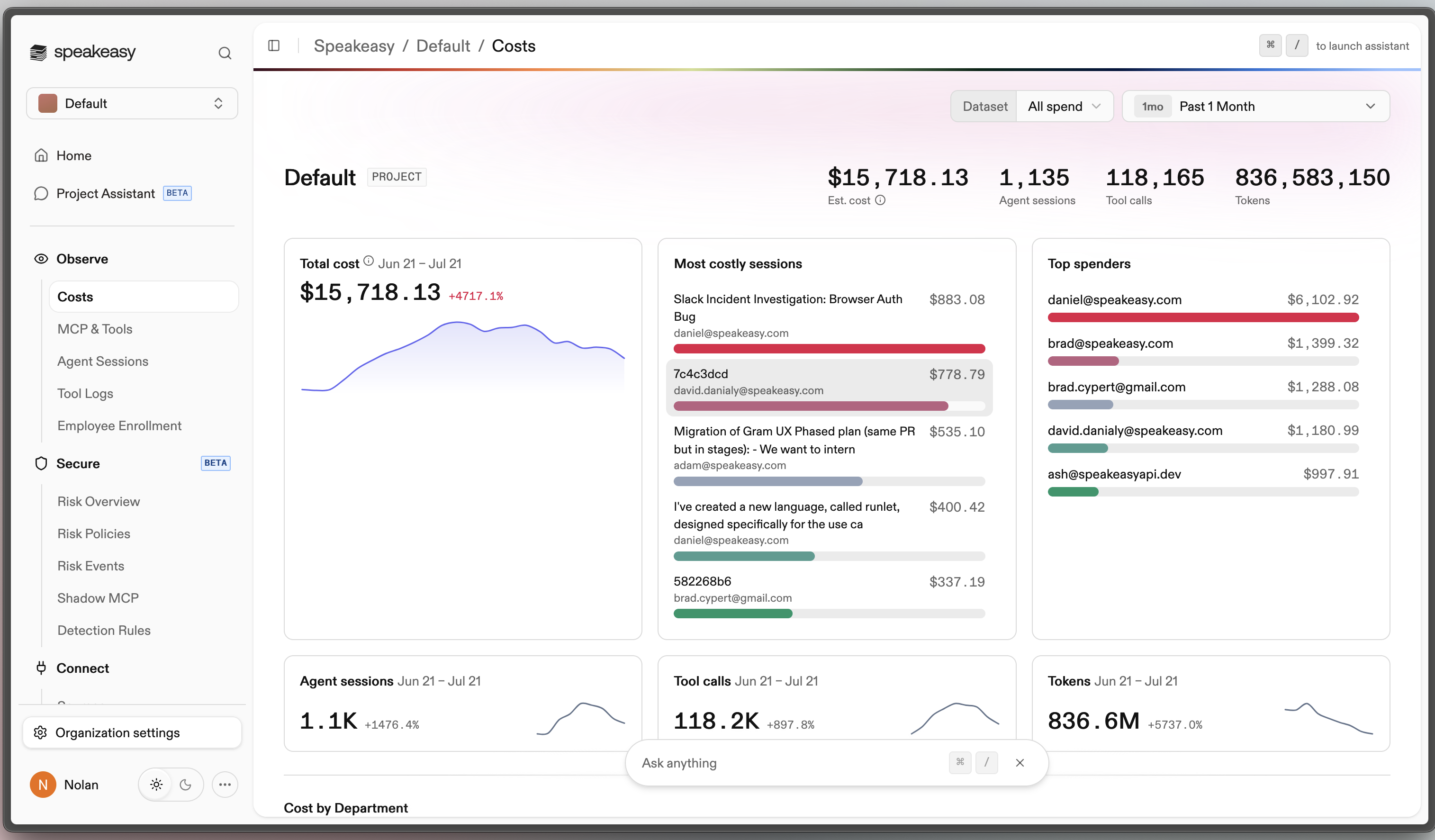
Exclusive: Speakeasy service tracks enterprise-wide AI agent spending
Speakeasy Development Inc. launched an AI cost-management service to track enterprise spending on coding agents like Claude Code, Cursor, and Codex by consolidating token usage data for financial oversight.

AI materials science startup CuspAI raises $450M in funding
UK-based AI materials science startup CuspAI secures $450M Series B funding at a $2.6B valuation, backed by Kleiner Perkins and NEA to support a chemical research consortium with Nvidia and Samsung.
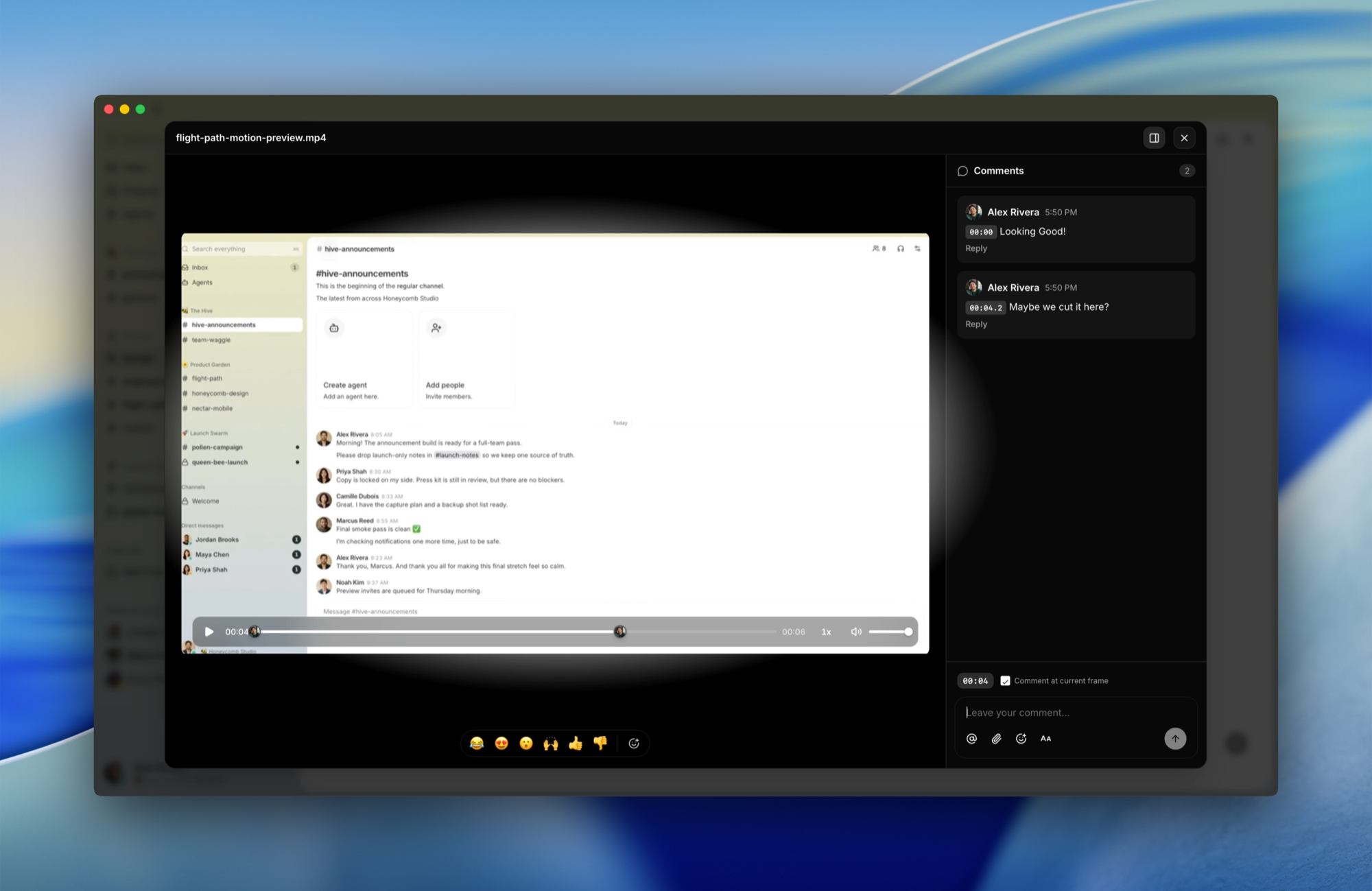
Block launches Buzz, an open-source workspace for humans and AI agents
Block Inc. launched Buzz, a free open-source workspace for human-AI collaborative teams. It unifies chat, code hosting, and workflows while granting AI dedicated accounts.
Site Discovery
Keep exploring the AI ecosystem
After this brief, continue into related tools, models, and rankings to understand whether the story affects your choices.