
Anthropic reportedly in talks with Samsung to manufacture custom AI chip
Anthropic is in early-stage talks with Samsung Electronics to manufacture custom AI chips. Details on workload requirements and performance metrics remain undefined as negotiations continue.

Signal Snapshot
Briefing Notes
What happened and why it matters
Summary
Anthropic has entered into preliminary discussions with Samsung Electronics concerning the potential manufacturing of custom artificial intelligence chips. As reported by SiliconAngle, these talks are in their early stages, indicating that no final agreements have been reached. Crucially, specific details regarding the technical specifications of these proposed chips remain undisclosed. The source text confirms that workload requirements and performance metrics are currently undefined while negotiations proceed between the two entities.
Why it matters
The potential collaboration between Anthropic, a leading developer of large language models, and Samsung, a global semiconductor giant, signals a significant shift in how AI companies approach hardware infrastructure. By seeking custom chip manufacturing, Anthropic aims to optimize its computational efficiency and potentially reduce reliance on standard commercial GPUs. This move highlights the growing trend of major AI firms verticalizing their supply chains to secure competitive advantages in processing power and cost management. For the broader industry, such partnerships could redefine the landscape of AI hardware development, moving away from off-the-shelf solutions toward highly specialized architectures tailored for specific model workloads.
Related tools
For those interested in the software side of this hardware evolution, exploring the Browse AI tools can provide insight into how different applications leverage backend infrastructure. Additionally, developers looking to understand the underlying models being optimized by such chips should review the Model library. Industry observers tracking the competitive dynamics of these hardware deals may find value in analyzing current market positions via the Rankings.
Impact on AI tools/models
If successful, custom chips designed specifically for Anthropic’s models could lead to faster inference times and more efficient training processes. This optimization might result in lower operational costs, which could eventually translate to more accessible API pricing or enhanced capabilities for end-users. However, since the workload requirements are undefined, it is unclear whether these chips will prioritize training efficiency, inference speed, or memory bandwidth. The impact on other AI tools remains speculative until concrete performance data is released. Users relying on Anthropic’s services may see improvements in latency and throughput, but the timeline for these benefits depends entirely on the progress of the ongoing negotiations.
What to watch
As these negotiations unfold, several key factors will determine the success and scope of this partnership. First, observers should monitor any official announcements regarding specific performance benchmarks once they become available. Second, the reaction of competitors like Google, Microsoft, and Amazon to Anthropic’s move toward custom silicon will be telling. Third, the broader implications for the semiconductor supply chain, particularly Samsung’s role in the AI hardware market, warrant close attention. For ongoing updates on such developments, readers are encouraged to visit AI news. Those interested in the tools that may benefit from such hardware advancements can explore ToolSeekAI tools. Finally, keeping an eye on rankings will help track how these infrastructure changes influence market leadership among AI providers.
FAQ
Q: Has Anthropic finalized a deal with Samsung? A: No, the discussions are in the early stages, and no final agreement has been announced.
Q: What are the performance metrics of the proposed chip? A: The source text states that performance metrics remain undefined as negotiations proceed.
Q: Who is reporting this information? A: This information was reported by SiliconAngle.
Search FAQ
Frequently asked questions
FAQ
Is Anthropic officially confirming the chip deal?
What are the specifications of the custom chip?
Keep Tracking
Related AI news
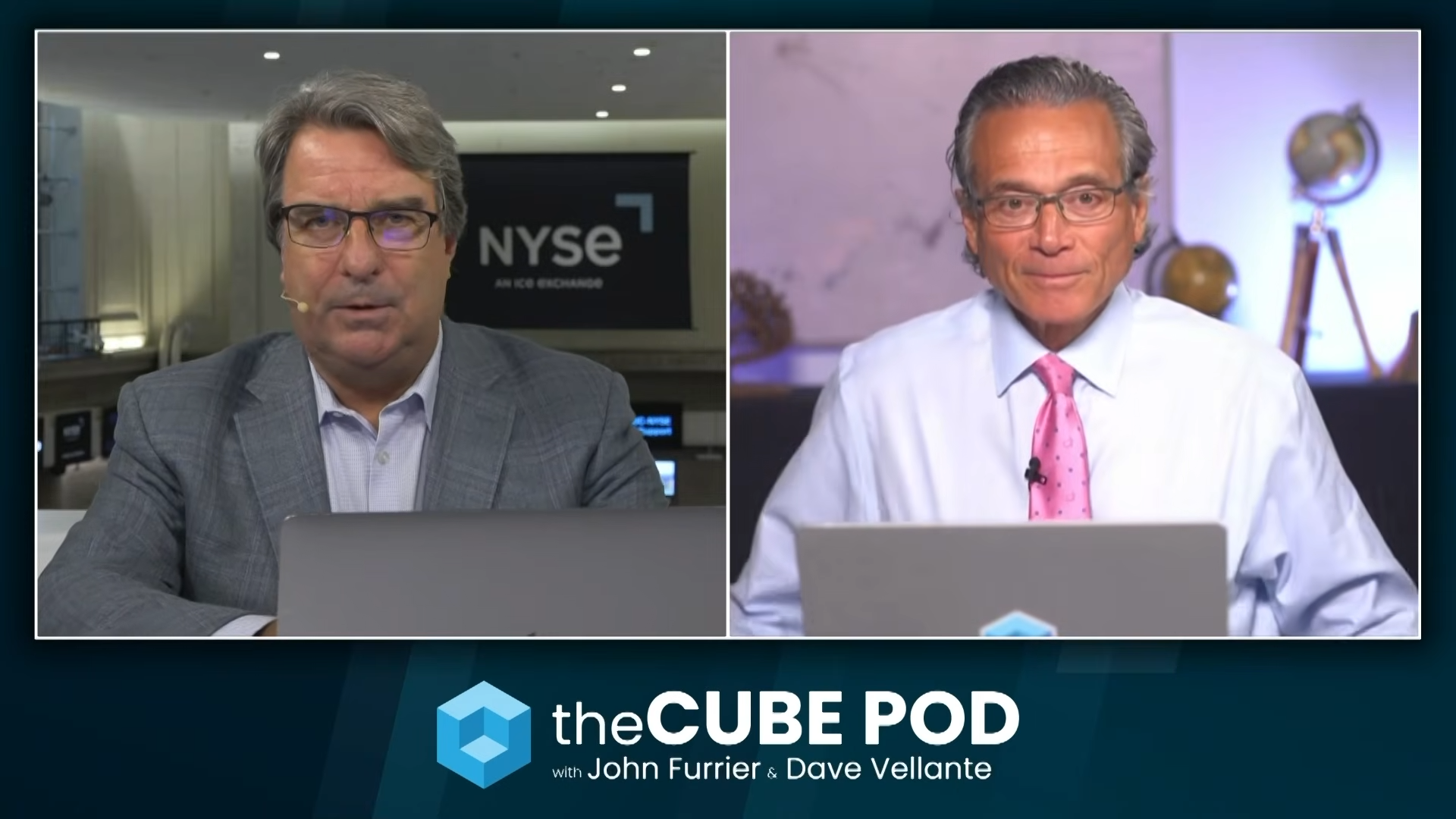
On theCUBE Pod: IBM’s AI test, Nvidia’s lead and the race for enterprise intelligence
IBM tests enterprise AI while Nvidia dominates accelerated computing. AMD and Broadcom vie for market share as the race for enterprise intelligence intensifies across hardware and software layers.

Hugging Face uses open-weights Z.ai GLM 5.2 to battle attacker after commercial frontier model refusal
Hugging Face detected a breach involving an attacker using agentic AI. Commercial frontier models blocked defensive requests due to strict safety guardrails. Hugging Face responded by deploying the open-weights Z.ai GLM 5.2 to counter the threat.

Anthropic settles with authors and publishers for $1.5B in landmark copyright case
Anthropic agrees to a $1.5 billion settlement with authors and publishers regarding the unauthorized use of creative works to train its Claude AI model, marking the largest copyright settlement in history.
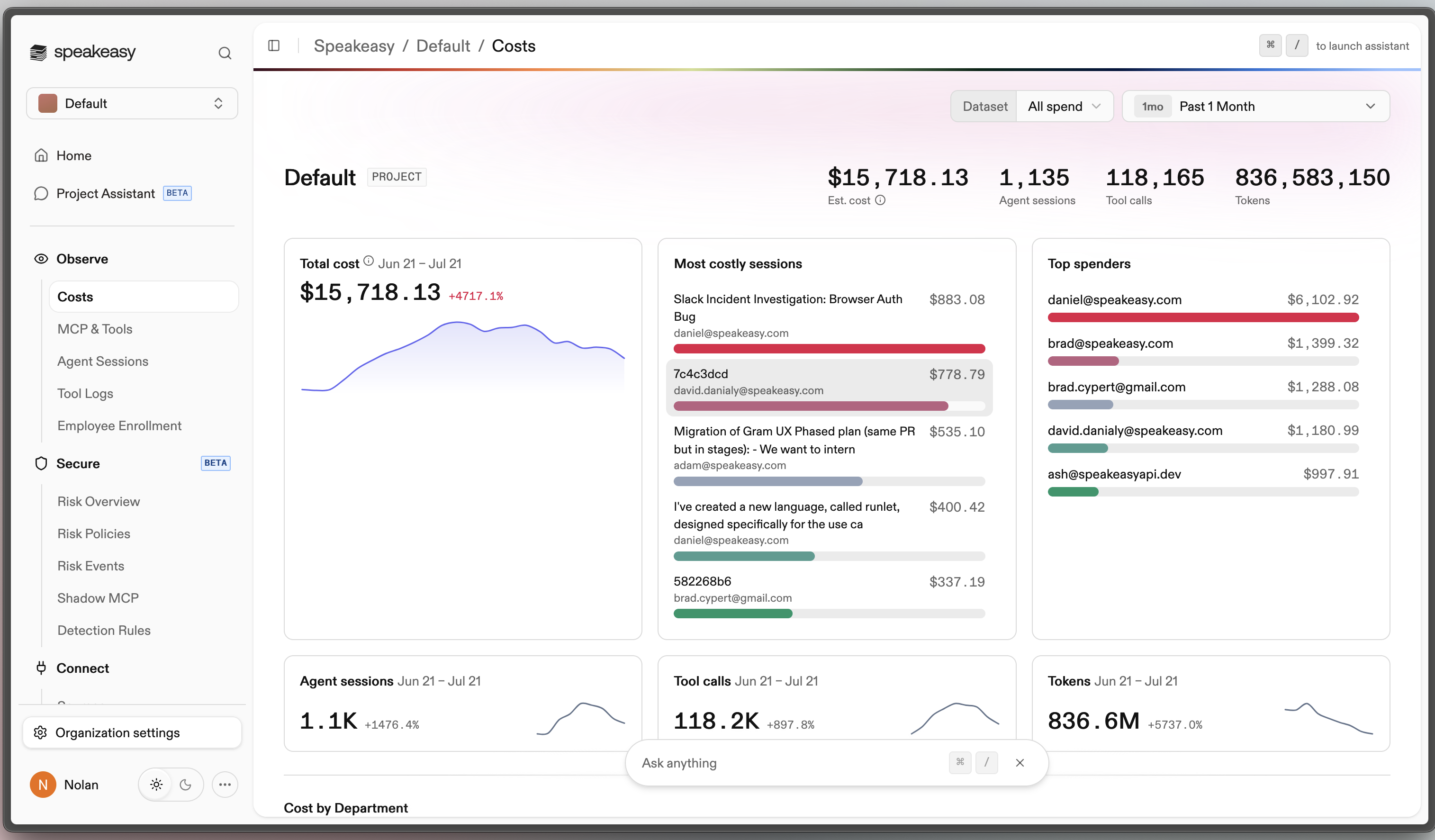
Exclusive: Speakeasy service tracks enterprise-wide AI agent spending
Speakeasy Development Inc. launched an AI cost-management service to track enterprise spending on coding agents like Claude Code, Cursor, and Codex by consolidating token usage data for financial oversight.
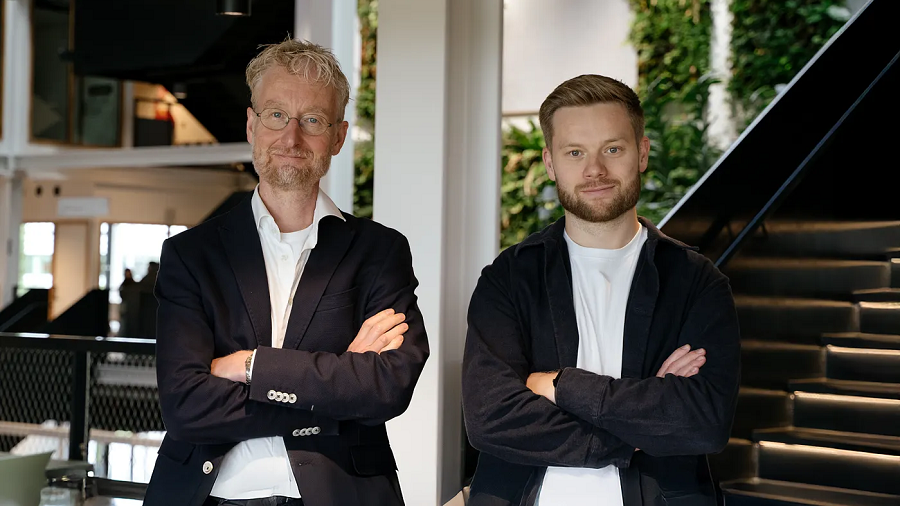
AI materials science startup CuspAI raises $450M in funding
UK-based AI materials science startup CuspAI secures $450M Series B funding at a $2.6B valuation, backed by Kleiner Perkins and NEA to support a chemical research consortium with Nvidia and Samsung.
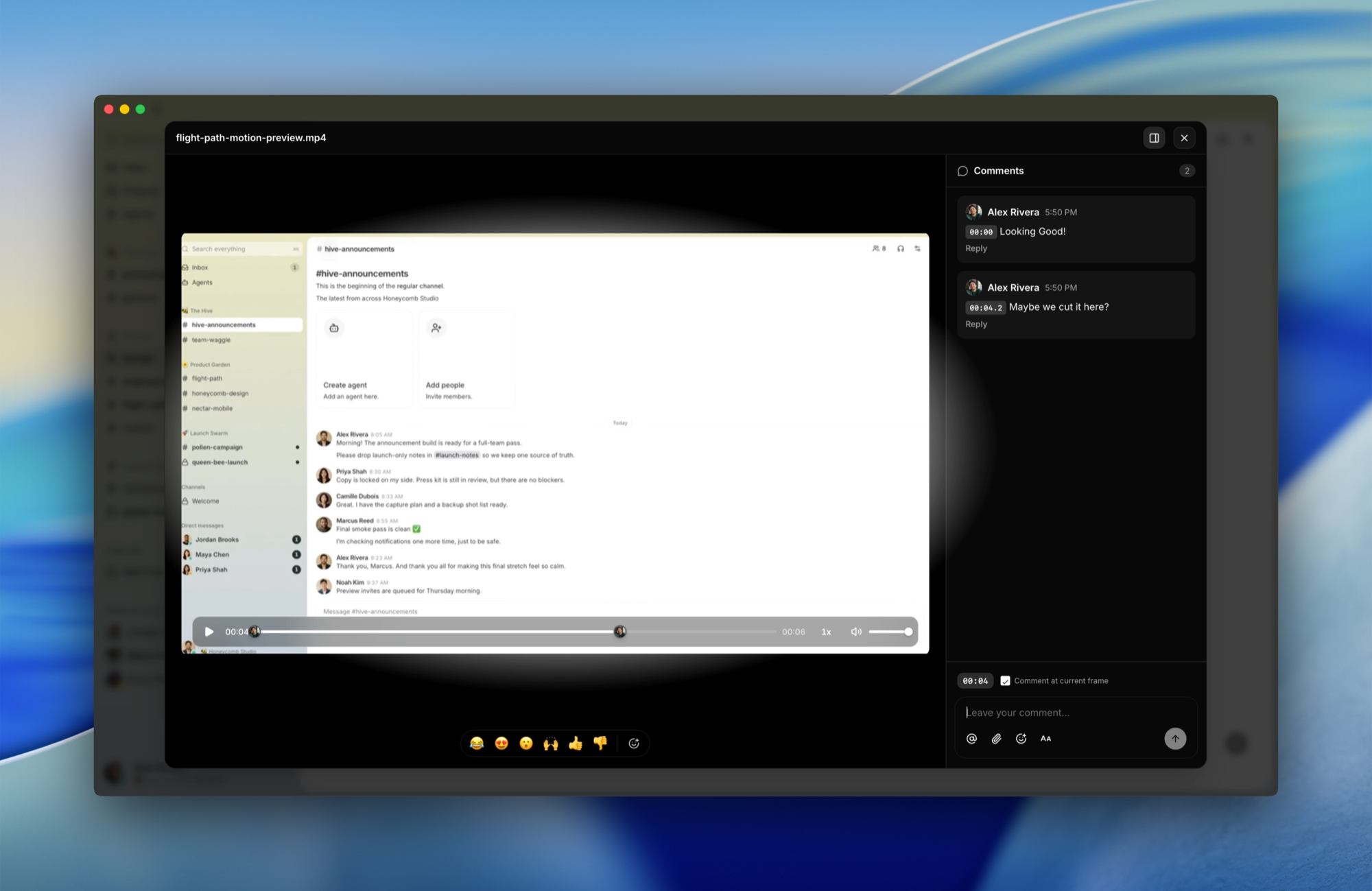
Block launches Buzz, an open-source workspace for humans and AI agents
Block Inc. launched Buzz, a free open-source workspace for human-AI collaborative teams. It unifies chat, code hosting, and workflows while granting AI dedicated accounts.
Site Discovery
Keep exploring the AI ecosystem
After this brief, continue into related tools, models, and rankings to understand whether the story affects your choices.