
AMD’s next reinvention: A new playbook for the AI era
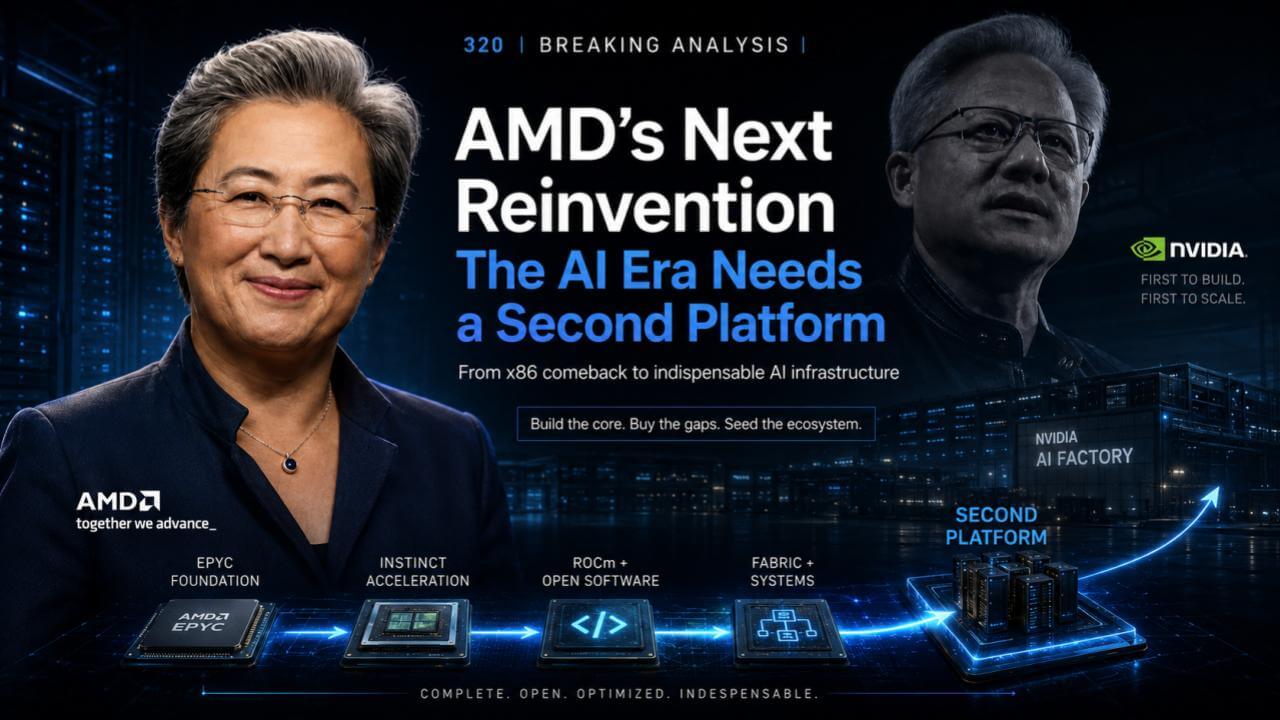
AMD targets AI dominance and Intel market share by leveraging its processor resurgence and executing a new strategic playbook focused on reinvention beyond mere survival.
Signal Snapshot
Briefing Notes
What happened and why it matters
Summary
AMD is pursuing a strategic reinvention designed to move the company beyond survival and into a position of market leadership. By capitalizing on a recent processor resurgence, the company intends to capture significant market share from Intel while establishing a dominant foothold in the artificial intelligence sector. This transition relies heavily on what the company describes as a disciplined execution of a new playbook tailored for the AI era.
Why it matters
The narrative surrounding AMD has shifted from one of competitive catch-up to aggressive expansion. Historically, the processor resurgence served as a foundational recovery, allowing AMD to reclaim ground in the broader semiconductor market. However, the current strategic focus indicates that hardware performance alone is insufficient; the company must translate that momentum into the rapidly evolving AI infrastructure landscape.
Capturing market share from Intel remains a central pillar of this evolution. As computing demands continue to grow, AMD's ability to offer viable alternatives to incumbent processors positions it as a critical player in the hardware market. Furthermore, the explicit goal of establishing a dominant position in the AI era suggests that AMD views machine learning workloads and accelerated computing as the next major battleground for silicon dominance.
For developers and enterprises, this signals a potential shift in hardware availability and optimization priorities. As AMD invests in proving its capabilities in AI, the ecosystem supporting its processors is likely to mature, offering more robust options for running modern workloads.
Related tools
As AMD continues to build its presence in the AI hardware space, users looking to explore compatible software ecosystems can browse AI tools to find products optimized for emerging hardware architectures. Additionally, those interested in the models that drive these systems can visit the model library to review available weights and APIs.
Impact on AI tools/models
AMD's push for dominance in the AI era has direct implications for the software layer that sits atop hardware accelerators. When a major processor vendor successfully captures significant market share, tool developers and model providers typically adjust their support strategies to ensure compatibility and performance across a broader range of devices.
If AMD achieves its goal of establishing a dominant position, AI tool creators may prioritize optimization for AMD processors to meet the demands of a growing user base. This could lead to improved efficiency for AI applications on AMD hardware. Consequently, the models available through platforms like the rankings may increasingly reflect performance benchmarks across diverse hardware configurations, ensuring that users can select the best tools regardless of their underlying processor choice.
What to watch
The success of AMD's new playbook will depend on its ability to maintain disciplined execution while scaling its AI offerings. Industry observers should monitor how quickly AMD translates its processor resurgence into tangible AI market share and whether the company can sustain its competitive pressure against Intel.
For ongoing coverage of these developments, readers can follow the latest updates in AI news. Those interested in comparing hardware and software solutions can explore the full directory of ToolSeekAI tools to see how different vendors are adapting to the changing landscape. Finally, tracking industry shifts through curated rankings provides insight into which companies are successfully navigating the demands of the AI era.
FAQ
What is AMD's primary strategic goal? AMD aims to redefine itself beyond survival by capturing significant market share from Intel and establishing a dominant position in the AI era.
What strategy will AMD use to achieve its goals? The company plans to leverage its recent processor resurgence and rely on disciplined execution to implement its new playbook for the AI era.
Who is AMD targeting for market share? AMD is specifically aiming to capture significant market share from Intel as part of its broader reinvention strategy.
Search FAQ
Frequently asked questions
FAQ
What is AMD's primary strategic goal?
What strategy will AMD use to achieve its goals?
Who is AMD targeting for market share?
Keep Tracking
Related AI news

On theCUBE Pod: IBM’s AI test, Nvidia’s lead and the race for enterprise intelligence
IBM tests enterprise AI while Nvidia dominates accelerated computing. AMD and Broadcom vie for market share as the race for enterprise intelligence intensifies across hardware and software layers.

Hugging Face uses open-weights Z.ai GLM 5.2 to battle attacker after commercial frontier model refusal
Hugging Face detected a breach involving an attacker using agentic AI. Commercial frontier models blocked defensive requests due to strict safety guardrails. Hugging Face responded by deploying the open-weights Z.ai GLM 5.2 to counter the threat.

Anthropic settles with authors and publishers for $1.5B in landmark copyright case
Anthropic agrees to a $1.5 billion settlement with authors and publishers regarding the unauthorized use of creative works to train its Claude AI model, marking the largest copyright settlement in history.

Exclusive: Speakeasy service tracks enterprise-wide AI agent spending
Speakeasy Development Inc. launched an AI cost-management service to track enterprise spending on coding agents like Claude Code, Cursor, and Codex by consolidating token usage data for financial oversight.

AI materials science startup CuspAI raises $450M in funding
UK-based AI materials science startup CuspAI secures $450M Series B funding at a $2.6B valuation, backed by Kleiner Perkins and NEA to support a chemical research consortium with Nvidia and Samsung.
Block launches Buzz, an open-source workspace for humans and AI agents
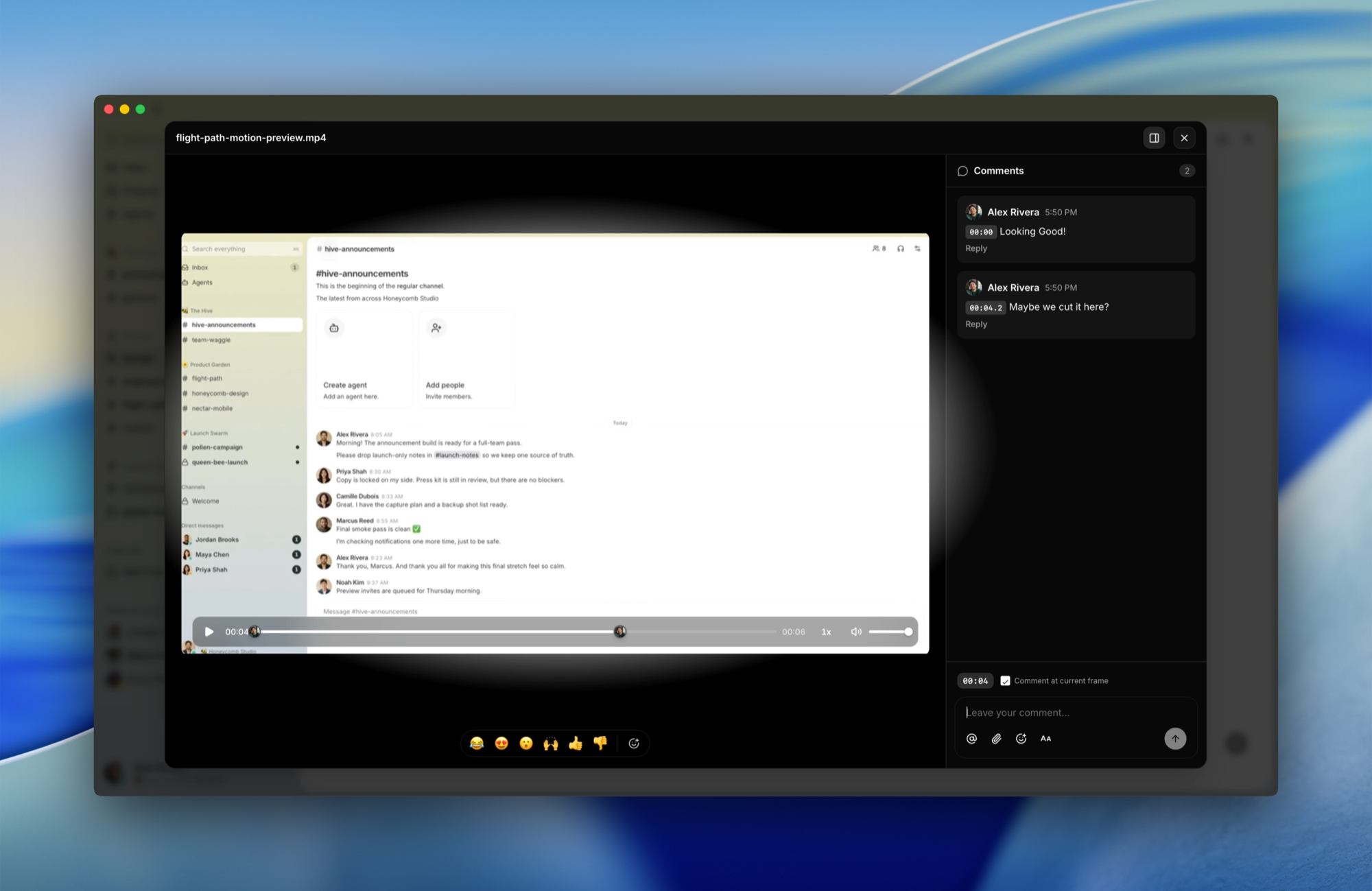
Block Inc. launched Buzz, a free open-source workspace for human-AI collaborative teams. It unifies chat, code hosting, and workflows while granting AI dedicated accounts.
Site Discovery
Keep exploring the AI ecosystem
After this brief, continue into related tools, models, and rankings to understand whether the story affects your choices.