
Alex Karp, frontier models and the real fight for Enterprise AI
Palantir CEO Alex Karp warns that frontier AI providers may extract proprietary enterprise data, raising critical concerns about data sovereignty and competitive advantage in corporate AI adoption.

Signal Snapshot
Briefing Notes
What happened and why it matters
Summary
Palantir Technologies CEO Alex Karp has issued a stark warning regarding the current trajectory of artificial intelligence adoption within the enterprise sector. In recent commentary, Karp highlighted a significant risk associated with "frontier" AI providers: the potential extraction of proprietary enterprise data. This concern strikes at the heart of modern corporate strategy, where the integration of advanced AI models is often balanced against the need to protect sensitive intellectual property and maintain competitive advantages. The statement has intensified existing debates surrounding data sovereignty, forcing organizations to critically evaluate how they interact with third-party AI services.
Why it matters
The implications of Karp’s warning extend far beyond Palantir’s immediate product offerings. As enterprises increasingly rely on large language models and generative AI tools to drive innovation, efficiency, and decision-making, the security of their data becomes paramount. Frontier AI providers, which offer state-of-the-art models, often require substantial amounts of data for fine-tuning, inference, or even implicit learning through usage patterns. If proprietary data is inadvertently or intentionally extracted, companies risk exposing trade secrets, customer information, and strategic plans to competitors or public domains.
This issue challenges the fundamental trust model of cloud-based AI services. Corporations must now navigate a complex landscape where the benefits of cutting-edge AI capabilities conflict with the imperative of data privacy and regulatory compliance. The debate over data sovereignty is no longer just a technical consideration but a strategic business risk that can impact market position and legal standing.
Related tools
For organizations seeking to mitigate these risks, exploring specialized enterprise AI solutions is crucial. Professionals can browse the latest Browse AI tools designed for secure, on-premise, or private cloud deployments. Additionally, reviewing the Model library allows developers to assess open-weight alternatives that offer greater control over data handling. Staying updated with industry Rankings helps identify vendors that prioritize data sovereignty and transparent security practices.
Impact on AI tools/models
Karp’s comments are likely to accelerate the demand for localized and private AI models. Enterprises may shift away from purely API-based interactions with frontier providers toward hybrid or fully on-premise solutions where data never leaves the corporate firewall. This trend could benefit open-source models and specialized enterprise AI platforms that emphasize security and data ownership. Conversely, it may pressure frontier providers to enhance their transparency regarding data usage policies and offer more robust isolation mechanisms for enterprise clients.
What to watch
As the industry responds to these concerns, several key developments will shape the future of enterprise AI:
- Regulatory Evolution: Governments may introduce stricter regulations regarding data residency and AI training practices, affecting how global corporations deploy AI tools.
- Vendor Transparency: Expect increased scrutiny of AI providers’ data handling policies, with a rise in certifications and audits focused on data sovereignty.
- Market Shifts: Companies prioritizing data security may gain a competitive edge, influencing procurement decisions across industries.
To stay informed on these evolving dynamics, readers are encouraged to explore our curated AI news section for ongoing coverage of enterprise AI trends. For a deeper dive into specific technologies, visit our ToolSeekAI tools directory. Finally, monitor the rankings to see how security-focused platforms are gaining traction among enterprise users.
FAQ
Q: What is the main concern raised by Alex Karp? A: Karp warns that frontier AI providers might extract proprietary enterprise data, threatening competitive advantage and data sovereignty.
Q: How does this affect enterprise AI adoption? A: It forces companies to re-evaluate their reliance on third-party AI services, prioritizing data security and potentially shifting towards private or on-premise solutions.
Q: Where can I find secure AI tools? A: You can browse secure and enterprise-focused options in our Browse AI tools section.
Search FAQ
Frequently asked questions
FAQ
What is the primary concern raised by Palantir regarding frontier AI?
How does this issue affect enterprise AI adoption?
Keep Tracking
Related AI news

On theCUBE Pod: IBM’s AI test, Nvidia’s lead and the race for enterprise intelligence
IBM tests enterprise AI while Nvidia dominates accelerated computing. AMD and Broadcom vie for market share as the race for enterprise intelligence intensifies across hardware and software layers.

Hugging Face uses open-weights Z.ai GLM 5.2 to battle attacker after commercial frontier model refusal
Hugging Face detected a breach involving an attacker using agentic AI. Commercial frontier models blocked defensive requests due to strict safety guardrails. Hugging Face responded by deploying the open-weights Z.ai GLM 5.2 to counter the threat.

Anthropic settles with authors and publishers for $1.5B in landmark copyright case
Anthropic agrees to a $1.5 billion settlement with authors and publishers regarding the unauthorized use of creative works to train its Claude AI model, marking the largest copyright settlement in history.
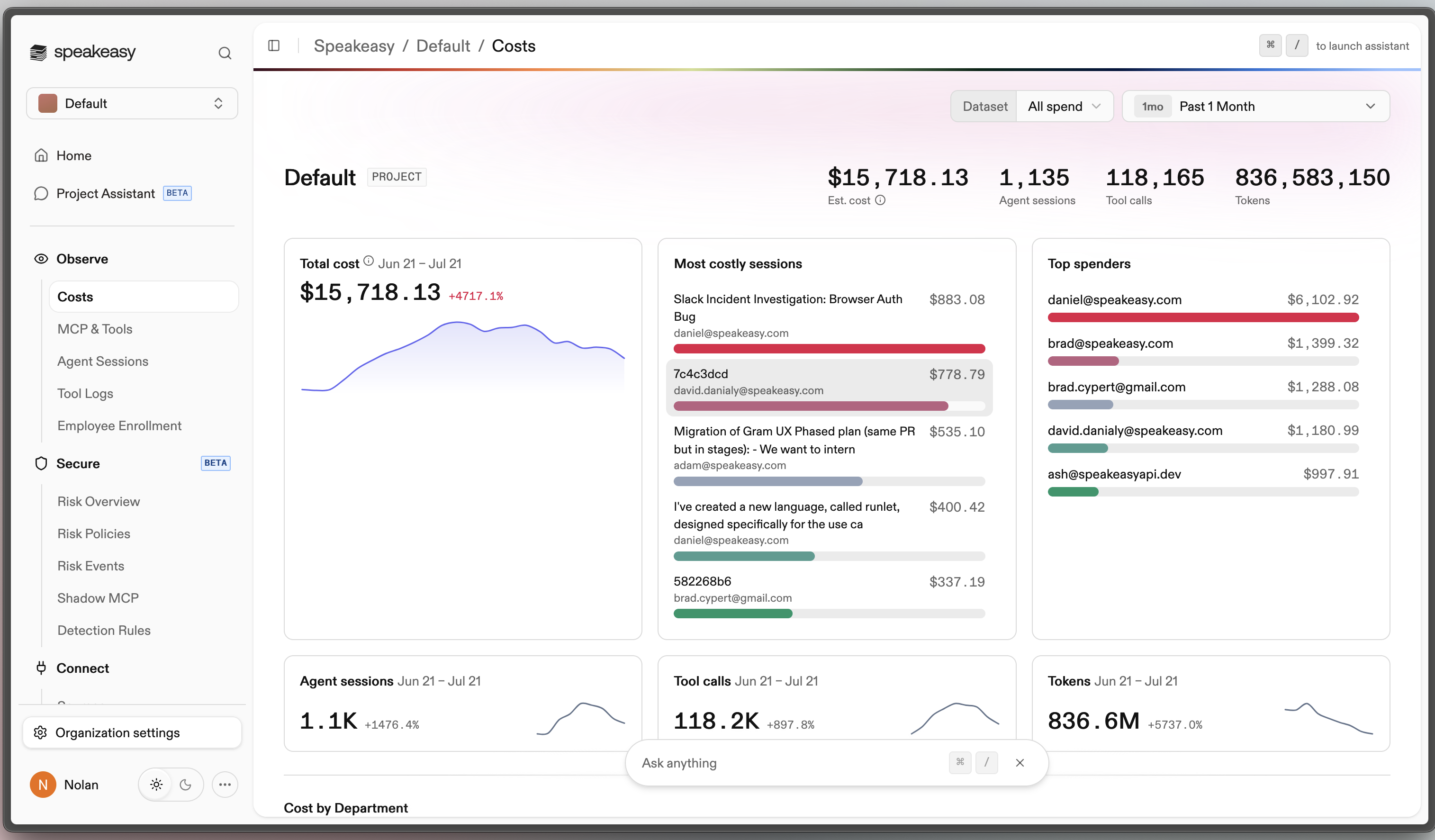
Exclusive: Speakeasy service tracks enterprise-wide AI agent spending
Speakeasy Development Inc. launched an AI cost-management service to track enterprise spending on coding agents like Claude Code, Cursor, and Codex by consolidating token usage data for financial oversight.

AI materials science startup CuspAI raises $450M in funding
UK-based AI materials science startup CuspAI secures $450M Series B funding at a $2.6B valuation, backed by Kleiner Perkins and NEA to support a chemical research consortium with Nvidia and Samsung.

Block launches Buzz, an open-source workspace for humans and AI agents
Block Inc. launched Buzz, a free open-source workspace for human-AI collaborative teams. It unifies chat, code hosting, and workflows while granting AI dedicated accounts.
Site Discovery
Keep exploring the AI ecosystem
After this brief, continue into related tools, models, and rankings to understand whether the story affects your choices.