
AI prompts a memory-chip boom — and electronics inflation. Get used to it.
AI demand drives memory-chip boom, raising electronics prices. Micron's strong quarter and SK hynix's U.S. IPO highlight the trend.

Signal Snapshot
Briefing Notes
What happened and why it matters
Summary
AI demand is fueling a memory-chip boom, with Micron posting a monster quarter and SK hynix filing for a U.S. IPO. However, this surge is also driving up electronics prices, leading to inflation across devices.
Why it matters
The memory-chip boom underscores AI's growing hardware demands, but the resulting price hikes could affect consumer electronics and AI tool accessibility. Investors are wary, yet chip stocks remain volatile.
Related tools
Impact on AI tools/models
Higher memory costs may increase prices for AI hardware, potentially slowing adoption. However, companies like Micron and SK hynix are investing in production, which could stabilize supply long-term.
What to watch
- AI news for updates on chip market trends.
- Tool rankings to see how AI tools are affected.
- AI hardware tools for emerging solutions.
FAQ
Q: What caused the memory-chip boom? A: The boom is driven by AI demand, according to the source.
Q: Which companies are highlighted in the article? A: Micron and SK hynix are mentioned; Micron had a strong quarter and SK hynix filed for a U.S. IPO.
Q: What is the downside of the memory-chip boom? A: Most electronic devices are becoming more expensive due to electronics inflation.
Search FAQ
Frequently asked questions
FAQ
What caused the memory-chip boom?
Which companies are highlighted in the article?
What is the downside of the memory-chip boom?
Keep Tracking
Related AI news

On theCUBE Pod: IBM’s AI test, Nvidia’s lead and the race for enterprise intelligence
IBM tests enterprise AI while Nvidia dominates accelerated computing. AMD and Broadcom vie for market share as the race for enterprise intelligence intensifies across hardware and software layers.

Hugging Face uses open-weights Z.ai GLM 5.2 to battle attacker after commercial frontier model refusal
Hugging Face detected a breach involving an attacker using agentic AI. Commercial frontier models blocked defensive requests due to strict safety guardrails. Hugging Face responded by deploying the open-weights Z.ai GLM 5.2 to counter the threat.

Anthropic settles with authors and publishers for $1.5B in landmark copyright case
Anthropic agrees to a $1.5 billion settlement with authors and publishers regarding the unauthorized use of creative works to train its Claude AI model, marking the largest copyright settlement in history.
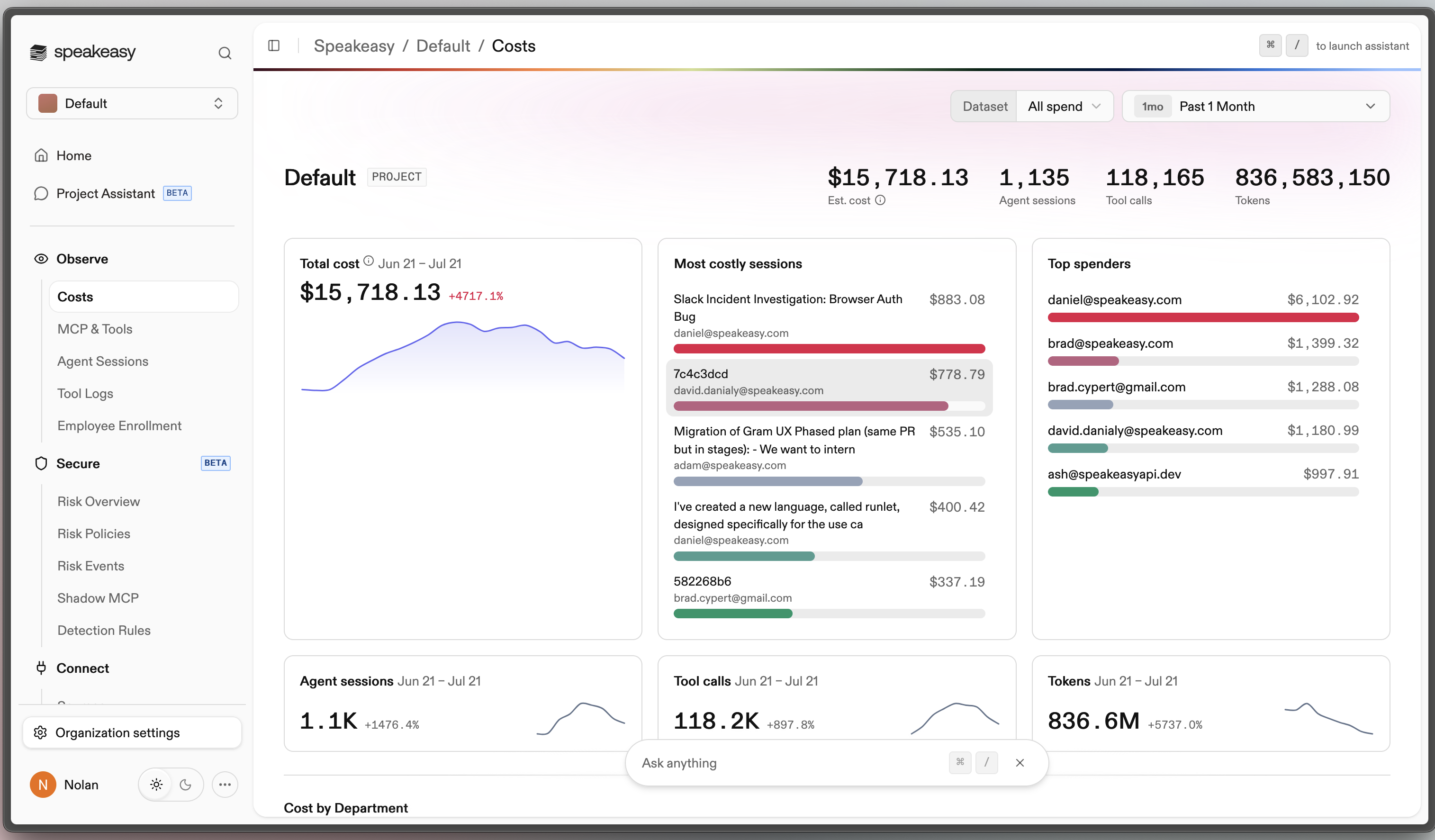
Exclusive: Speakeasy service tracks enterprise-wide AI agent spending
Speakeasy Development Inc. launched an AI cost-management service to track enterprise spending on coding agents like Claude Code, Cursor, and Codex by consolidating token usage data for financial oversight.

AI materials science startup CuspAI raises $450M in funding
UK-based AI materials science startup CuspAI secures $450M Series B funding at a $2.6B valuation, backed by Kleiner Perkins and NEA to support a chemical research consortium with Nvidia and Samsung.

Block launches Buzz, an open-source workspace for humans and AI agents
Block Inc. launched Buzz, a free open-source workspace for human-AI collaborative teams. It unifies chat, code hosting, and workflows while granting AI dedicated accounts.
Site Discovery
Keep exploring the AI ecosystem
After this brief, continue into related tools, models, and rankings to understand whether the story affects your choices.