
AI model mania and the new chip gold rush
The AI model race accelerates with rapid releases from OpenAI, Meta, and others, sparking a new chip demand surge as Microsoft prepares to diversify beyond OpenAI.

Signal Snapshot
Briefing Notes
What happened and why it matters
Summary
The artificial intelligence sector is experiencing a renewed surge in activity, characterized by what can only be described as "model mania." Despite expectations that the pace of innovation might stabilize, the industry has accelerated double-time. This week alone witnessed a significant influx of new models and associated services from major tech players including OpenAI, which released updates twice, Meta, also doubling its output, alongside contributions from SpaceXAI, Anthropic, and numerous Chinese technology firms. Concurrently, Microsoft, which previously launched a flurry of seven models last month, is signaling a strategic shift to reduce its reliance on OpenAI. This intense competition for model superiority is directly fueling a "new chip gold rush," highlighting the critical dependency of software advancements on underlying hardware capabilities.
Why it matters
The velocity of these releases indicates that the AI arms race is far from over; rather, it is entering a phase of hyper-competition. For developers and enterprises, this means the landscape of available tools is changing faster than ever before. The involvement of diverse players, from established giants like Meta and Microsoft to specialized entities like Anthropic and SpaceXAI, suggests that AI is becoming democratized yet simultaneously fragmented. Furthermore, Microsoft's potential move away from exclusive partnerships with OpenAI signals a broader industry trend toward diversification and self-reliance in AI infrastructure. This shift has profound implications for market dynamics, pricing, and the availability of cutting-edge models for commercial use.
Related tools
While specific tool slugs are not detailed in the source, the narrative heavily implies the need for robust infrastructure management and model comparison platforms. Users interested in tracking these rapid developments should explore general AI tools directories to find emerging solutions that support multi-model workflows. Additionally, staying updated on the latest hardware requirements is crucial, which can often be found in discussions surrounding AI news.
Impact on AI tools/models
The sheer volume of new models released by OpenAI, Meta, and others creates a crowded marketplace where differentiation becomes key. For end-users, this offers more choices but also increases the complexity of selection. The "chip gold rush" aspect underscores that software innovation is bottlenecked by hardware supply. As companies like Microsoft seek to decouple from single vendors, we may see a rise in open-weight models and alternative inference engines that are less dependent on specific proprietary hardware ecosystems. This could lead to more competitive pricing and greater accessibility for smaller AI startups.
What to watch
As the industry navigates this period of intense growth, several factors will define the next quarter. First, monitor how Microsoft's diversification strategy impacts the broader market share of OpenAI. Second, track the supply chain responses to the increased demand for AI chips, as this will dictate the speed of future deployments. Finally, observe the emergence of new capabilities from the Chinese tech sector, which is rapidly closing the gap in foundational models. For ongoing coverage of these shifts, readers are encouraged to check the latest rankings of AI providers and visit our tools section for practical applications of these new models.
FAQ
Q: Which companies released new AI models this week? A: OpenAI, Meta, SpaceXAI, Anthropic, and several Chinese companies released new models and services.
Q: What is Microsoft doing regarding its AI partnerships? A: Microsoft intends to reduce its reliance on OpenAI following a series of model releases last month.
Q: How is the AI model race affecting hardware? A: The rapid release of models is driving a "new chip gold rush," significantly increasing demand for AI hardware.**
Keep Tracking
Related AI news

On theCUBE Pod: IBM’s AI test, Nvidia’s lead and the race for enterprise intelligence
IBM tests enterprise AI while Nvidia dominates accelerated computing. AMD and Broadcom vie for market share as the race for enterprise intelligence intensifies across hardware and software layers.

Hugging Face uses open-weights Z.ai GLM 5.2 to battle attacker after commercial frontier model refusal
Hugging Face detected a breach involving an attacker using agentic AI. Commercial frontier models blocked defensive requests due to strict safety guardrails. Hugging Face responded by deploying the open-weights Z.ai GLM 5.2 to counter the threat.

Anthropic settles with authors and publishers for $1.5B in landmark copyright case
Anthropic agrees to a $1.5 billion settlement with authors and publishers regarding the unauthorized use of creative works to train its Claude AI model, marking the largest copyright settlement in history.
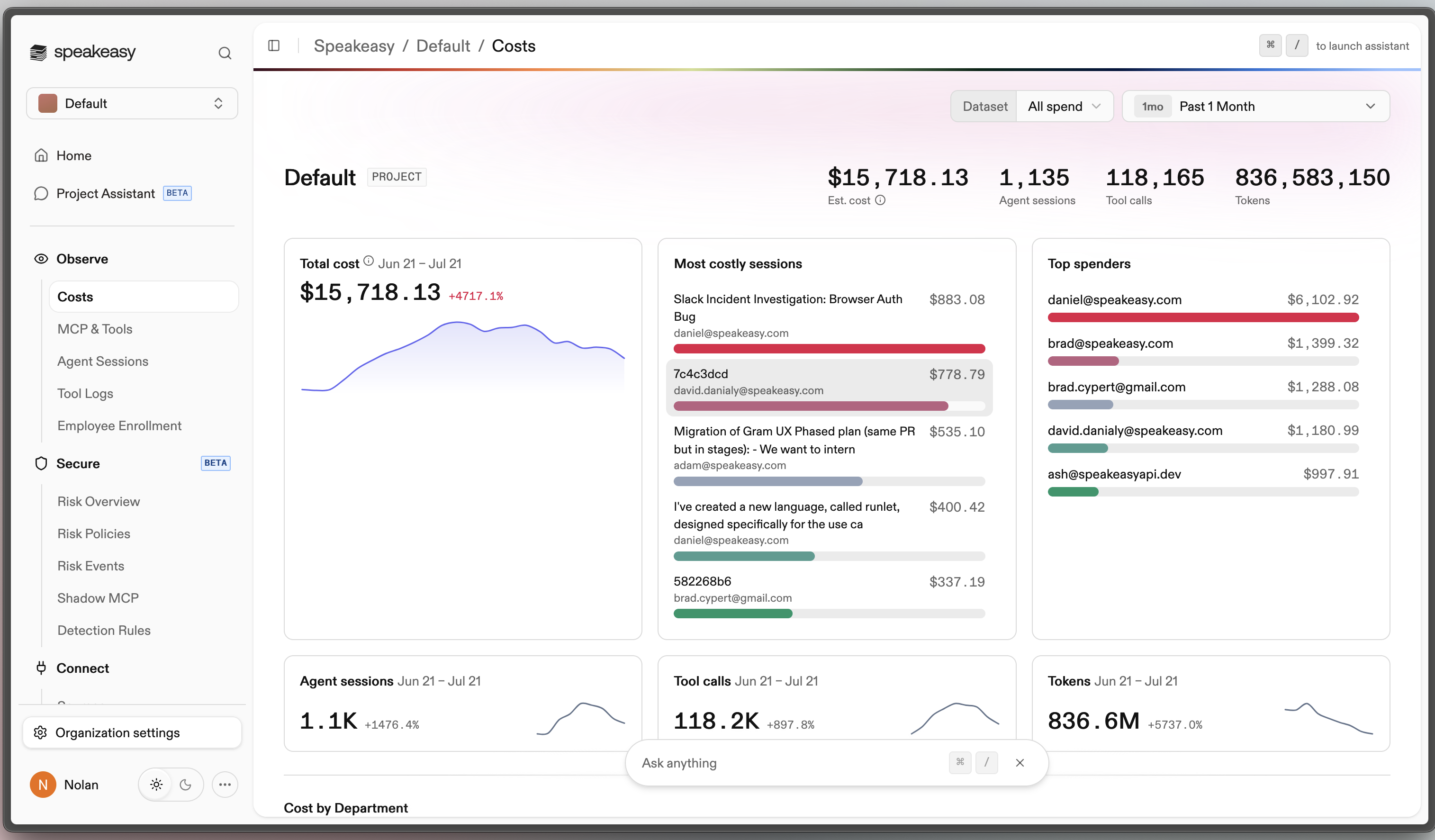
Exclusive: Speakeasy service tracks enterprise-wide AI agent spending
Speakeasy Development Inc. launched an AI cost-management service to track enterprise spending on coding agents like Claude Code, Cursor, and Codex by consolidating token usage data for financial oversight.

AI materials science startup CuspAI raises $450M in funding
UK-based AI materials science startup CuspAI secures $450M Series B funding at a $2.6B valuation, backed by Kleiner Perkins and NEA to support a chemical research consortium with Nvidia and Samsung.
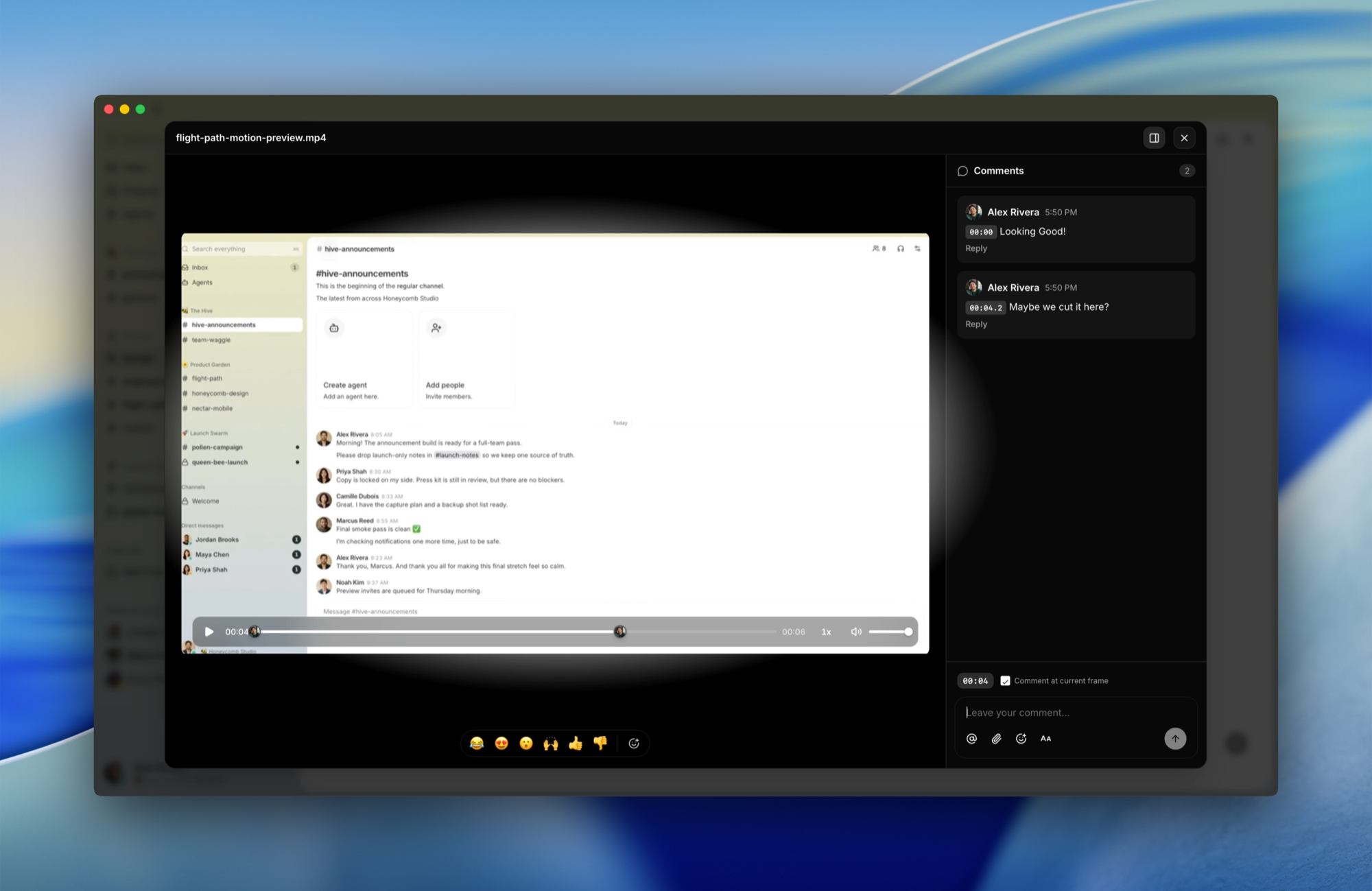
Block launches Buzz, an open-source workspace for humans and AI agents
Block Inc. launched Buzz, a free open-source workspace for human-AI collaborative teams. It unifies chat, code hosting, and workflows while granting AI dedicated accounts.
Site Discovery
Keep exploring the AI ecosystem
After this brief, continue into related tools, models, and rankings to understand whether the story affects your choices.