
15 examples of real-world challenges: Insights from the AWS Summit Washington, D.C. event
AWS Summit DC highlights shift from AI pilots to real-world agentic deployments, emphasizing AI-native engineering, security, and measurable business outcomes for enterprise adoption.

Signal Snapshot
Briefing Notes
What happened and why it matters
Summary
The recent AWS Summit in Washington, D.C., marked a significant pivot in the enterprise AI narrative. As highlighted in coverage by SiliconANGLE, organizations are rapidly transitioning away from experimental proofs of concept (PoCs) toward operationalizing generative and agentic artificial intelligence. The core message from the event is that success is no longer defined by technological novelty alone but by the ability to deliver measurable business outcomes. This transition requires a robust combination of AI-native engineering practices and embedded domain expertise, ensuring that enterprises can scale efficiently while maintaining rigorous security standards and long-term self-sufficiency.
Why it matters
The shift from "pilot purgatory" to production-grade AI is the defining challenge of the current technology landscape. Many enterprises have spent the last year experimenting with large language models without seeing a clear return on investment or integration into critical workflows. The insights from the AWS Summit suggest that the barrier to entry is no longer access to models, but rather the engineering discipline required to deploy them safely and effectively.
Agentic AI—systems that can autonomously plan and execute tasks—represents the next frontier. However, deploying these agents introduces complex risks regarding security, reliability, and governance. The emphasis on "AI-native engineering" implies that traditional software development lifecycles are insufficient for this new paradigm. Companies must adopt new methodologies that prioritize speed and innovation without compromising the security posture that enterprises rely on. This evolution is critical because it moves AI from a cost center or experimental lab project to a core driver of business value.
Related tools
While specific third-party tool names were not detailed in the source snippet, the discussion centers on the infrastructure and methodologies supported by major cloud providers like AWS. Relevant categories include:
Impact on AI tools/models
The demand for "agentic" capabilities is reshaping the development roadmap for AI models and tools. Models are no longer judged solely on benchmark accuracy but on their ability to function reliably within autonomous workflows. This places a higher premium on tools that offer observability, guardrails, and seamless integration with existing enterprise systems. For model developers, this means prioritizing stability and security features alongside raw performance. For tool builders, there is a growing need for solutions that bridge the gap between raw model output and actionable, secure business processes.
What to watch
As the industry moves forward, several key areas will define the next phase of AI adoption:
- Security and Governance: With agentic AI taking autonomous actions, robust security frameworks will become non-negotiable. Watch for new standards in AI risk management and compliance tools.
- AI-Native Engineering Practices: Organizations that fail to adapt their engineering cultures to support rapid, safe AI deployment will fall behind. Look for trends in DevOps for AI (MLOps/LLMOps) and automated testing for generative models.
- Measurable ROI: The era of vague "AI transformation" stories is ending. Stakeholders will demand concrete metrics linking AI deployments to revenue growth or cost reduction.
For further updates on industry trends and tool evaluations, explore our coverage on AI news and check out the latest rankings of emerging technologies.
FAQ
Q: What is the main takeaway from the AWS Summit regarding AI? A: The primary focus is shifting from experimental pilots to real-world, agentic AI deployments that deliver measurable business outcomes through AI-native engineering.
Q: Why is security emphasized in the context of agentic AI? A: As AI agents gain autonomy to execute tasks, maintaining security and governance becomes critical to prevent risks and ensure long-term organizational self-sufficiency.
Q: What does "AI-native engineering" mean in this context? A: It refers to adopting new development practices and methodologies specifically designed to handle the unique challenges of building, deploying, and maintaining generative and agentic AI systems at scale.
Keep Tracking
Related AI news

On theCUBE Pod: IBM’s AI test, Nvidia’s lead and the race for enterprise intelligence
IBM tests enterprise AI while Nvidia dominates accelerated computing. AMD and Broadcom vie for market share as the race for enterprise intelligence intensifies across hardware and software layers.

Hugging Face uses open-weights Z.ai GLM 5.2 to battle attacker after commercial frontier model refusal
Hugging Face detected a breach involving an attacker using agentic AI. Commercial frontier models blocked defensive requests due to strict safety guardrails. Hugging Face responded by deploying the open-weights Z.ai GLM 5.2 to counter the threat.

Anthropic settles with authors and publishers for $1.5B in landmark copyright case
Anthropic agrees to a $1.5 billion settlement with authors and publishers regarding the unauthorized use of creative works to train its Claude AI model, marking the largest copyright settlement in history.
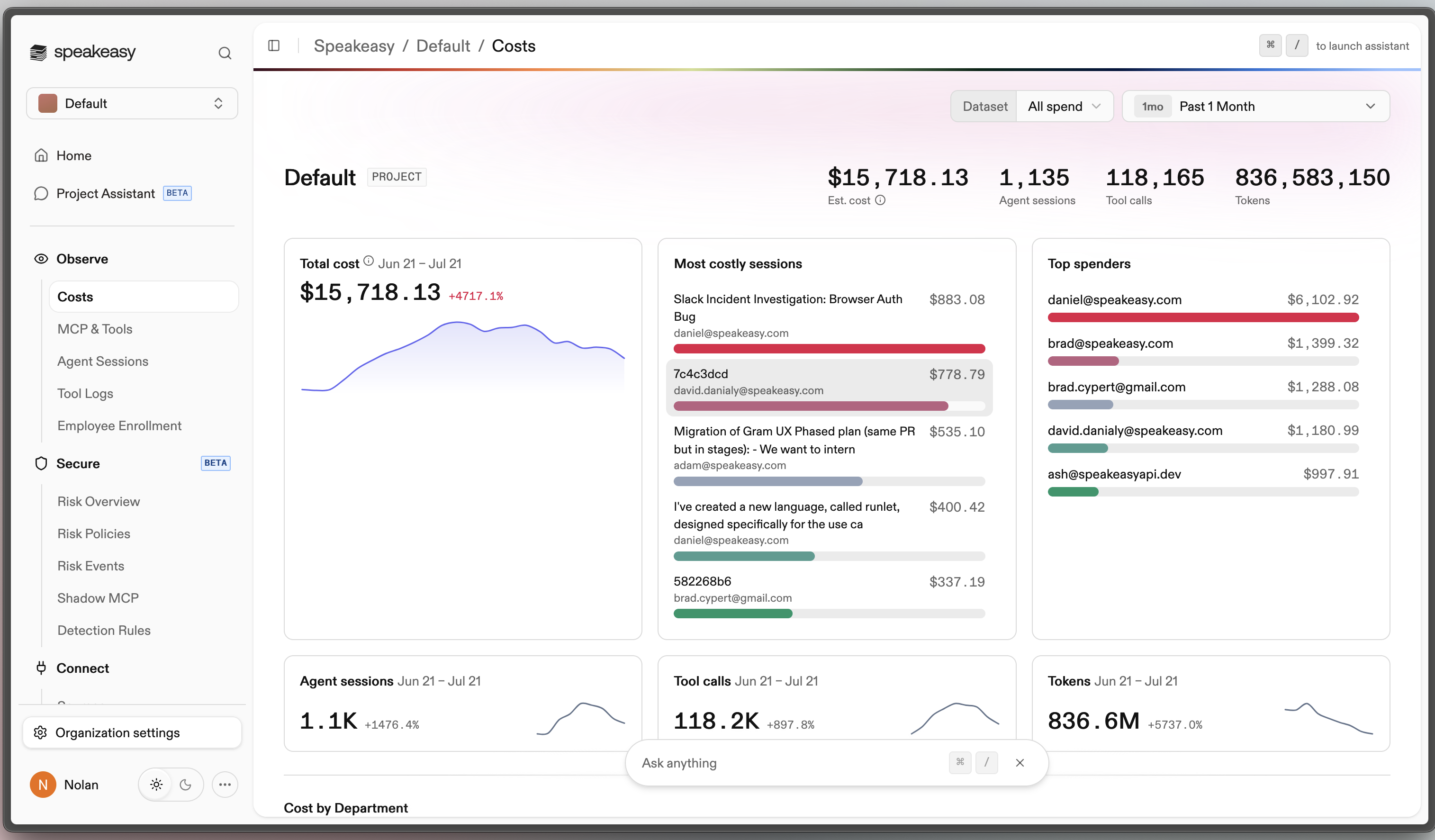
Exclusive: Speakeasy service tracks enterprise-wide AI agent spending
Speakeasy Development Inc. launched an AI cost-management service to track enterprise spending on coding agents like Claude Code, Cursor, and Codex by consolidating token usage data for financial oversight.

AI materials science startup CuspAI raises $450M in funding
UK-based AI materials science startup CuspAI secures $450M Series B funding at a $2.6B valuation, backed by Kleiner Perkins and NEA to support a chemical research consortium with Nvidia and Samsung.
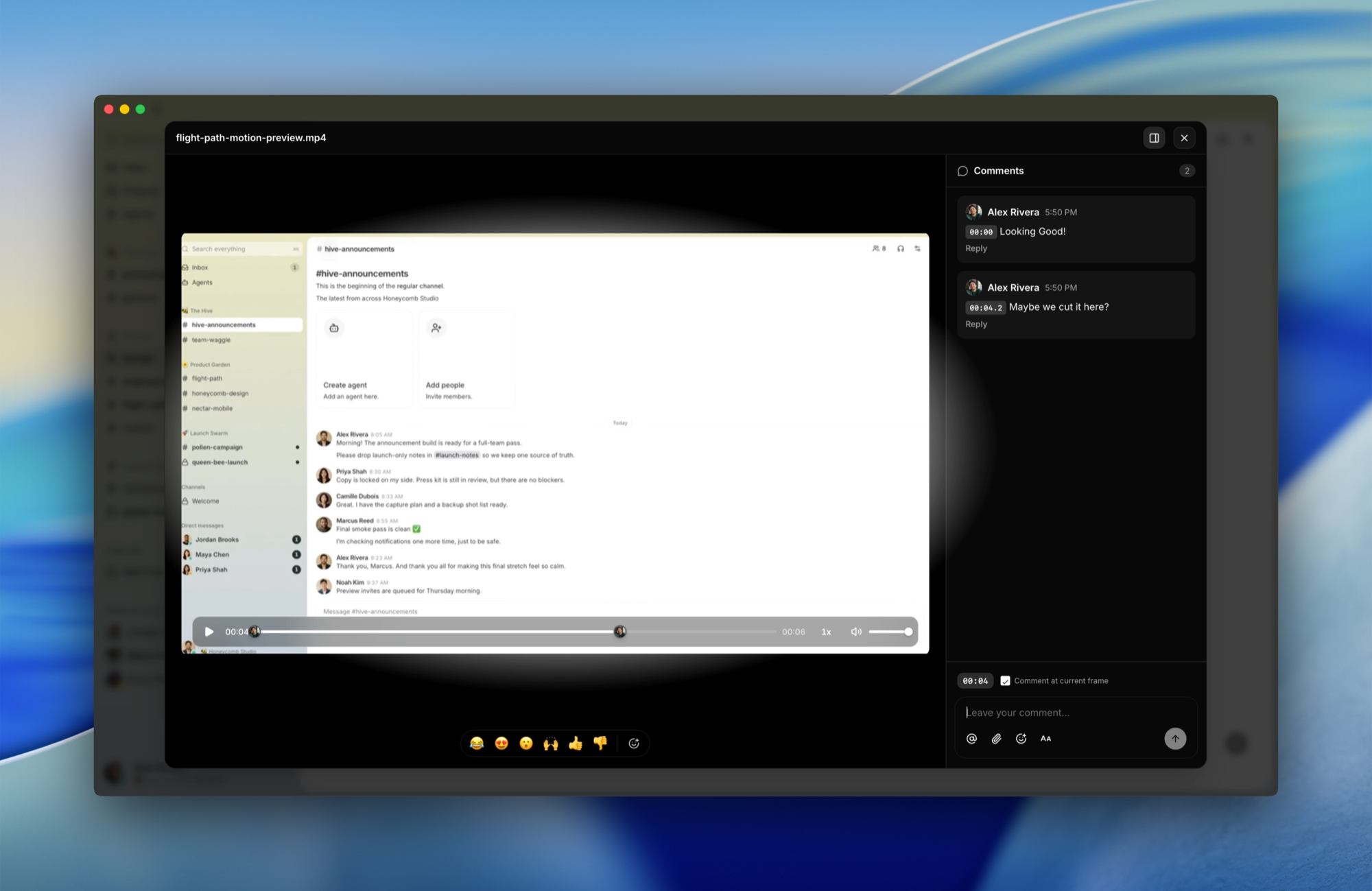
Block launches Buzz, an open-source workspace for humans and AI agents
Block Inc. launched Buzz, a free open-source workspace for human-AI collaborative teams. It unifies chat, code hosting, and workflows while granting AI dedicated accounts.
Site Discovery
Keep exploring the AI ecosystem
After this brief, continue into related tools, models, and rankings to understand whether the story affects your choices.