
Straiker lands $64M to defend enterprise AI agents from attack
Straiker secures $64M Series funding to develop agentic security software, helping enterprises discover and test AI agents for vulnerabilities within organizational systems.
Signal Snapshot
Briefing Notes
What happened and why it matters
Summary
Straiker, a Mountain View-based cybersecurity firm, has successfully closed a $64 million funding round. The capital will be utilized to expand its agentic security software, which is specifically designed to identify and mitigate vulnerabilities within AI agents operating inside organizational systems. This solution focuses on proactive discovery and testing, addressing the growing need for robust security measures as enterprises increasingly deploy autonomous AI agents.
Why it matters
The integration of AI agents into enterprise workflows introduces complex security challenges. Unlike traditional software, these agents often have broad access to internal systems and data, making them high-value targets for attackers. Straiker’s focus on "agentic security" highlights a critical shift in the cybersecurity landscape: securing not just the models themselves, but the autonomous actions they perform. A $64 million investment signals strong market confidence in this niche, suggesting that security providers must evolve beyond static perimeter defenses to address dynamic, agent-driven risks. For organizations adopting AI, this funding validates the urgency of implementing specialized tools to test agent behavior before deployment.
Related tools
For professionals looking to explore similar solutions or broader AI security options, the following resources are recommended:
- Browse AI tools for products in this space
- Model library for weights and APIs
- Rankings for curated shortlists
Impact on AI tools/models
This development impacts the AI ecosystem by raising the bar for security standards in agentic applications. As Straiker’s technology matures, it may become a standard requirement for enterprises deploying LLM-based agents. Developers building AI tools will need to consider compatibility with agentic security frameworks to ensure their creations can operate safely within corporate environments. Furthermore, this funding could accelerate innovation in automated vulnerability testing for AI, potentially leading to more resilient models and safer deployment pipelines across the industry.
What to watch
As the agentic security sector grows, several key trends and developments should be monitored:
- Regulatory Landscape: Watch for emerging regulations regarding AI agent accountability and security standards, which may drive demand for tools like Straiker’s.
- Competitor Activity: Monitor other startups entering the agentic security space to see how Straiker differentiates its discovery and testing methodologies.
- Enterprise Adoption: Track case studies from early adopters to understand real-world effectiveness in preventing agent-based attacks.
For ongoing updates on this sector, refer to our AI news section. You can also explore our rankings to compare Straiker against other security-focused AI tools. Additionally, check out our browse AI tools directory for a comprehensive list of solutions addressing AI safety and security.
FAQ
What does Straiker do? Straiker offers agentic security software that discovers and tests AI agents for vulnerabilities within organizational systems.
How much funding did Straiker raise? Straiker has raised $64 million to support the development and expansion of its security platform.
Where is Straiker based? The company is located in Mountain View.
Search FAQ
Frequently asked questions
FAQ
What is Straiker's primary focus?
How much funding did Straiker raise?
Where is Straiker based?
Keep Tracking
Related AI news

On theCUBE Pod: IBM’s AI test, Nvidia’s lead and the race for enterprise intelligence
IBM tests enterprise AI while Nvidia dominates accelerated computing. AMD and Broadcom vie for market share as the race for enterprise intelligence intensifies across hardware and software layers.

Hugging Face uses open-weights Z.ai GLM 5.2 to battle attacker after commercial frontier model refusal
Hugging Face detected a breach involving an attacker using agentic AI. Commercial frontier models blocked defensive requests due to strict safety guardrails. Hugging Face responded by deploying the open-weights Z.ai GLM 5.2 to counter the threat.

Anthropic settles with authors and publishers for $1.5B in landmark copyright case
Anthropic agrees to a $1.5 billion settlement with authors and publishers regarding the unauthorized use of creative works to train its Claude AI model, marking the largest copyright settlement in history.
Exclusive: Speakeasy service tracks enterprise-wide AI agent spending
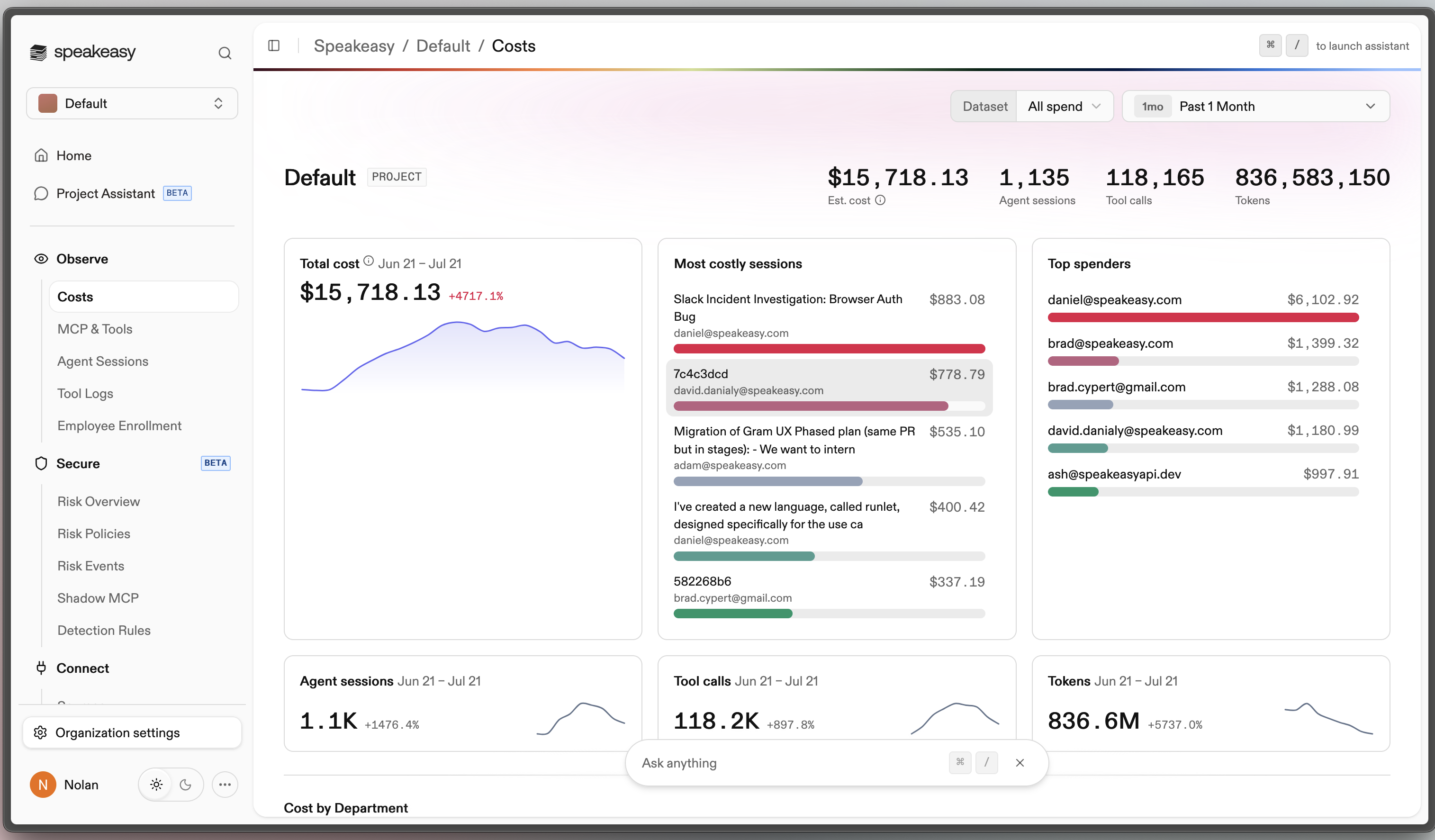
Speakeasy Development Inc. launched an AI cost-management service to track enterprise spending on coding agents like Claude Code, Cursor, and Codex by consolidating token usage data for financial oversight.

AI materials science startup CuspAI raises $450M in funding
UK-based AI materials science startup CuspAI secures $450M Series B funding at a $2.6B valuation, backed by Kleiner Perkins and NEA to support a chemical research consortium with Nvidia and Samsung.
Block launches Buzz, an open-source workspace for humans and AI agents
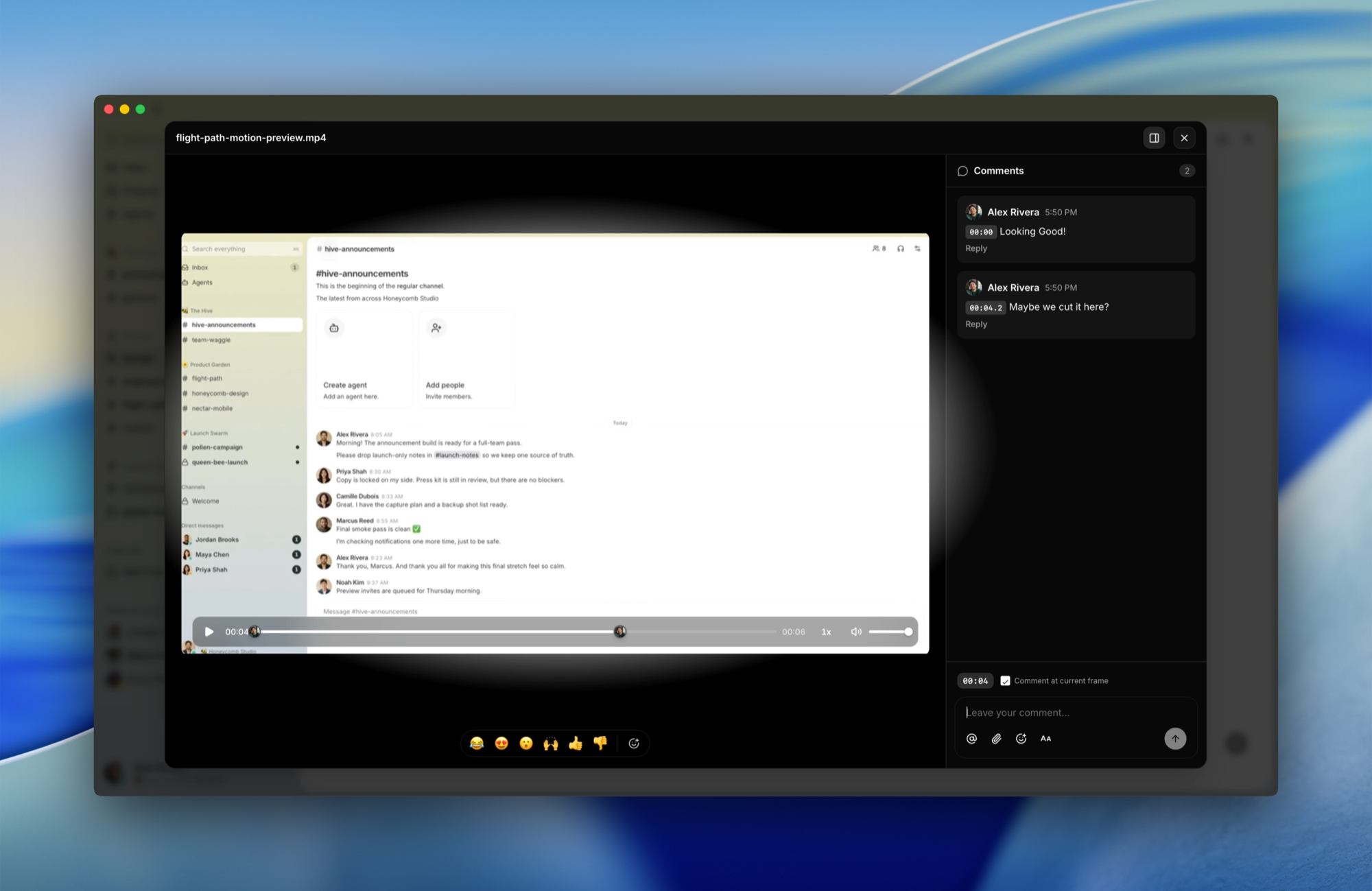
Block Inc. launched Buzz, a free open-source workspace for human-AI collaborative teams. It unifies chat, code hosting, and workflows while granting AI dedicated accounts.
Site Discovery
Keep exploring the AI ecosystem
After this brief, continue into related tools, models, and rankings to understand whether the story affects your choices.