
Radware adds Claude Code protection and compliance reporting to agent security
Radware expands Agentic AI Protection with compliance reporting and support for Anthropic's Claude Code, addressing security needs as enterprises deploy more AI agents.

Signal Snapshot
Briefing Notes
What happened and why it matters
Summary
Radware Ltd., a prominent application and network security provider, has significantly upgraded its Agentic AI Protection product. This expansion introduces critical compliance reporting capabilities and enhances visibility into artificial intelligence agent activities. A key addition is dedicated protection for agents operating directly on developer machines, specifically targeting Anthropic PBC’s Claude Code. As organizations increasingly delegate operational tasks to autonomous AI agents, this update addresses the growing demand for robust security and regulatory adherence within development environments.
Why it matters
The integration of Claude Code support marks a strategic shift in how enterprise security is managed during the software development lifecycle. Traditionally, security tools focused on production environments or network perimeters. However, with the rise of agentic AI, threats now originate from the very tools developers use to write code. By securing agents running locally on developer machines, Radware acknowledges that the "edge" of the enterprise network has moved to individual workstations. Furthermore, the addition of compliance reporting provides security teams with the necessary audit trails to ensure that AI-driven actions meet internal governance standards and external regulatory requirements. This reduces the risk of unauthorized data exposure or malicious code injection at the source.
Related tools
- /en/tools/radware-agentic-ai-protection
- /en/tools/anthropic-claude-code
- /en/tools/cybersecurity-compliance
Impact on AI tools/models
This development underscores the increasing necessity for specialized security layers tailored to AI-specific workflows. Models like Claude Code, which operate autonomously or semi-autonomously within IDEs, require protection mechanisms that differ from traditional web application firewalls. Radware’s move suggests a broader industry trend where security vendors must adapt their offerings to cover the full spectrum of AI agent interactions, from local execution to cloud-based inference. It also highlights the importance of vendor-neutral security solutions that can protect various AI models without requiring deep integration into each specific tool’s architecture.
What to watch
As enterprises continue to adopt agentic AI, the intersection of developer productivity and security will remain a critical focal point. Organizations should monitor how other security providers respond to the need for local agent protection and compliance auditing. Additionally, the evolution of standards for AI agent behavior and accountability will likely influence future product updates in this space. For those interested in tracking these developments, exploring the latest AI news can provide context on emerging threats and mitigation strategies. Security teams should also review the rankings of AI security platforms to compare capabilities across vendors. Finally, staying informed about new releases in the ToolSeekAI tools directory will help identify complementary solutions for managing AI agent lifecycles.
FAQ
What new features does Radware’s updated Agentic AI Protection offer? The update includes compliance reporting, deeper visibility into AI agent activity, and specific protection for agents running on developer machines, such as Claude Code.
Which AI tool is specifically mentioned for local agent protection? Anthropic PBC’s Claude Code is explicitly highlighted as a supported agent for the new protection features.
Why is compliance reporting important for AI agents? Compliance reporting allows security teams to audit AI actions, ensuring they adhere to organizational policies and regulatory standards, which is crucial as AI agents take on more operational responsibilities.
Keep Tracking
Related AI news
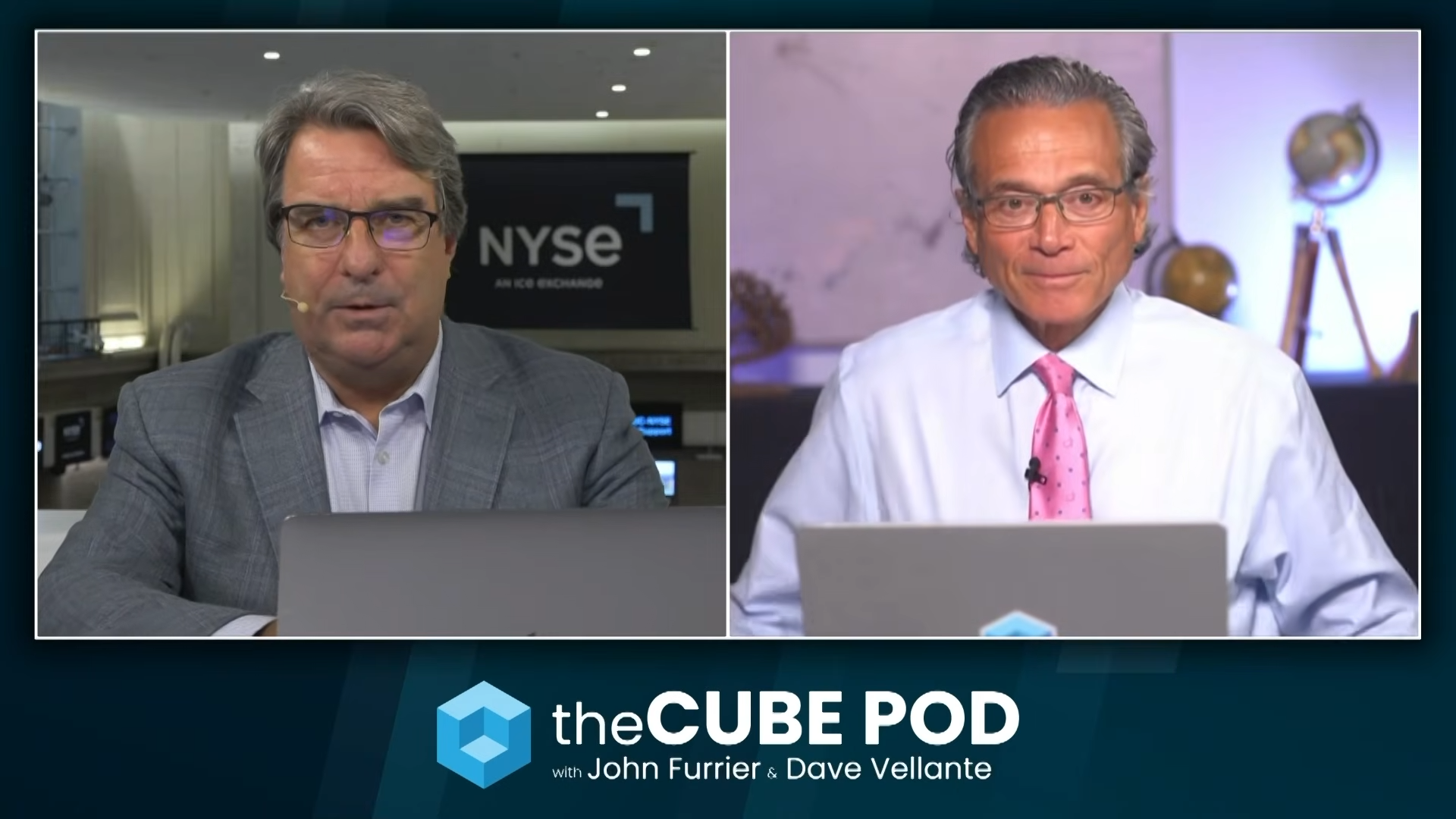
On theCUBE Pod: IBM’s AI test, Nvidia’s lead and the race for enterprise intelligence
IBM tests enterprise AI while Nvidia dominates accelerated computing. AMD and Broadcom vie for market share as the race for enterprise intelligence intensifies across hardware and software layers.
Hugging Face uses open-weights Z.ai GLM 5.2 to battle attacker after commercial frontier model refusal
Hugging Face detected a breach involving an attacker using agentic AI. Commercial frontier models blocked defensive requests due to strict safety guardrails. Hugging Face responded by deploying the open-weights Z.ai GLM 5.2 to counter the threat.

Anthropic settles with authors and publishers for $1.5B in landmark copyright case
Anthropic agrees to a $1.5 billion settlement with authors and publishers regarding the unauthorized use of creative works to train its Claude AI model, marking the largest copyright settlement in history.
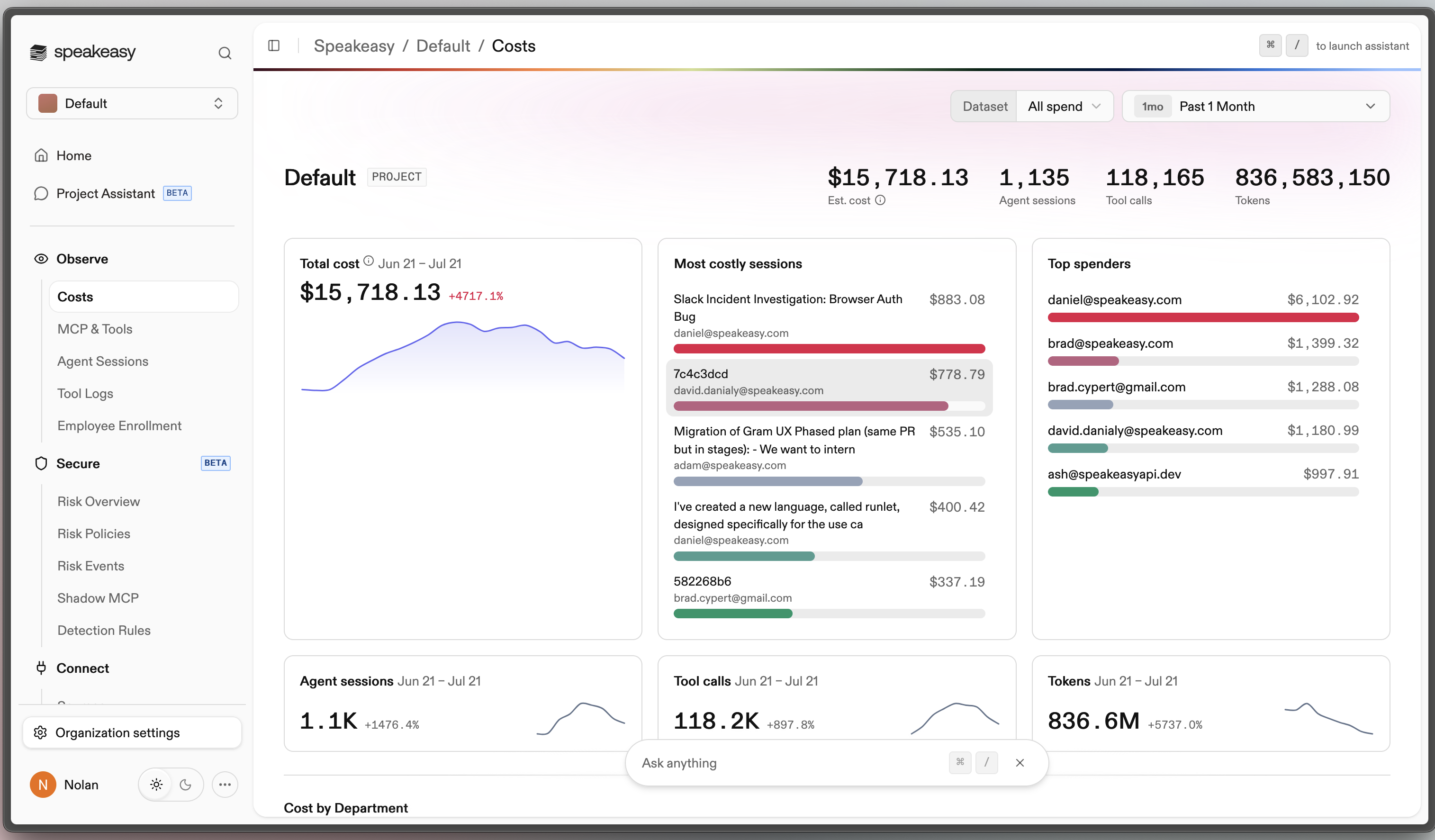
Exclusive: Speakeasy service tracks enterprise-wide AI agent spending
Speakeasy Development Inc. launched an AI cost-management service to track enterprise spending on coding agents like Claude Code, Cursor, and Codex by consolidating token usage data for financial oversight.
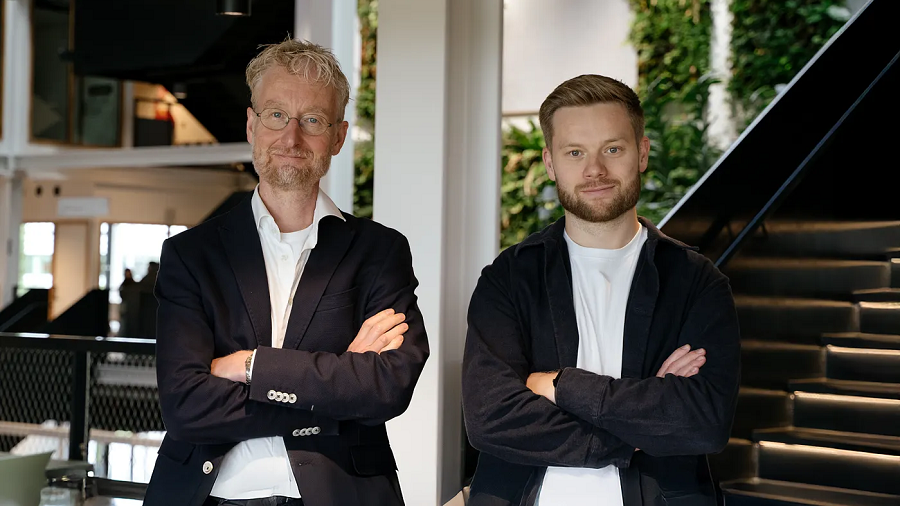
AI materials science startup CuspAI raises $450M in funding
UK-based AI materials science startup CuspAI secures $450M Series B funding at a $2.6B valuation, backed by Kleiner Perkins and NEA to support a chemical research consortium with Nvidia and Samsung.
Block launches Buzz, an open-source workspace for humans and AI agents
Block Inc. launched Buzz, a free open-source workspace for human-AI collaborative teams. It unifies chat, code hosting, and workflows while granting AI dedicated accounts.
Site Discovery
Keep exploring the AI ecosystem
After this brief, continue into related tools, models, and rankings to understand whether the story affects your choices.