
Powering AI agents: CoreWeave’s validation of Nvidia Vera Rubin signals new chapter for rack-scale computing
CoreWeave and Nvidia validate rack-scale architecture for Vera Rubin, marking a milestone for agentic AI infrastructure.

Signal Snapshot
Briefing Notes
What happened and why it matters
Summary
In a significant development for the infrastructure supporting autonomous systems, CoreWeave Inc. and Nvidia Corp. have announced the successful bring-up and validation of a complete rack-scale architecture based on Nvidia’s Vera Rubin platform. This milestone, highlighted in recent reporting by SiliconANGLE, underscores the industry's pivot toward specialized computing architectures designed to handle the escalating demands of agentic AI. By validating the system at the rack level rather than just the chip level, these two tech giants are demonstrating that the hardware foundation for large-scale autonomous agents is becoming operational.
Why it matters
The shift toward "agentic AI"—systems capable of autonomous decision-making and task execution—is placing unprecedented strain on existing computing models. Traditional cluster configurations often struggle with the latency and throughput requirements of these rapidly expanding autonomous systems. The validation of a rack-scale architecture suggests a move away from fragmented compute resources toward highly integrated, efficient units. For CoreWeave, a major cloud provider specializing in AI workloads, this partnership with Nvidia signals a readiness to deploy next-generation infrastructure that can support complex, multi-step AI agent operations. It marks a transition from theoretical capability to practical, scalable deployment, ensuring that the physical layer of AI can keep pace with algorithmic advancements.
Related tools
Impact on AI tools/models
This validation directly impacts the tools and models that rely on high-performance computing. As AI agents become more sophisticated, they require lower latency and higher bandwidth between processing units. A validated rack-scale architecture minimizes the bottlenecks associated with inter-rack communication, allowing models to train and infer faster. This efficiency gain enables developers to build more responsive and reliable autonomous agents. Furthermore, it sets a new standard for hardware compatibility, forcing other tool providers to optimize their software stacks for this specific rack-scale configuration to ensure seamless integration.
What to watch
As the industry adapts to this new hardware paradigm, several key areas will define the next phase of AI development. First, monitor how quickly other cloud providers adopt similar rack-scale validations to remain competitive in the agentic AI space. Second, track the performance metrics of models running on Vera Rubin-based racks compared to previous generations to quantify the efficiency gains. Finally, observe the emergence of new developer tools specifically optimized for rack-scale networking. For ongoing updates on these infrastructure shifts, readers should explore the latest developments in AI news and review current rankings of top-performing AI tools that leverage advanced hardware. Additionally, detailed technical breakdowns of such innovations can often be found in curated lists of enterprise AI tools.
FAQ
Q: What is the primary focus of the CoreWeave and Nvidia validation? A: The validation focuses on a complete rack-scale architecture using Nvidia’s Vera Rubin platform, designed to support agentic AI workloads.
Q: Why is rack-scale computing important for AI agents? A: Agentic AI requires low latency and high throughput for autonomous tasks; rack-scale integration reduces bottlenecks found in traditional cluster setups.
Q: Who announced this milestone? A: CoreWeave Inc. and Nvidia Corp. jointly announced the bring-up and validation in June.
Keep Tracking
Related AI news

On theCUBE Pod: IBM’s AI test, Nvidia’s lead and the race for enterprise intelligence
IBM tests enterprise AI while Nvidia dominates accelerated computing. AMD and Broadcom vie for market share as the race for enterprise intelligence intensifies across hardware and software layers.

Hugging Face uses open-weights Z.ai GLM 5.2 to battle attacker after commercial frontier model refusal
Hugging Face detected a breach involving an attacker using agentic AI. Commercial frontier models blocked defensive requests due to strict safety guardrails. Hugging Face responded by deploying the open-weights Z.ai GLM 5.2 to counter the threat.

Anthropic settles with authors and publishers for $1.5B in landmark copyright case
Anthropic agrees to a $1.5 billion settlement with authors and publishers regarding the unauthorized use of creative works to train its Claude AI model, marking the largest copyright settlement in history.
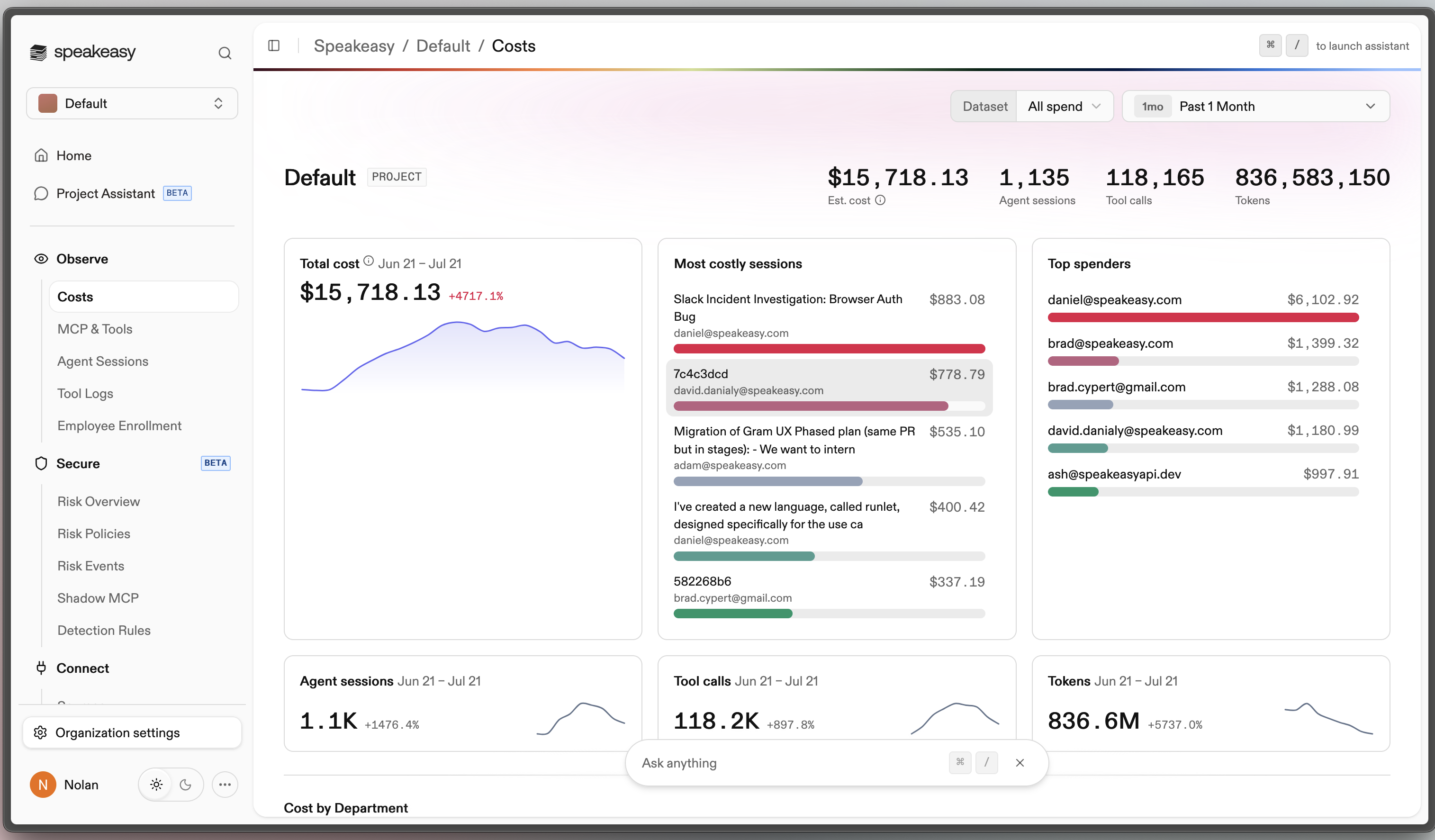
Exclusive: Speakeasy service tracks enterprise-wide AI agent spending
Speakeasy Development Inc. launched an AI cost-management service to track enterprise spending on coding agents like Claude Code, Cursor, and Codex by consolidating token usage data for financial oversight.

AI materials science startup CuspAI raises $450M in funding
UK-based AI materials science startup CuspAI secures $450M Series B funding at a $2.6B valuation, backed by Kleiner Perkins and NEA to support a chemical research consortium with Nvidia and Samsung.
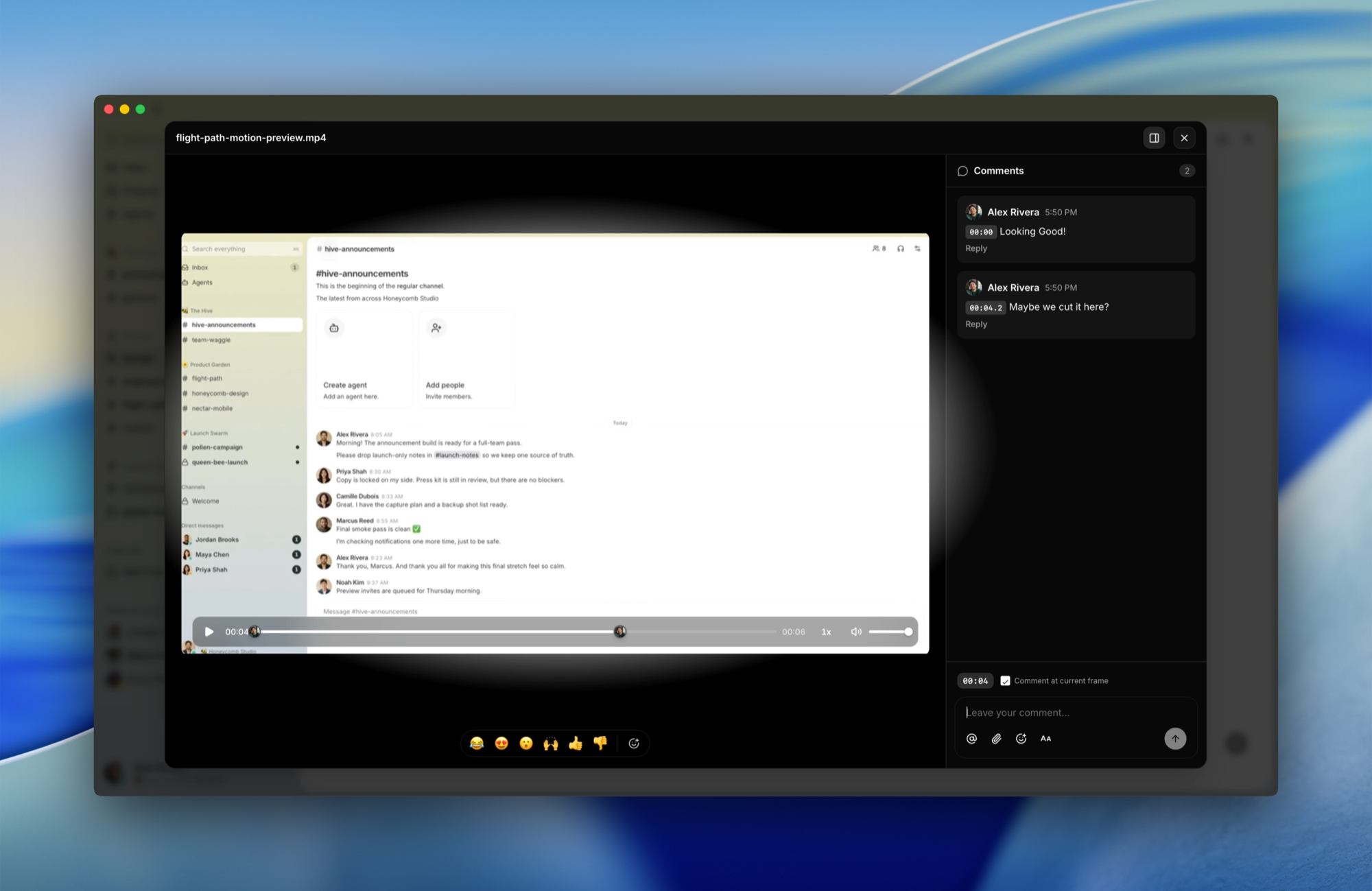
Block launches Buzz, an open-source workspace for humans and AI agents
Block Inc. launched Buzz, a free open-source workspace for human-AI collaborative teams. It unifies chat, code hosting, and workflows while granting AI dedicated accounts.
Site Discovery
Keep exploring the AI ecosystem
After this brief, continue into related tools, models, and rankings to understand whether the story affects your choices.