
Microagi nabs $55M to teach factory robots how to work
Munich-based Microagi raises $55M seed to build AI systems for industrial robotics, backed by Hummingbird and four other investors.

Signal Snapshot
Briefing Notes
What happened and why it matters
Summary
Munich-based Microagi GmbH has secured $55 million in seed funding to build artificial intelligence systems for industrial robotics. Led by Hummingbird, the round includes Northzone, LocalGlobe, Village Global, and Redalpine. Founded roughly ten months ago by former Formula One engineers, the company aims to change how factory robots interact with modern AI models.
Why it matters
Industrial automation has long depended on rigid, pre-programmed robotic arms that struggle with variability and real-time decision-making. By directing capital toward AI-native robotics, Microagi targets a persistent manufacturing bottleneck: the gap between legacy control systems and adaptive machine learning. The involvement of Formula One engineers points to a focus on precision, rapid iteration, and high-stakes performance tuning. The $55 million seed round also reflects strong investor confidence in AI-driven industrial upgrades as manufacturers modernize legacy infrastructure.
Related tools
While Microagi’s exact software stack remains undisclosed, companies operating at this intersection typically rely on simulation environments and motion planning frameworks. Teams evaluating comparable AI-assisted automation solutions can explore ToolSeekAI tools. Developers working on embodied intelligence may find relevant resources through machine learning tools, while those tracking emerging industrial AI players should review current rankings.
Impact on AI tools/models
The funding underscores a shift toward specialized AI models built for physical-world deployment. Factory robots require low-latency inference, robust sensor fusion, and safety-conscious decision loops, pushing developers toward optimized, domain-specific architectures. As Microagi scales, demand will likely grow for efficient training pipelines, synthetic data generation, and edge-deployable models. This trend should accelerate frameworks that bridge simulation-to-reality gaps, making robotic programming more accessible to manufacturers.
What to watch
Microagi’s success will depend on translating Formula One-grade engineering into scalable robotics software, securing partnerships with industrial equipment Makers, and navigating factory safety certifications. For ongoing coverage of funding rounds and emerging AI applications, follow AI news. Teams comparing new robotics startups against established players can consult industry rankings, while developers seeking practical implementations should browse automation tools.
FAQ
- How much funding did Microagi raise? Microagi secured $55 million in seed funding.
- Who leads the investment round? Hummingbird leads, with Northzone, LocalGlobe, Village Global, and Redalpine participating.
- What is Microagi’s core mission? The company aims to change how industrial robots work with artificial intelligence models.
Search FAQ
Frequently asked questions
FAQ
How much funding did Microagi raise?
Who leads the investment round?
What is Microagi’s core mission?
Keep Tracking
Related AI news

On theCUBE Pod: IBM’s AI test, Nvidia’s lead and the race for enterprise intelligence
IBM tests enterprise AI while Nvidia dominates accelerated computing. AMD and Broadcom vie for market share as the race for enterprise intelligence intensifies across hardware and software layers.

Hugging Face uses open-weights Z.ai GLM 5.2 to battle attacker after commercial frontier model refusal
Hugging Face detected a breach involving an attacker using agentic AI. Commercial frontier models blocked defensive requests due to strict safety guardrails. Hugging Face responded by deploying the open-weights Z.ai GLM 5.2 to counter the threat.

Anthropic settles with authors and publishers for $1.5B in landmark copyright case
Anthropic agrees to a $1.5 billion settlement with authors and publishers regarding the unauthorized use of creative works to train its Claude AI model, marking the largest copyright settlement in history.
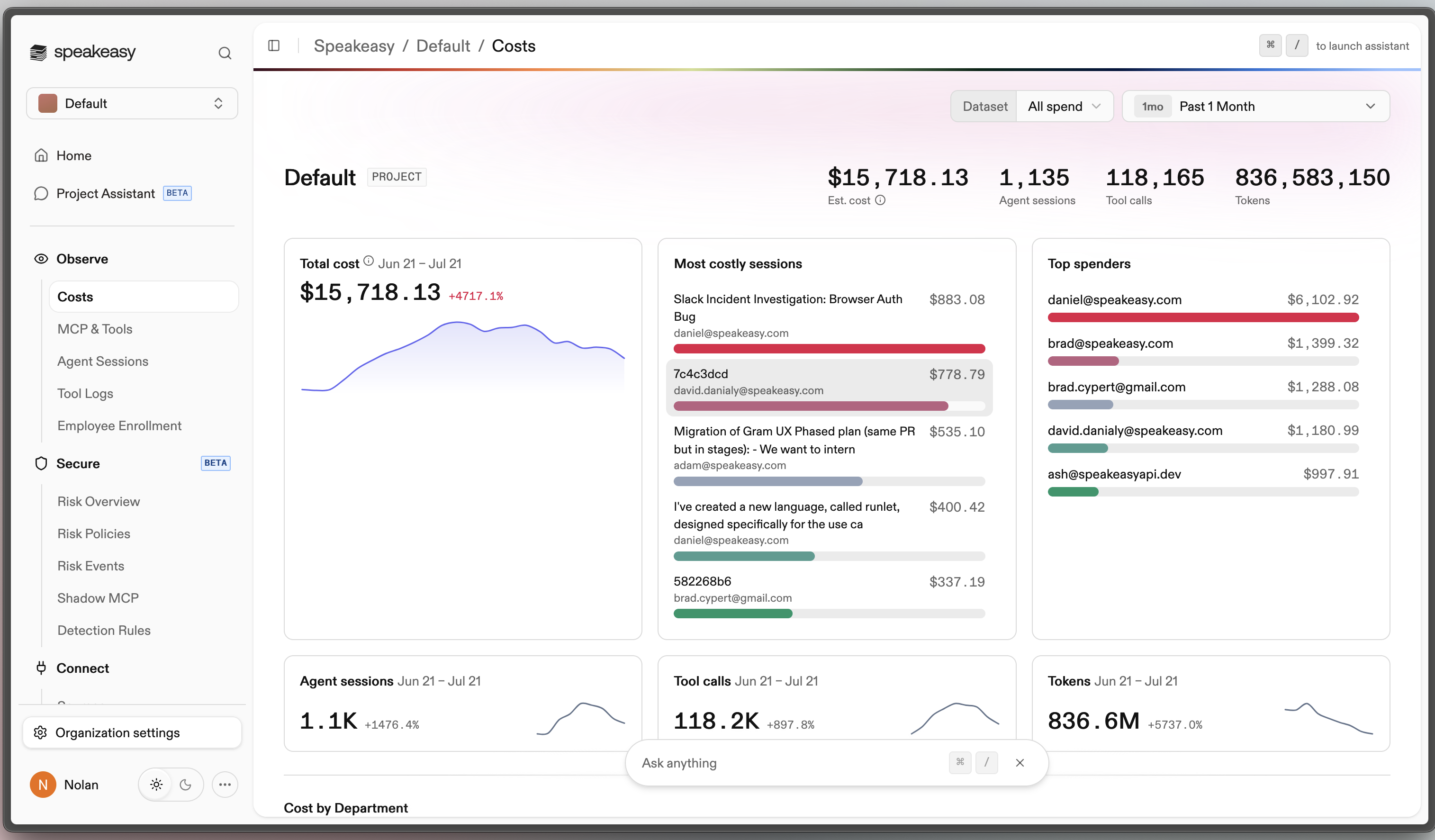
Exclusive: Speakeasy service tracks enterprise-wide AI agent spending
Speakeasy Development Inc. launched an AI cost-management service to track enterprise spending on coding agents like Claude Code, Cursor, and Codex by consolidating token usage data for financial oversight.

AI materials science startup CuspAI raises $450M in funding
UK-based AI materials science startup CuspAI secures $450M Series B funding at a $2.6B valuation, backed by Kleiner Perkins and NEA to support a chemical research consortium with Nvidia and Samsung.
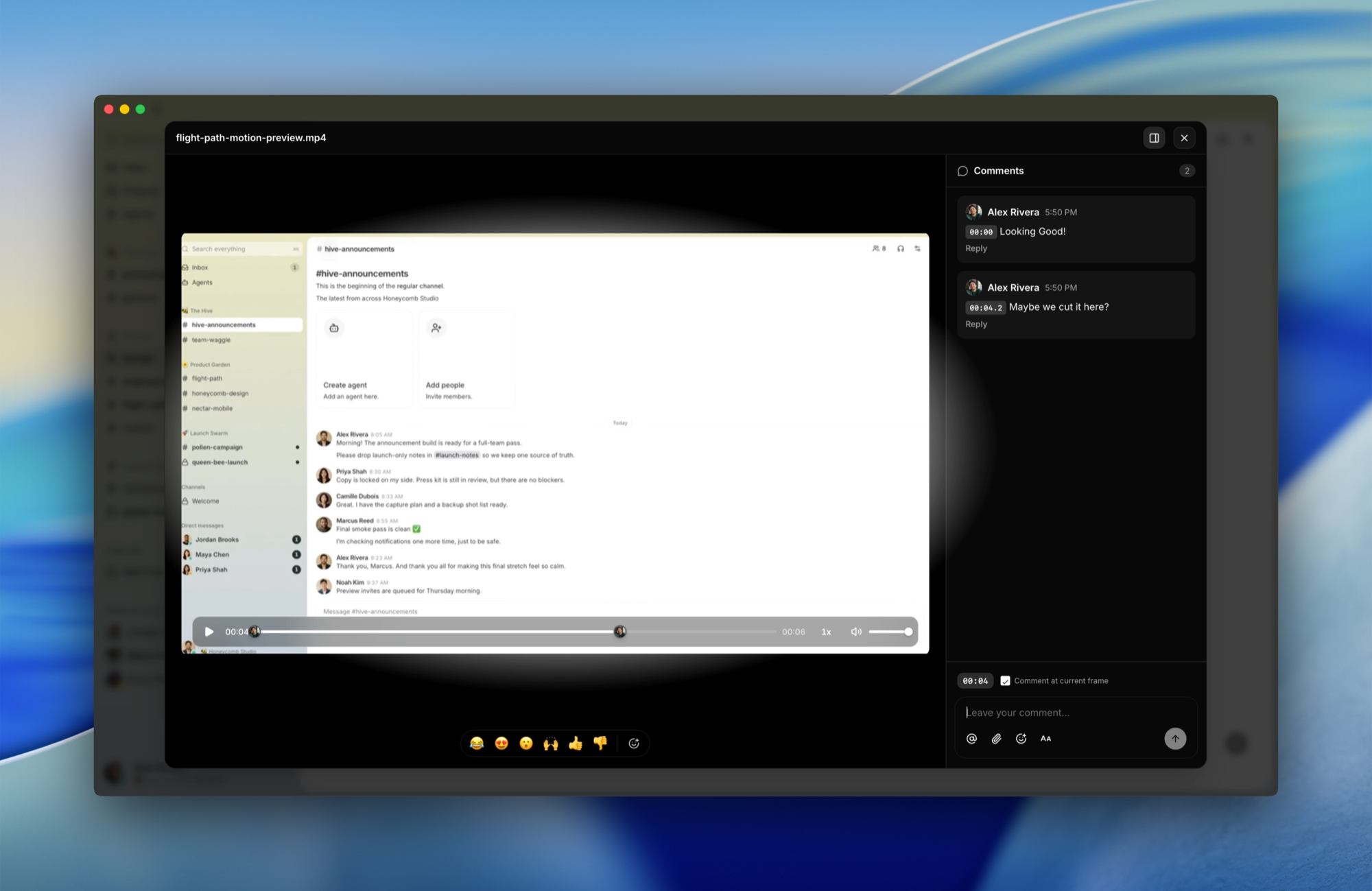
Block launches Buzz, an open-source workspace for humans and AI agents
Block Inc. launched Buzz, a free open-source workspace for human-AI collaborative teams. It unifies chat, code hosting, and workflows while granting AI dedicated accounts.
Site Discovery
Keep exploring the AI ecosystem
After this brief, continue into related tools, models, and rankings to understand whether the story affects your choices.