
DeepFabric ships more than 50 AI agents for supply chain operations
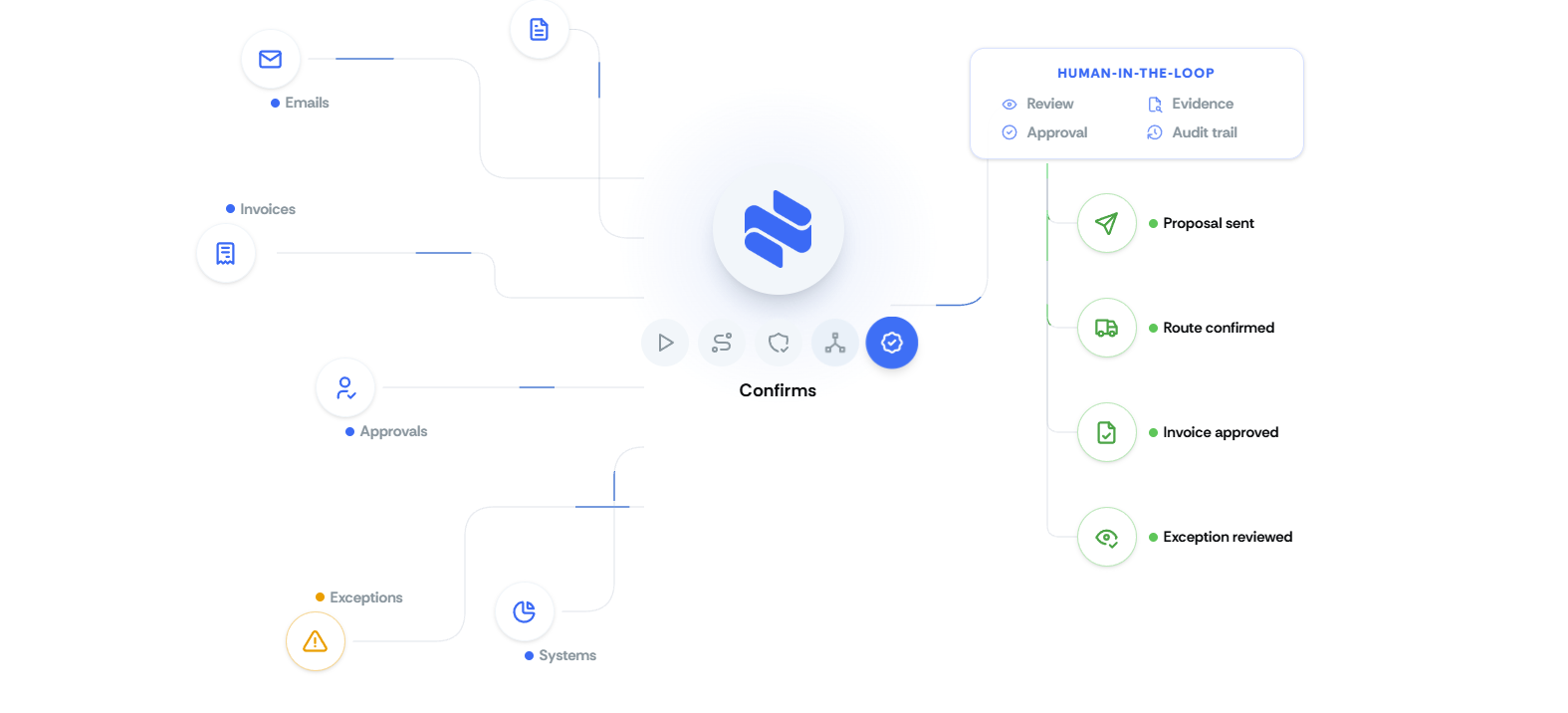
DeepFabric launches an AI agent platform with over 50 specialized agents designed to optimize supply chain execution, recover margins, reduce costs, and accelerate enterprise customer responses.
Signal Snapshot
Briefing Notes
What happened and why it matters
Summary
DeepFabric has officially launched a comprehensive AI agent platform tailored specifically for supply chain operations. The core offering consists of more than 50 specialized agents, each designed to address distinct challenges within the logistics and supply chain ecosystem. According to the company, these agents are engineered to optimize supply chain execution, help enterprises recover lost margins, significantly reduce operational costs, and accelerate response times to enterprise customers. This move positions DeepFabric as a key player in the growing market for autonomous business process automation.
Why it matters
The supply chain sector has long been plagued by inefficiencies, manual bottlenecks, and reactive decision-making processes that can erode profitability. By deploying over 50 specialized AI agents, DeepFabric is shifting the paradigm from passive monitoring to active, autonomous execution. This scale of specialization suggests a deep understanding of the granular tasks required in modern logistics, from inventory management to demand forecasting and customer service interactions. For enterprises, this means the potential for substantial cost savings and improved agility in responding to market fluctuations. The focus on "recovering margins" highlights a direct financial benefit, making this technology attractive to CFOs and COOs looking to streamline operations without massive headcount increases.
Related tools
For those interested in exploring similar technologies, the broader landscape of AI-driven logistics and automation is vast. You can browse other Browse AI tools to find alternatives or complementary solutions for supply chain management. Additionally, developers looking to integrate specific models into their own workflows may want to check the Model library for available weights and APIs that could power custom supply chain agents. To stay updated on which platforms are leading the industry in terms of performance and adoption, reviewing the latest Rankings can provide valuable context on where DeepFabric stands relative to competitors.
Impact on AI tools/models
The introduction of such a large number of specialized agents indicates a trend toward modular AI architectures rather than monolithic models. Instead of relying on a single general-purpose LLM to handle all supply chain tasks, DeepFabric’s approach leverages multiple focused agents. This likely impacts the underlying models used, requiring them to be highly efficient and capable of executing specific, well-defined instructions. It also suggests a growing demand for fine-tuned models or agents trained on proprietary supply chain datasets. As these agents become more prevalent, we may see a shift in how enterprises evaluate AI vendors, prioritizing domain-specific expertise and integration capabilities over raw model size.
What to watch
As DeepFabric rolls out this platform, several key areas warrant attention. First, the actual performance metrics of these 50+ agents in real-world scenarios will be critical. How much cost reduction have early adopters seen? Second, the interoperability of these agents with existing Enterprise Resource Planning (ERP) and Supply Chain Management (SCM) systems will determine their ease of adoption. Third, the evolution of the AI agent market itself, as seen in the latest Rankings, will show whether DeepFabric’s specialized approach gains traction against generalist platforms. Finally, ongoing developments in the Browse AI tools category will reveal if competitors are launching similar multi-agent supply chain solutions, intensifying competition in this niche.
FAQ
What is the primary function of DeepFabric's new platform? The platform aims to optimize supply chain execution, recover margins, reduce costs, and accelerate enterprise customer responses through over 50 specialized AI agents.
How many agents are included in the launch? DeepFabric has shipped more than 50 specialized agents as part of its initial AI agent platform release.
Who is the target audience for these supply chain agents? The agents are designed for enterprises looking to improve their supply chain operations, focusing on cost reduction and efficiency gains.
Search FAQ
Frequently asked questions
FAQ
What is the primary purpose of DeepFabric's new platform?
How many specialized agents does the platform include?
Who is the target audience for DeepFabric's solution?
Keep Tracking
Related AI news

On theCUBE Pod: IBM’s AI test, Nvidia’s lead and the race for enterprise intelligence
IBM tests enterprise AI while Nvidia dominates accelerated computing. AMD and Broadcom vie for market share as the race for enterprise intelligence intensifies across hardware and software layers.

Hugging Face uses open-weights Z.ai GLM 5.2 to battle attacker after commercial frontier model refusal
Hugging Face detected a breach involving an attacker using agentic AI. Commercial frontier models blocked defensive requests due to strict safety guardrails. Hugging Face responded by deploying the open-weights Z.ai GLM 5.2 to counter the threat.

Anthropic settles with authors and publishers for $1.5B in landmark copyright case
Anthropic agrees to a $1.5 billion settlement with authors and publishers regarding the unauthorized use of creative works to train its Claude AI model, marking the largest copyright settlement in history.
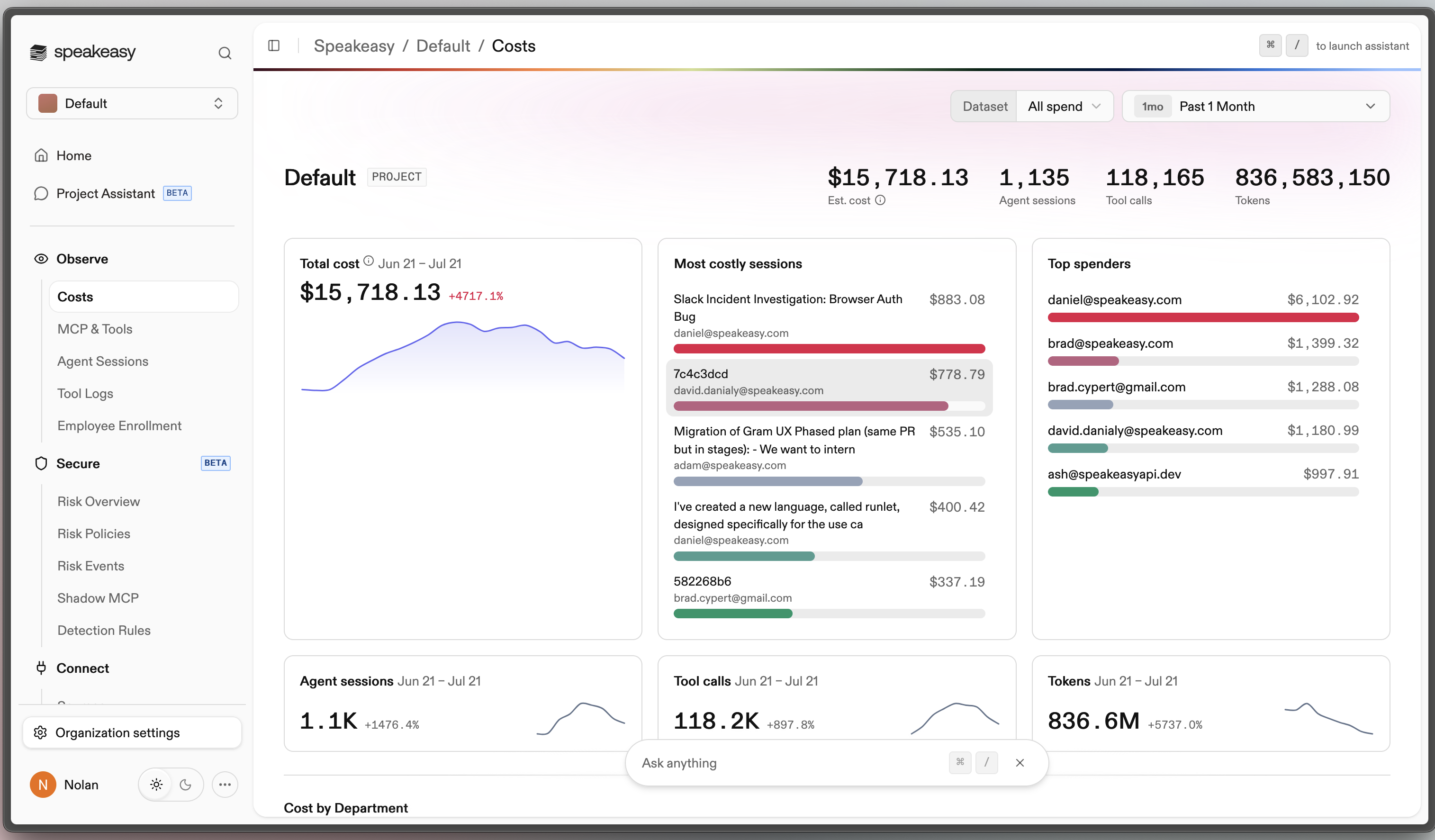
Exclusive: Speakeasy service tracks enterprise-wide AI agent spending
Speakeasy Development Inc. launched an AI cost-management service to track enterprise spending on coding agents like Claude Code, Cursor, and Codex by consolidating token usage data for financial oversight.

AI materials science startup CuspAI raises $450M in funding
UK-based AI materials science startup CuspAI secures $450M Series B funding at a $2.6B valuation, backed by Kleiner Perkins and NEA to support a chemical research consortium with Nvidia and Samsung.
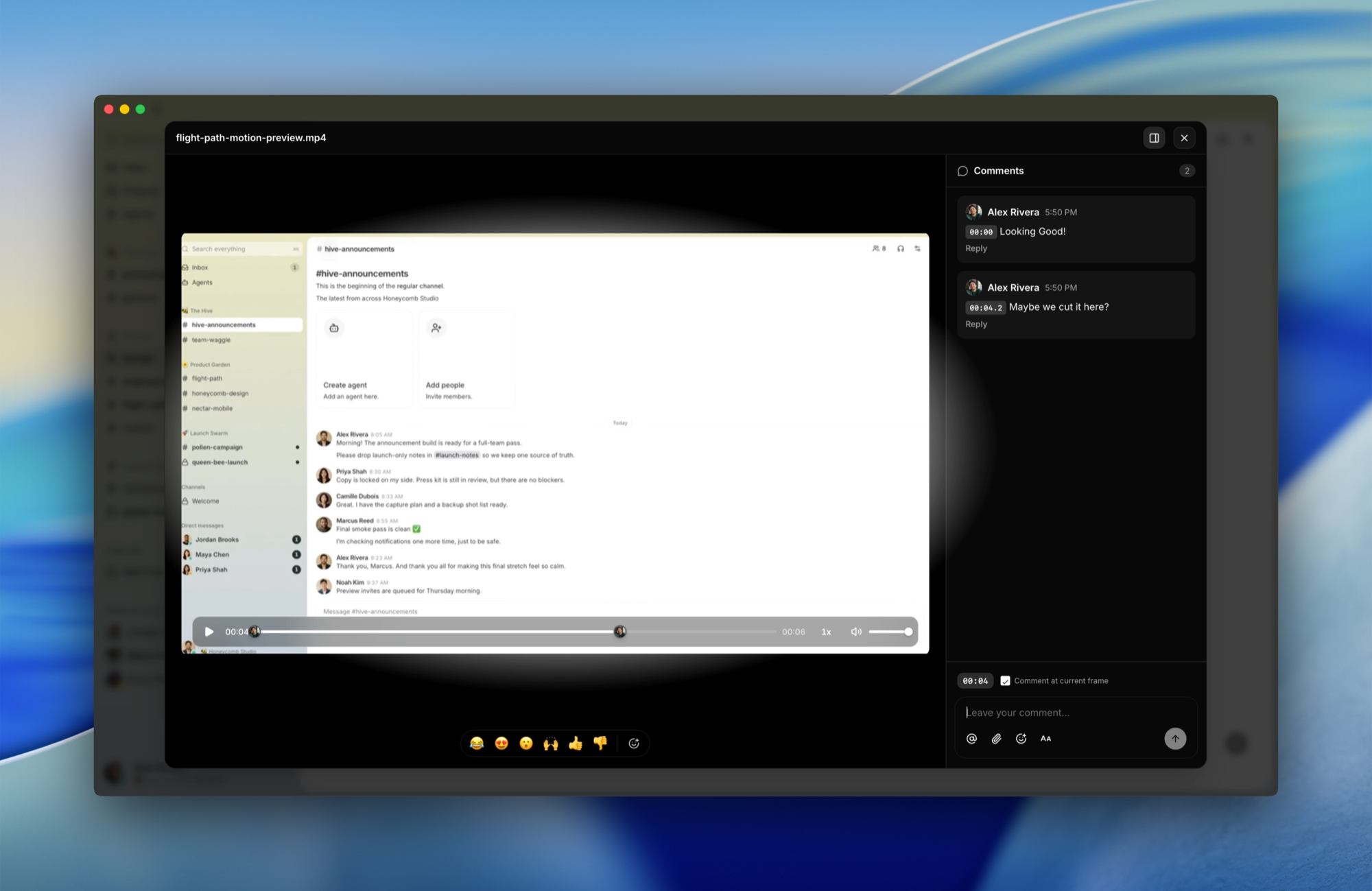
Block launches Buzz, an open-source workspace for humans and AI agents
Block Inc. launched Buzz, a free open-source workspace for human-AI collaborative teams. It unifies chat, code hosting, and workflows while granting AI dedicated accounts.
Site Discovery
Keep exploring the AI ecosystem
After this brief, continue into related tools, models, and rankings to understand whether the story affects your choices.