
Cisco brings enterprise AI infrastructure to the edge: CUBEd Award winner
Cisco launches Unified Edge, an enterprise-grade AI infrastructure solution for the edge, recently honored with the 2026 Tech Innovation CUBEd Award for its IoT and edge computing advancements.

Signal Snapshot
Briefing Notes
What happened and why it matters
Summary
Cisco has officially unveiled "Unified Edge," a new enterprise-grade artificial intelligence infrastructure designed specifically for edge computing environments. This strategic move aims to resolve the significant limitations inherent in legacy systems that often struggle with modern data processing demands at the network periphery. The announcement coincides with the reCognition of the solution by the industry, as it recently secured the 2026 Tech Innovation CUBEd Award. This accolade highlights Cisco's innovative approach to integrating Internet of Things (IoT) capabilities with robust edge computing frameworks, marking a significant step forward in how enterprises manage distributed data.
Why it matters
The deployment of AI infrastructure at the edge is critical for reducing latency and bandwidth usage, which are persistent challenges in traditional cloud-centric models. By bringing enterprise-grade capabilities closer to where data is generated, organizations can achieve faster decision-making and enhanced operational efficiency. The fact that this solution has been recognized with a prestigious award like the CUBEd Award underscores its potential to redefine industry standards for IoT and edge computing. For businesses relying on real-time analytics and immediate response mechanisms, Unified Edge offers a viable path to modernize their infrastructure without the overhead associated with centralized cloud processing. This shift addresses the growing need for scalable, secure, and efficient data handling in increasingly connected industrial and commercial environments.
Related tools
For professionals looking to explore complementary technologies, browsing the latest Browse AI tools can provide insights into software that integrates with such hardware infrastructures. Additionally, developers interested in the underlying models powering these edge solutions may find value in exploring the Model library for compatible weights and APIs. To stay informed about how such innovations rank within the broader ecosystem, checking the Rankings for curated shortlists of top-performing AI solutions is recommended.
Impact on AI tools/models
Unified Edge represents a convergence point between hardware infrastructure and AI software models. By providing a standardized, enterprise-ready environment at the edge, Cisco facilitates the deployment of sophisticated AI models that require low-latency access to data. This infrastructure likely supports a range of AI workloads, from predictive maintenance in IoT devices to real-time video analytics. The emphasis on edge computing suggests a trend toward decentralized AI processing, where models are optimized to run efficiently on local devices rather than relying solely on remote servers. This could lead to the development of more lightweight, specialized AI models tailored for specific edge applications, enhancing privacy and security by keeping sensitive data localized.
What to watch
As Cisco continues to roll out Unified Edge, stakeholders should monitor its adoption rates across various industries, particularly those heavily reliant on IoT. Observing how this infrastructure integrates with existing enterprise systems will be crucial for understanding its long-term viability. Furthermore, tracking updates on the specific AI models supported by this platform will provide insight into the evolving landscape of edge AI. For ongoing coverage of such technological advancements, readers are encouraged to visit ToolSeekAI tools for comprehensive product listings. Keeping an eye on AI news will ensure awareness of related industry shifts and competitor responses. Finally, reviewing rankings can help assess how Unified Edge compares to other emerging edge computing solutions in terms of performance and innovation.
FAQ
What is Cisco Unified Edge? It is an enterprise-grade AI infrastructure solution designed for edge computing, aimed at overcoming legacy system limitations.
Has Cisco Unified Edge received any awards? Yes, it recently won the 2026 Tech Innovation CUBEd Award for its innovative approach to IoT and edge computing.
What problem does Unified Edge solve? It addresses the limitations of legacy infrastructure by providing robust, enterprise-level AI capabilities directly at the edge of the network.
Search FAQ
Frequently asked questions
FAQ
What award did Cisco's Unified Edge win?
Why is Cisco introducing Unified Edge?
Keep Tracking
Related AI news

On theCUBE Pod: IBM’s AI test, Nvidia’s lead and the race for enterprise intelligence
IBM tests enterprise AI while Nvidia dominates accelerated computing. AMD and Broadcom vie for market share as the race for enterprise intelligence intensifies across hardware and software layers.

Hugging Face uses open-weights Z.ai GLM 5.2 to battle attacker after commercial frontier model refusal
Hugging Face detected a breach involving an attacker using agentic AI. Commercial frontier models blocked defensive requests due to strict safety guardrails. Hugging Face responded by deploying the open-weights Z.ai GLM 5.2 to counter the threat.

Anthropic settles with authors and publishers for $1.5B in landmark copyright case
Anthropic agrees to a $1.5 billion settlement with authors and publishers regarding the unauthorized use of creative works to train its Claude AI model, marking the largest copyright settlement in history.
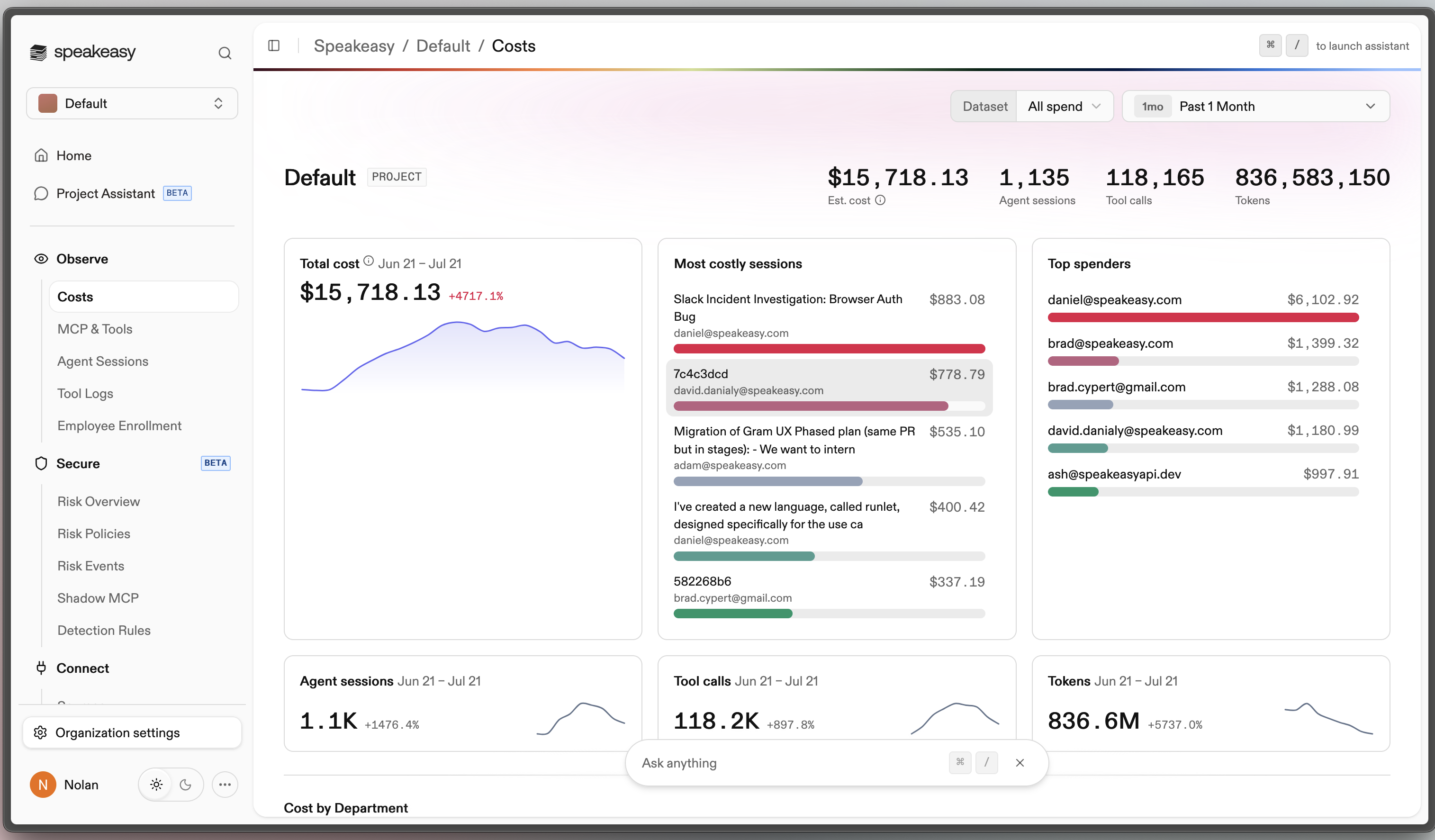
Exclusive: Speakeasy service tracks enterprise-wide AI agent spending
Speakeasy Development Inc. launched an AI cost-management service to track enterprise spending on coding agents like Claude Code, Cursor, and Codex by consolidating token usage data for financial oversight.

AI materials science startup CuspAI raises $450M in funding
UK-based AI materials science startup CuspAI secures $450M Series B funding at a $2.6B valuation, backed by Kleiner Perkins and NEA to support a chemical research consortium with Nvidia and Samsung.
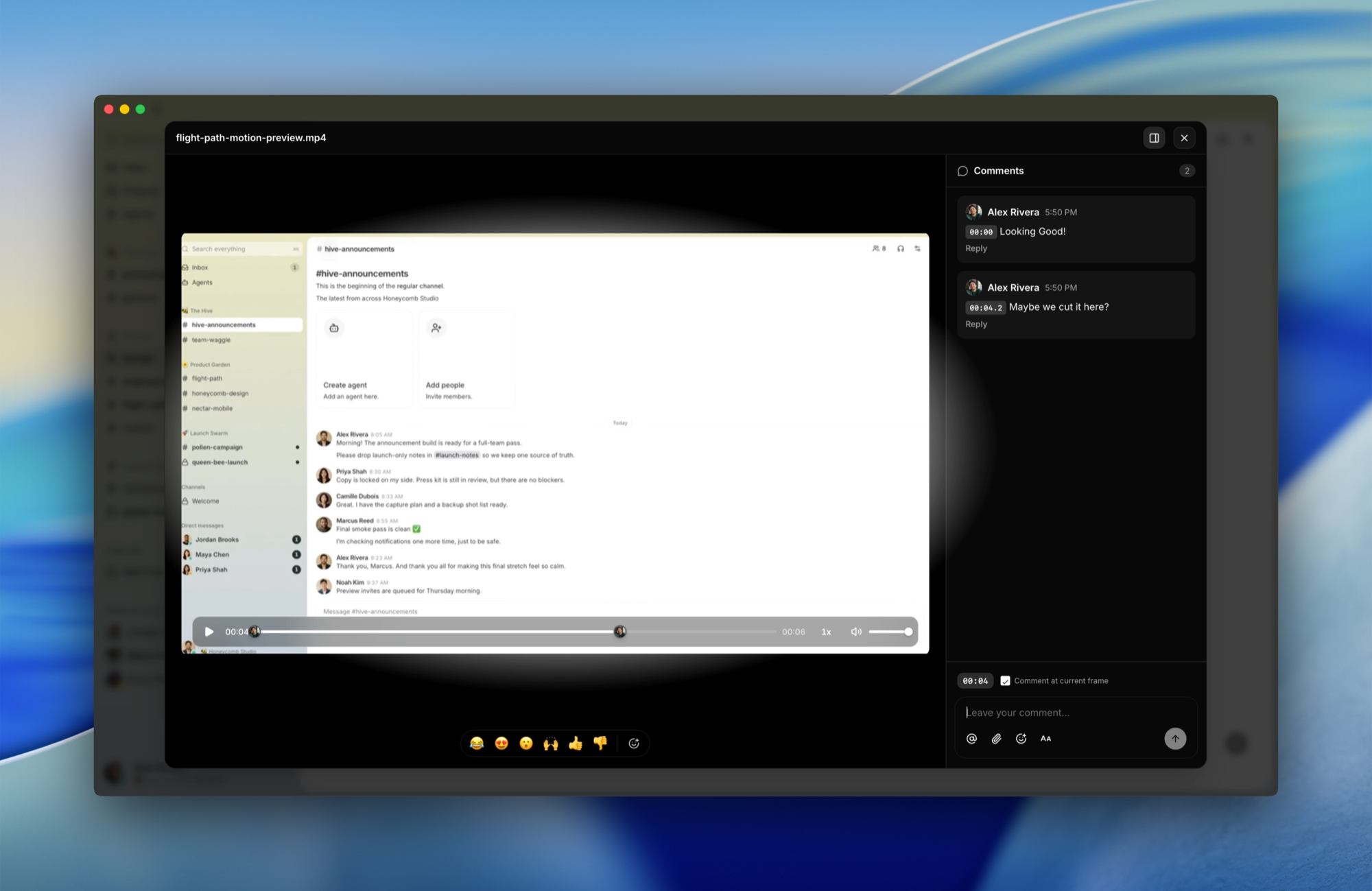
Block launches Buzz, an open-source workspace for humans and AI agents
Block Inc. launched Buzz, a free open-source workspace for human-AI collaborative teams. It unifies chat, code hosting, and workflows while granting AI dedicated accounts.
Site Discovery
Keep exploring the AI ecosystem
After this brief, continue into related tools, models, and rankings to understand whether the story affects your choices.