
Atlassian evolves Jira into an orchestration hub for developers and AI agents
Atlassian transforms Jira into an AI orchestration hub, introducing Jira Planner for specs and coding agents to automate developer workflows.

Signal Snapshot
Briefing Notes
What happened and why it matters
Summary
Atlassian has officially announced a significant evolution of its flagship project management platform, Jira, positioning it as a central orchestration hub for both human developers and artificial intelligence agents. This strategic update aims to streamline how software teams prepare, distribute, and track work that is increasingly being performed by AI. The core of this transformation involves new native capabilities like Jira Planner and specialized agents designed to bridge the gap between traditional project management and modern AI-driven development workflows.
Why it matters
The integration of AI orchestration directly into Jira addresses a growing need in the software development lifecycle. As organizations adopt more AI tools, the challenge often lies in managing these tools alongside human efforts. By allowing Jira to act as the command center, Atlassian is reducing friction between planning and execution. This move signals a shift from simple task tracking to active workflow automation, where AI agents can interpret high-level project goals and convert them into actionable technical specifications. For enterprises already invested in the Atlassian ecosystem, this reduces the complexity of integrating disparate AI tools, keeping all operational data within a single, familiar interface.
Related tools
Impact on AI tools/models
This update impacts how AI models interact with enterprise software. Rather than operating in silos, AI agents are now embedded into the primary workflow engine used by millions of developers. This suggests a future where AI models are evaluated not just on code generation accuracy, but on their ability to integrate with project management schemas. It also raises questions about data privacy and governance, as sensitive project specifications are processed by AI agents within the Jira environment. Developers will likely see a change in how they define requirements, moving from manual ticket creation to guiding AI agents through iterative specification processes.
What to watch
As Atlassian rolls out these features, the industry will be observing how effectively the "Jira Coding Agent" handles complex, multi-step development tasks compared to standalone AI coding assistants. The success of this orchestration model could set a precedent for other project management platforms. Additionally, the integration with third-party agents will determine how open the ecosystem remains. Teams should monitor updates regarding AI news to see how competitors respond to this shift toward integrated agent orchestration. Furthermore, exploring rankings of developer tools may reveal changes in preference as Jira’s AI capabilities mature. Finally, checking the latest ToolSeekAI tools directory will help identify which third-party integrations are gaining traction within the Jira ecosystem.
FAQ
What is the main goal of Jira's new AI features? The primary goal is to serve as an orchestration hub that helps developers prepare, distribute, and track work performed by AI agents.
Does Jira have its own AI coding assistant? Yes, Atlassian has introduced a Jira Coding Agent that works alongside integrations with third-party agents to transform work items into requests.
How does Jira Planner assist developers? Jira Planner helps users convert incomplete project ideas into comprehensive technical specifications, streamlining the initial planning phase.
Search FAQ
Frequently asked questions
FAQ
What is Jira Planner?
How does Jira handle AI agents?
Keep Tracking
Related AI news

On theCUBE Pod: IBM’s AI test, Nvidia’s lead and the race for enterprise intelligence
IBM tests enterprise AI while Nvidia dominates accelerated computing. AMD and Broadcom vie for market share as the race for enterprise intelligence intensifies across hardware and software layers.

Hugging Face uses open-weights Z.ai GLM 5.2 to battle attacker after commercial frontier model refusal
Hugging Face detected a breach involving an attacker using agentic AI. Commercial frontier models blocked defensive requests due to strict safety guardrails. Hugging Face responded by deploying the open-weights Z.ai GLM 5.2 to counter the threat.

Anthropic settles with authors and publishers for $1.5B in landmark copyright case
Anthropic agrees to a $1.5 billion settlement with authors and publishers regarding the unauthorized use of creative works to train its Claude AI model, marking the largest copyright settlement in history.
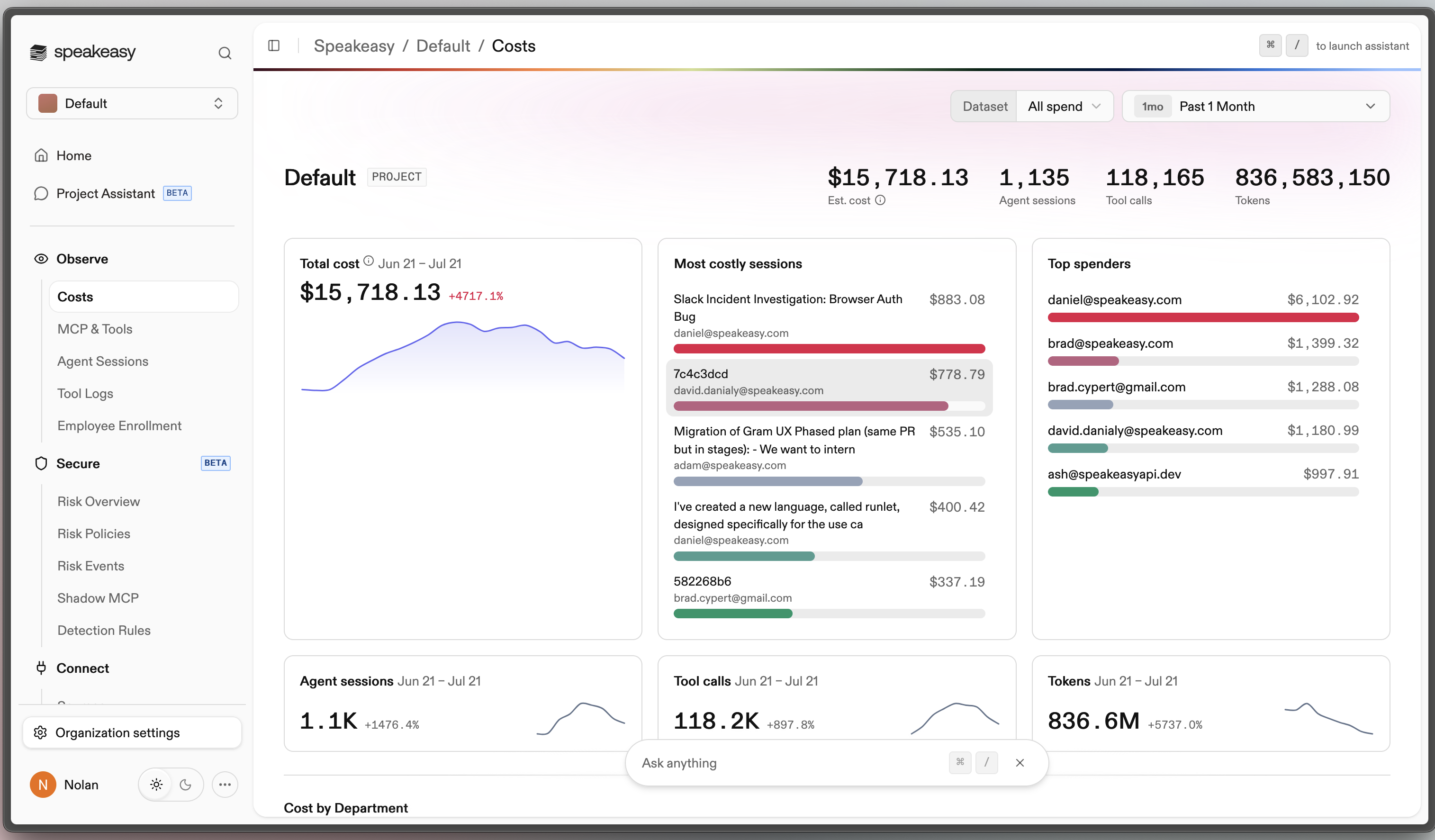
Exclusive: Speakeasy service tracks enterprise-wide AI agent spending
Speakeasy Development Inc. launched an AI cost-management service to track enterprise spending on coding agents like Claude Code, Cursor, and Codex by consolidating token usage data for financial oversight.

AI materials science startup CuspAI raises $450M in funding
UK-based AI materials science startup CuspAI secures $450M Series B funding at a $2.6B valuation, backed by Kleiner Perkins and NEA to support a chemical research consortium with Nvidia and Samsung.
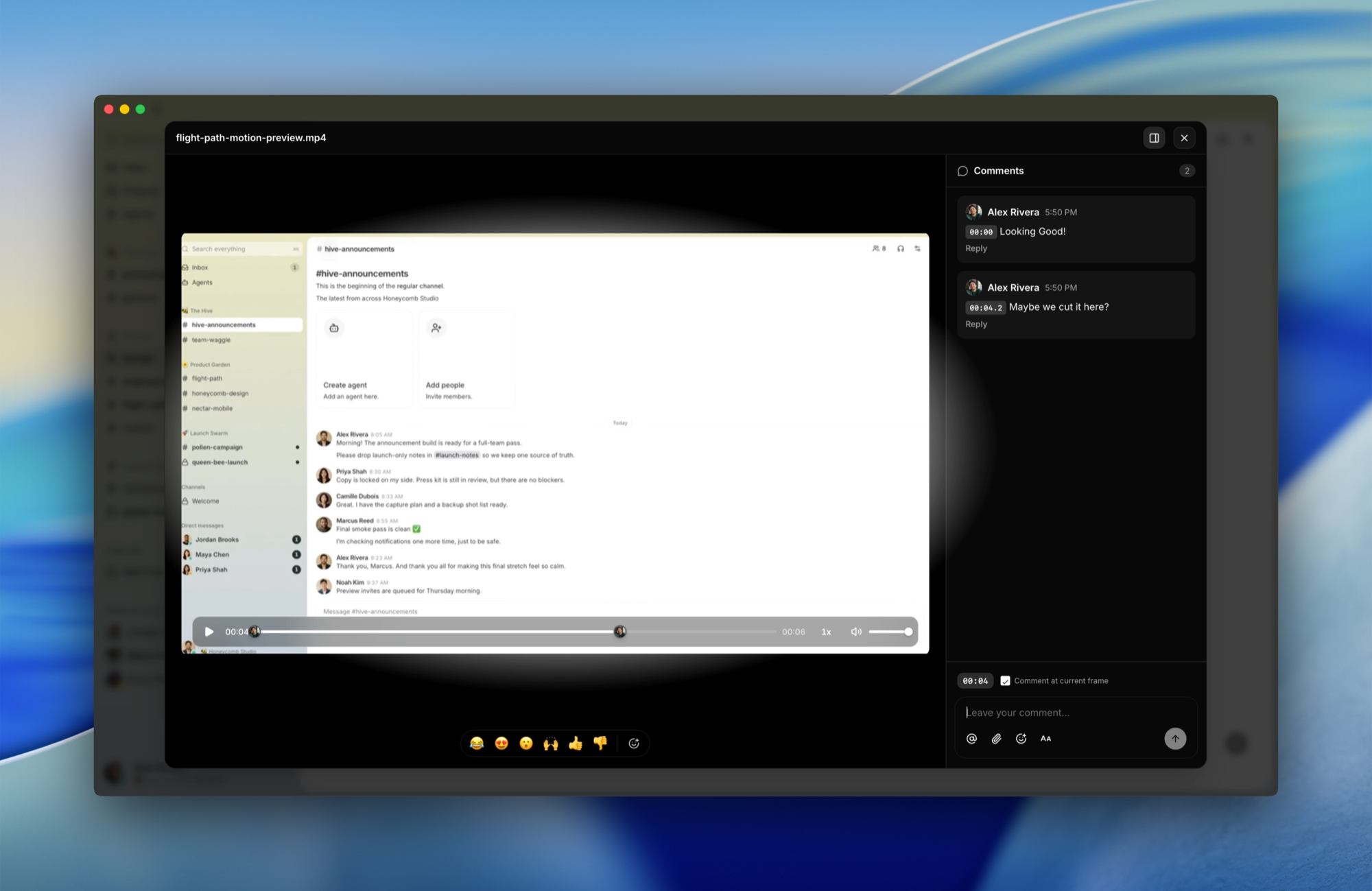
Block launches Buzz, an open-source workspace for humans and AI agents
Block Inc. launched Buzz, a free open-source workspace for human-AI collaborative teams. It unifies chat, code hosting, and workflows while granting AI dedicated accounts.
Site Discovery
Keep exploring the AI ecosystem
After this brief, continue into related tools, models, and rankings to understand whether the story affects your choices.