
Nvidia taps Wall Street for a half-trillion dollars to fuel global AI infrastructure buildout
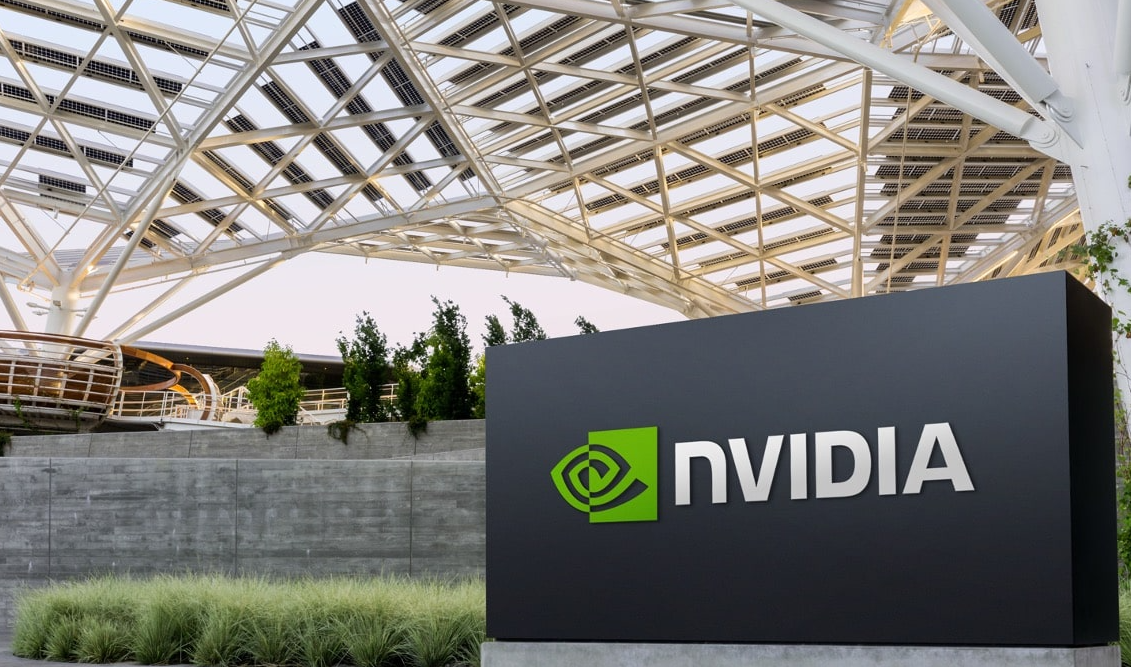
Nvidia secured $500B in funding partnerships with major Wall Street firms to fuel global AI infrastructure expansion.
Signal Snapshot
Briefing Notes
What happened and why it matters
Summary
Nvidia has secured a landmark $500 billion in funding partnerships with some of Wall Street's most prominent firms, including BlackRock, Apollo, Blackstone, Brookfield, Goldman Sachs, and KKR. The capital is earmarked for a global expansion of AI infrastructure, signaling Nvidia's ambition to become the foundational backbone of the AI economy.
Why it Matters
This is not a typical corporate raise — it is a structural realignment of how AI infrastructure will be financed and deployed at scale. By tapping institutional capital rather than relying solely on internal cash flow or traditional debt markets, Nvidia is effectively treating AI infrastructure as a new asset class. The involvement of asset managers like BlackRock and Brookfield suggests that AI data centers and compute capacity are being positioned as long-term, income-generating investments rather than speculative tech bets.
For the broader AI ecosystem, this means the bottleneck may shift from chip design to capital allocation. The firms signing on are not just financial backers; they bring real estate, energy, and regulatory expertise that will be critical as AI infrastructure scales into physical plants around the world.
Related Tools
- Browse AI tools for products in this space
- Model library for weights and APIs
- Rankings for curated shortlists
Impact on AI Tools and Models
Nvidia's $500B infrastructure push will likely accelerate the availability of high-performance compute for model training and inference. Smaller AI tool builders and independent developers may face increased competition for GPU access as institutional-grade data centers come online. However, the expanded capacity could also drive down marginal costs over time, making advanced AI capabilities more accessible. The move reinforces Nvidia's position as the gatekeeper of AI compute, which could influence pricing and availability across the AI tools marketplace.
What to Watch
- How quickly committed capital translates into operational data centers and GPU deployments.
- Whether Nvidia's partnerships with asset managers create new financing models for AI startups.
- The competitive response from AMD, Intel, and custom-chip Makers like Google's TPU division.
- Regulatory scrutiny around the concentration of AI infrastructure ownership.
- Explore more coverage on AI news for ongoing developments.
FAQ
Which firms are partnering with Nvidia? BlackRock, Apollo, Blackstone, Brookfield, Goldman Sachs, and KKR.
What is the funding intended for? Global AI infrastructure expansion, including data centers and compute capacity.
How does this affect smaller AI developers? Increased infrastructure capacity may improve compute availability long-term, but Nvidia's dominant position could tighten access in the near term.
Search FAQ
Frequently asked questions
FAQ
Which firms are partnering with Nvidia?
What is the purpose of the $500B funding?
Keep Tracking
Related AI news

OpenAI leases 10-gigawatt AI data center campus from SoftBank’s SB Energy
OpenAI signed a 20-year lease for a 10-gigawatt AI data center campus in Ohio, built on a former uranium processing site. SB Energy, a SoftBank unit, is leading construction of the massive AI infrastructure project.

Criminal AI tool Kriminal is mostly just Grok with a jailbreak, ThreatDown finds
Research finds criminal AI tool Kriminal is essentially Grok with a jailbreak, rented from SpaceXAI, contradicting its claims of circumventing legitimate AI.

Google’s attempt to buy Spirit Airlines’ data might come unstuck
Google's $10 million bid to acquire Spirit Airlines' business data faces challenges from two parties after initial bankruptcy court approval.
Weak API controls are one of the biggest threats in the agentic AI era
Weak API controls are flagged as a critical security threat as AI agents integrate into enterprise workflows, with Gartner projecting 40% of enterprise apps will have task-specific agents by year-end.
The AI inference race moves beyond GPUs to reshape data center infrastructure
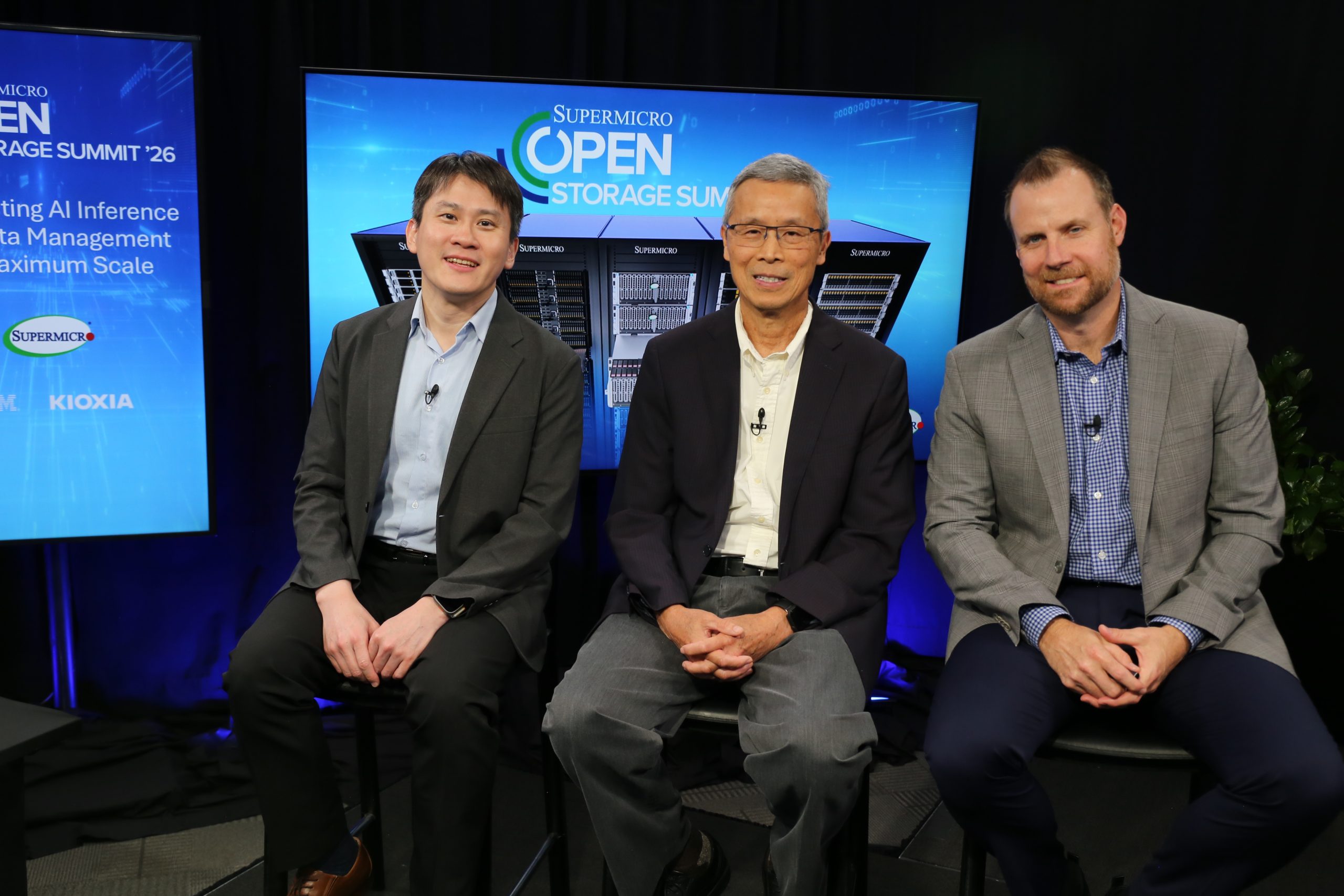
AI inference is evolving from a GPU-centric challenge into a system-level problem, with storage latency, network bandwidth, and power consumption becoming critical data center infrastructure concerns.
Astromech raises $20M to build a biological operating system that can forecast evolutionary change
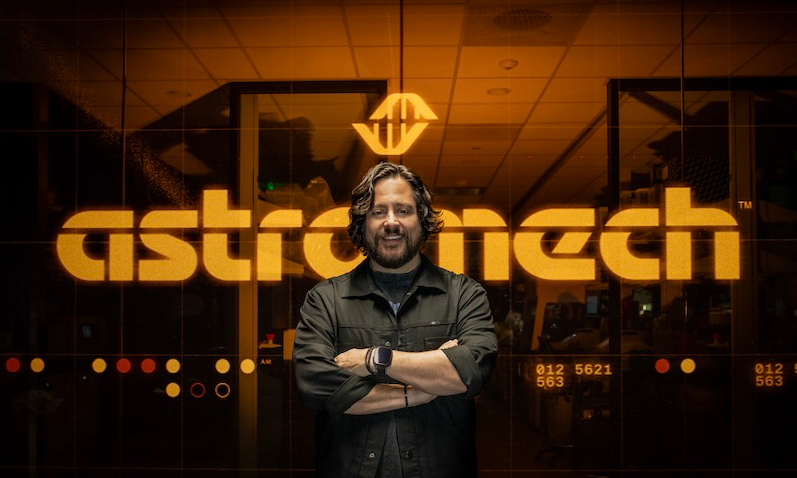
Astromech raised $20M at a $3.8B valuation to develop AI models forecasting biological and evolutionary change, led by Bob Nelsen with participation from Peak 6, NeoGenesis Capital, Builders VC, and CAZ Investments.
Site Discovery
Keep exploring the AI ecosystem
After this brief, continue into related tools, models, and rankings to understand whether the story affects your choices.