
Twin1 AI raises $20M to put an AI twin behind every knowledge worker
Twin1 AI launches with $20M seed funding to build AI-powered digital twins that replicate knowledge workers' expertise across organizations.

Signal Snapshot
Briefing Notes
What happened and why it matters
Summary
Twin1 AI Inc. has officially launched with $20 million in seed funding, aiming to place an AI-powered digital twin behind every knowledge worker. The San Mateo, California-based startup is building persistent models that capture an individual professional's expertise, judgment, and working context, enabling these digital twins to answer questions and take action on behalf of their human counterparts across the organization.
Why it matters
The rise of AI digital twins represents a significant shift in how organizations approach institutional knowledge and productivity. Rather than relying on static documentation or searching through scattered communications, companies can now deploy persistent AI representations of their most valuable employees. This could dramatically reduce knowledge loss from turnover, accelerate onboarding, and ensure critical expertise remains accessible even when the original knowledge worker is unavailable. The $20 million seed round signals strong investor confidence in this emerging category of enterprise AI tools.
Related tools
Impact on AI tools/models
Twin1 AI's approach sits at the intersection of personal AI agents and enterprise knowledge management. By creating persistent, individualized models rather than generic chatbots, the company is pushing the industry toward more personalized AI experiences. This could influence how other AI tool developers think about user-specific models and context retention. The technology also raises important questions about data privacy, model ownership, and the ethical implications of AI systems that can act autonomously on behalf of real employees.
What to watch
As Twin1 AI scales its platform, several developments will be worth tracking. First, how the company handles data privacy and security will be critical for enterprise adoption. Second, the competitive landscape for AI digital twins is likely to intensify as other players enter the space. Third, regulatory frameworks around AI agents acting on behalf of humans will shape how broadly these tools can be deployed. For more on emerging AI tools and platforms, check out our coverage on AI news. Industry observers should also monitor rankings as new entrants compete for market share in the AI productivity space.
FAQ
What is Twin1 AI? Twin1 AI is a San Mateo-based startup that builds AI-powered digital twins representing individual knowledge workers' expertise, judgment, and working context.
How much funding did Twin1 AI raise? Twin1 AI raised $20 million in seed funding.
What does Twin1 AI's product do? It pairs each worker with a persistent AI model that can answer questions and act on their knowledge across the organization.
Search FAQ
Frequently asked questions
FAQ
What is Twin1 AI?
How much funding did Twin1 AI raise?
What does Twin1 AI's product do?
Keep Tracking
Related AI news

Weak API controls are one of the biggest threats in the agentic AI era
Weak API controls are flagged as a critical security threat as AI agents integrate into enterprise workflows, with Gartner projecting 40% of enterprise apps will have task-specific agents by year-end.
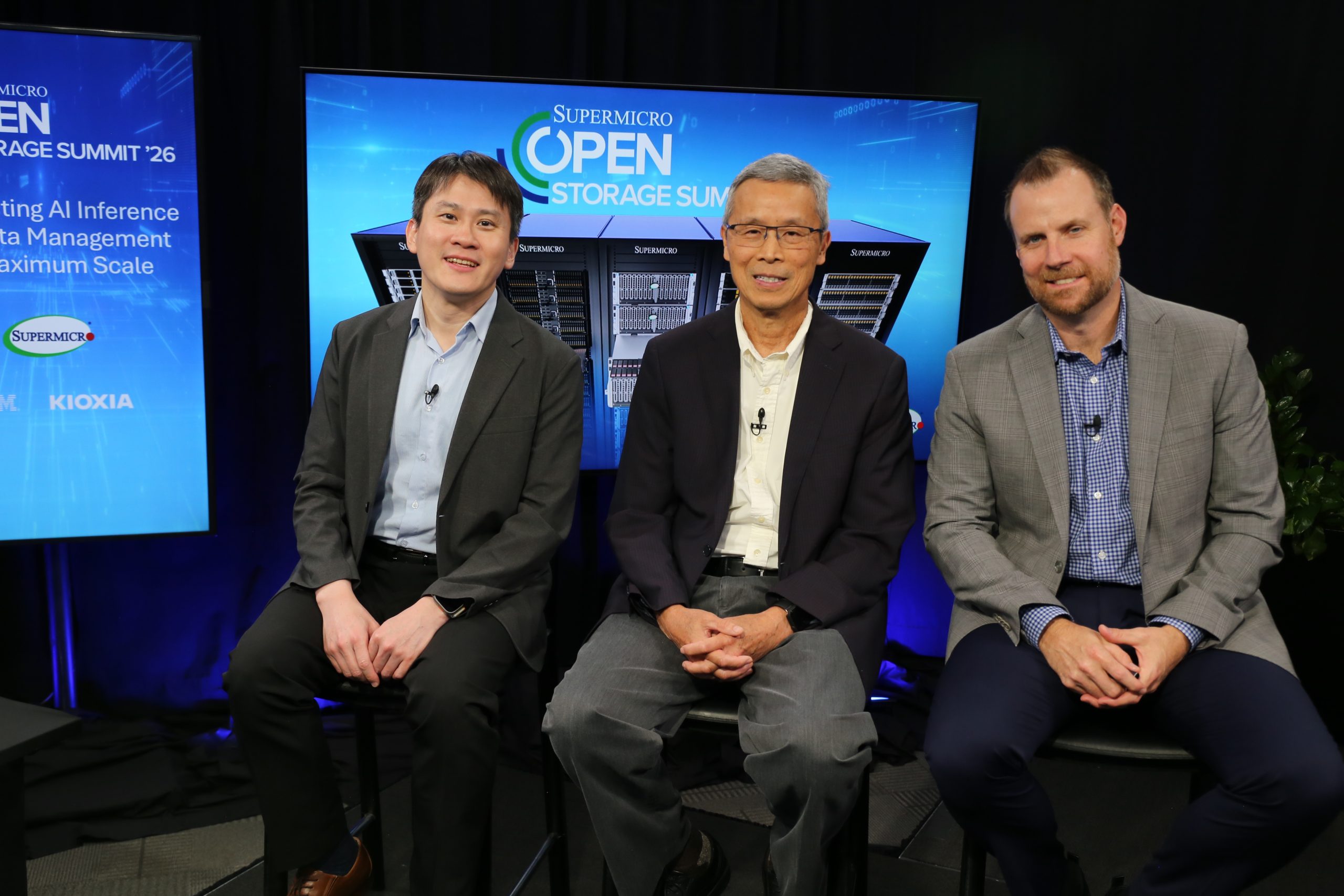
The AI inference race moves beyond GPUs to reshape data center infrastructure
AI inference is evolving from a GPU-centric challenge into a system-level problem, with storage latency, network bandwidth, and power consumption becoming critical data center infrastructure concerns.

Astromech raises $20M to build a biological operating system that can forecast evolutionary change
Astromech raised $20M at a $3.8B valuation to develop AI models forecasting biological and evolutionary change, led by Bob Nelsen with participation from Peak 6, NeoGenesis Capital, Builders VC, and CAZ Investments.
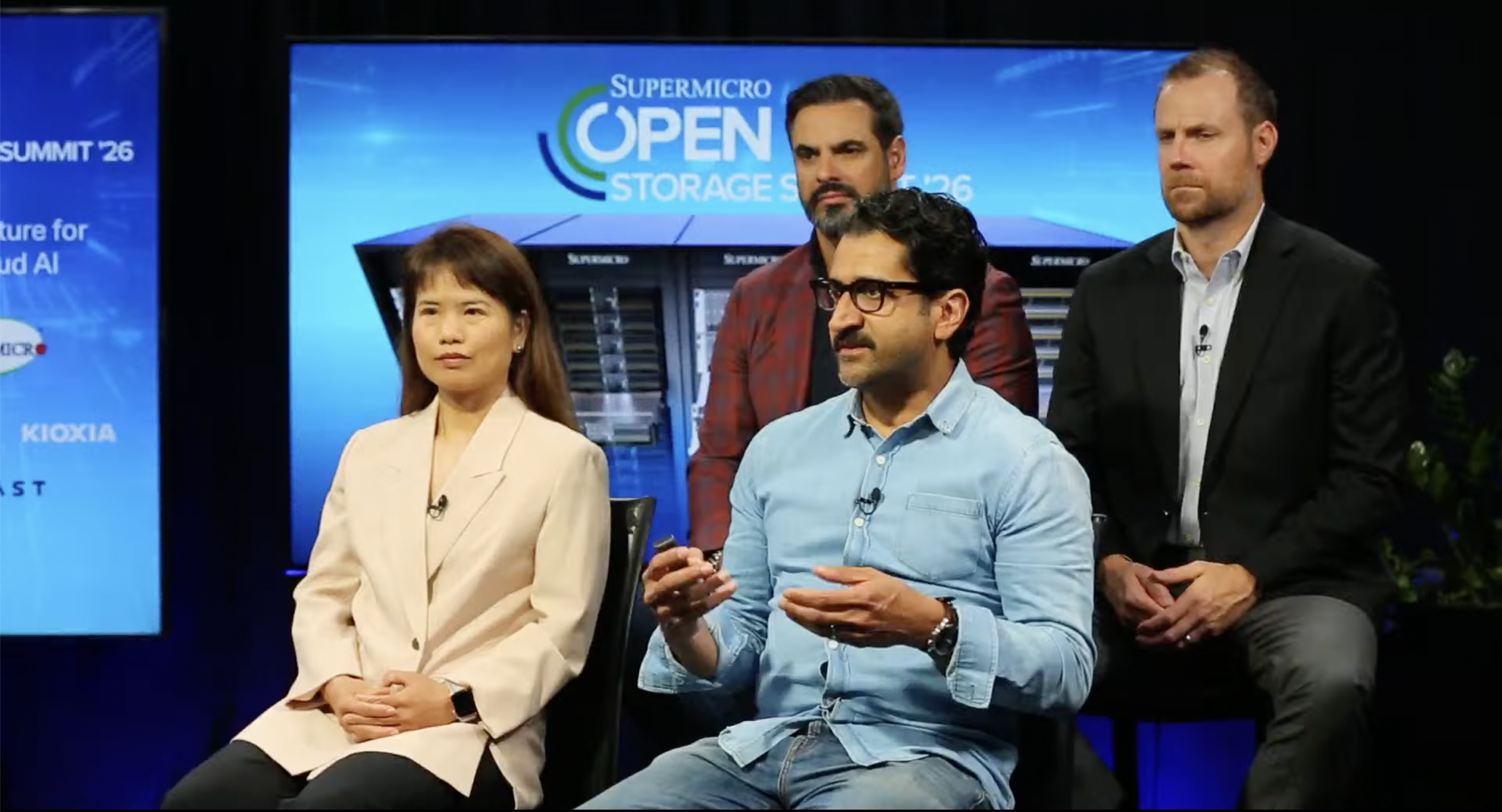
Neoclouds reshape traditional architectures to meet AI demands
AI-first neocloud providers are reshaping enterprise infrastructure as the industry shifts from training to inference workloads, driving new collaborations between hardware, data platforms, and cloud providers.

Layered data architecture turns enterprise data into a system of intelligence
Knowledge graphs are becoming a foundational layer for enterprise AI, with a new class of layered data architecture helping organizations transform scattered data into trustworthy, context-rich answers for AI models.

Graph neural networks are turning hidden fraud into visible networks
Graph neural networks are transforming enterprise fraud detection by mapping hidden relationships between bad actors and revealing interconnected fraud patterns that traditional transaction-based systems miss.
Site Discovery
Keep exploring the AI ecosystem
After this brief, continue into related tools, models, and rankings to understand whether the story affects your choices.