
Starcloud raises $250M to build AI data centers in orbit
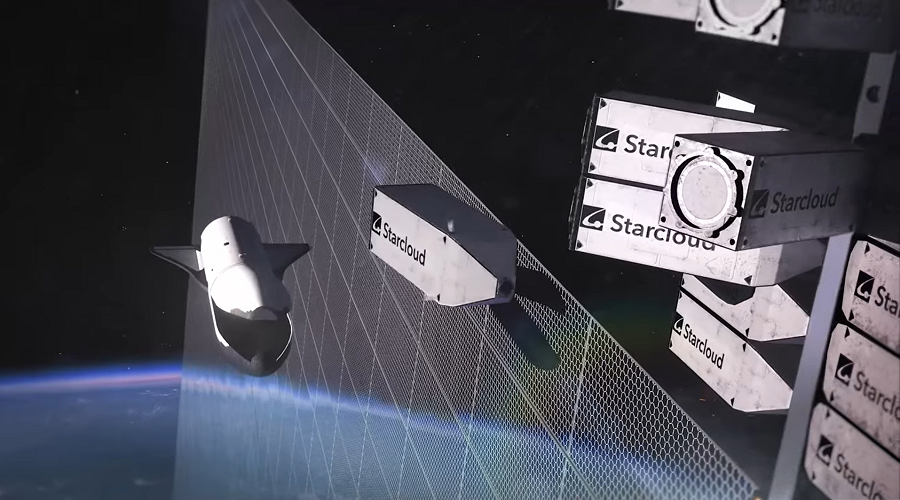
Starcloud Inc. has raised $250 million at a $2.3 billion valuation to build AI data centers in orbit, with Manhattan West leading investment and Nvidia and Cisco among backers.
Signal Snapshot
Briefing Notes
What happened and why it matters
Summary
Starcloud Inc., an artificial intelligence hardware startup focused on orbital infrastructure, announced today that it has secured $250 million in funding at a $2.3 billion valuation. The round was led by investment firm Manhattan West and joined by more than a dozen additional backers, including notable technology investors Nvidia Corp. and Cisco Investments. The latest capital injection extends an existing Series A round that Starcloud initially announced earlier this year.
Why it Matters
The convergence of AI and space infrastructure represents one of the most ambitious frontiers in technology. Starcloud's vision of building AI data centers in orbit is a bold bet on the future of computing — leveraging the unique advantages of space, including abundant solar energy, natural cooling, and minimal terrestrial land constraints. The involvement of heavyweights like Nvidia and Cisco signals that major players in the semiconductor and networking industries see real strategic value in orbital AI infrastructure. This funding round underscores a growing trend in AI news where space-based computing is transitioning from theoretical concept to funded reality.
Related Tools
For those tracking developments in orbital technology and AI infrastructure, exploring resources on AI tools and staying updated through rankings can provide valuable context on how emerging space-AI companies compare to terrestrial competitors.
Impact on AI Tools and Models
Orbital AI data centers could fundamentally reshape how AI models are trained and deployed. By situating compute infrastructure in space, companies may achieve faster training cycles, reduced energy costs, and new paradigms for distributed AI processing. This development could accelerate the capabilities of existing AI tools and models, particularly those requiring massive computational resources. The entry of Nvidia — a dominant force in AI hardware — as an investor suggests that orbital compute may become a new market segment for GPU and accelerator sales.
What to Watch
- Deployment Timeline: When Starcloud plans to launch its first orbital data center and begin operations.
- Partnership Announcements: Whether Starcloud will reveal specific cloud or AI model partnerships.
- Competitive Landscape: How other space-AI startups and traditional cloud providers respond to this funding milestone.
- Regulatory Developments: Any new policies or agreements governing space-based infrastructure that could impact the sector.
- Technical Milestones: Progress on satellite connectivity, power systems, and thermal management critical to orbital data center viability.
Search FAQ
Frequently asked questions
FAQ
How much funding did Starcloud raise?
What is Starcloud's valuation?
Who are the investors backing Starcloud?
Keep Tracking
Related AI news

Weak API controls are one of the biggest threats in the agentic AI era
Weak API controls are flagged as a critical security threat as AI agents integrate into enterprise workflows, with Gartner projecting 40% of enterprise apps will have task-specific agents by year-end.
The AI inference race moves beyond GPUs to reshape data center infrastructure
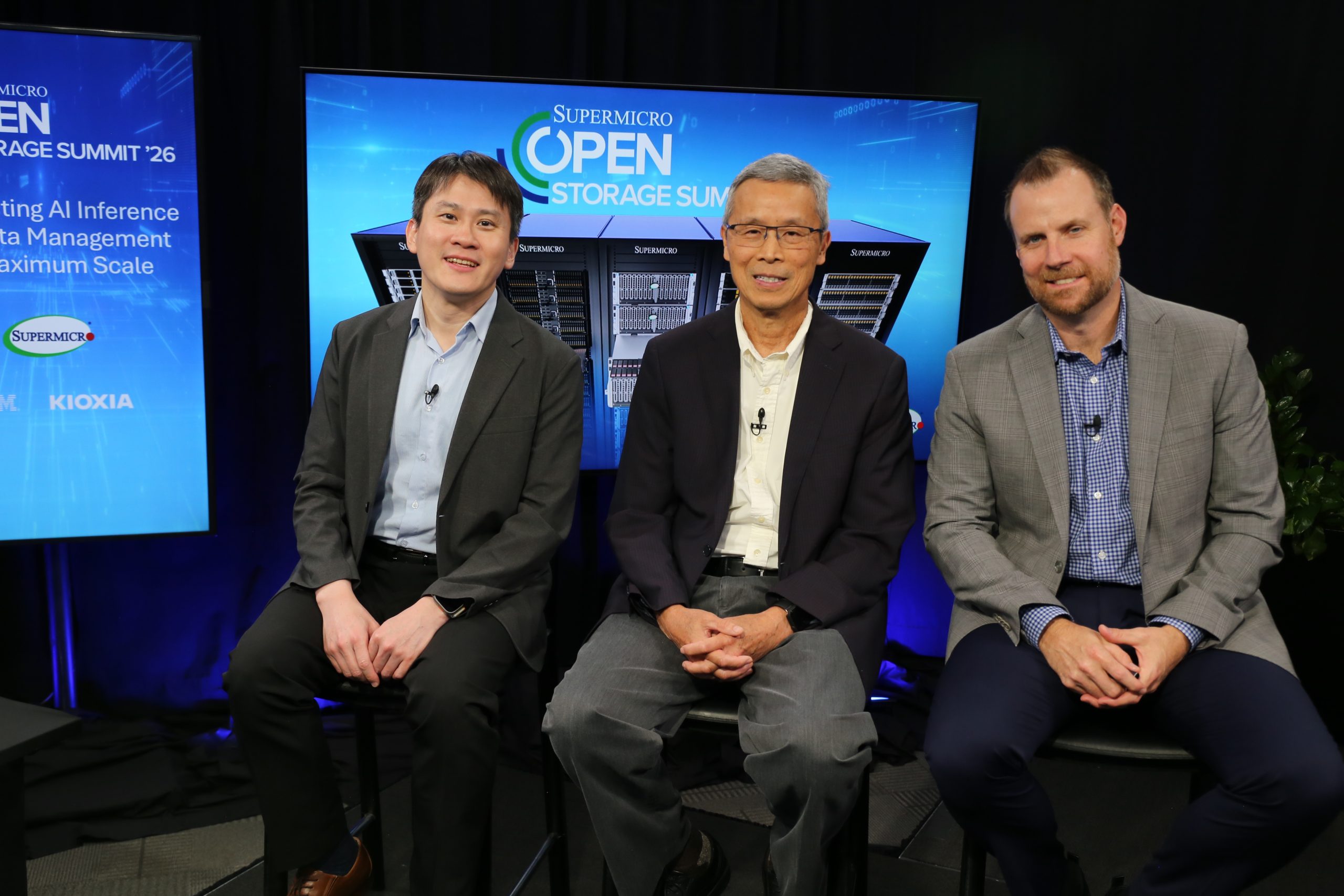
AI inference is evolving from a GPU-centric challenge into a system-level problem, with storage latency, network bandwidth, and power consumption becoming critical data center infrastructure concerns.

Astromech raises $20M to build a biological operating system that can forecast evolutionary change
Astromech raised $20M at a $3.8B valuation to develop AI models forecasting biological and evolutionary change, led by Bob Nelsen with participation from Peak 6, NeoGenesis Capital, Builders VC, and CAZ Investments.
Neoclouds reshape traditional architectures to meet AI demands
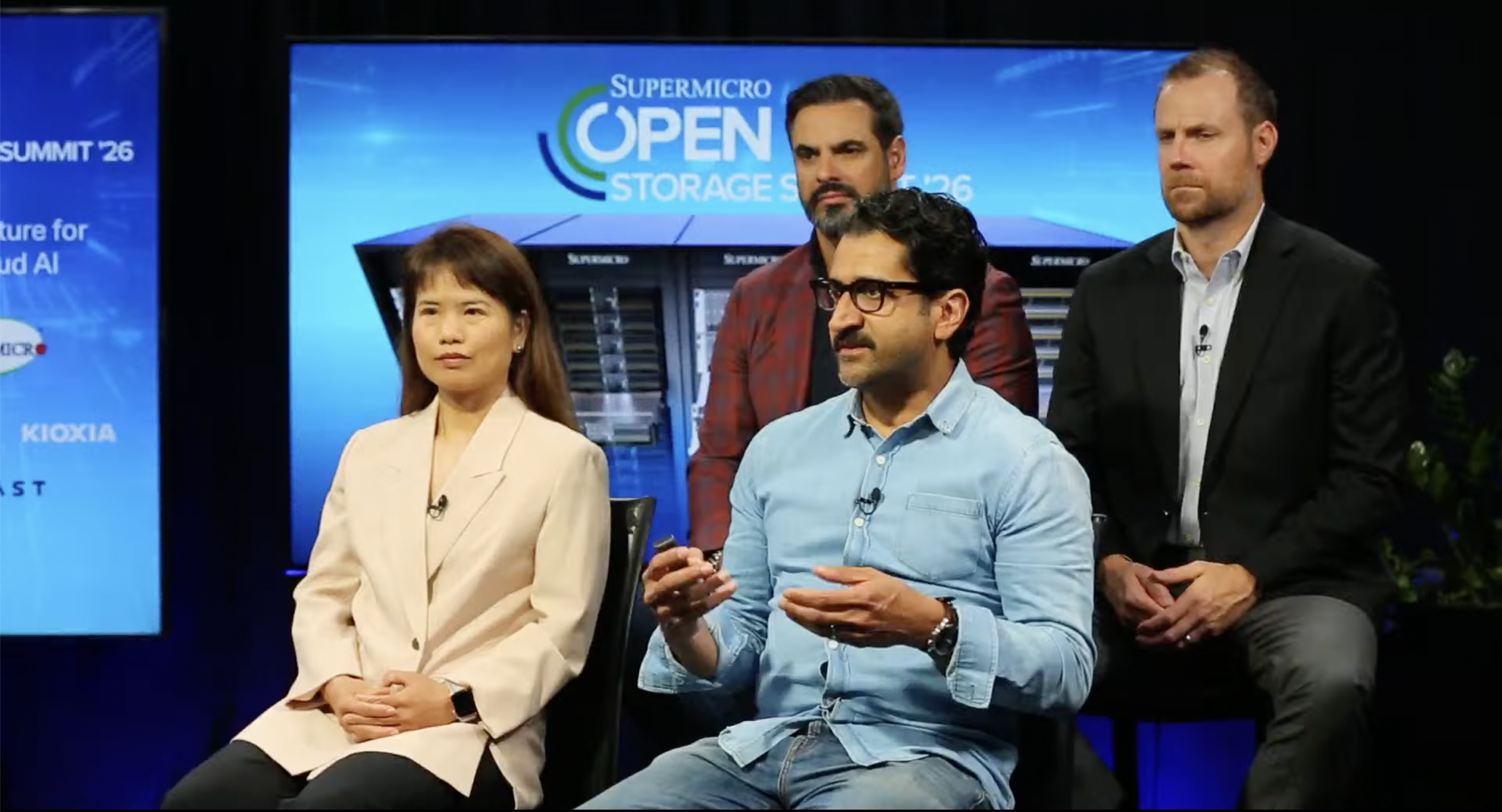
AI-first neocloud providers are reshaping enterprise infrastructure as the industry shifts from training to inference workloads, driving new collaborations between hardware, data platforms, and cloud providers.

Layered data architecture turns enterprise data into a system of intelligence
Knowledge graphs are becoming a foundational layer for enterprise AI, with a new class of layered data architecture helping organizations transform scattered data into trustworthy, context-rich answers for AI models.

Graph neural networks are turning hidden fraud into visible networks
Graph neural networks are transforming enterprise fraud detection by mapping hidden relationships between bad actors and revealing interconnected fraud patterns that traditional transaction-based systems miss.
Site Discovery
Keep exploring the AI ecosystem
After this brief, continue into related tools, models, and rankings to understand whether the story affects your choices.