
OpenAI’s junior version of ChatGPT with guardrails has launched
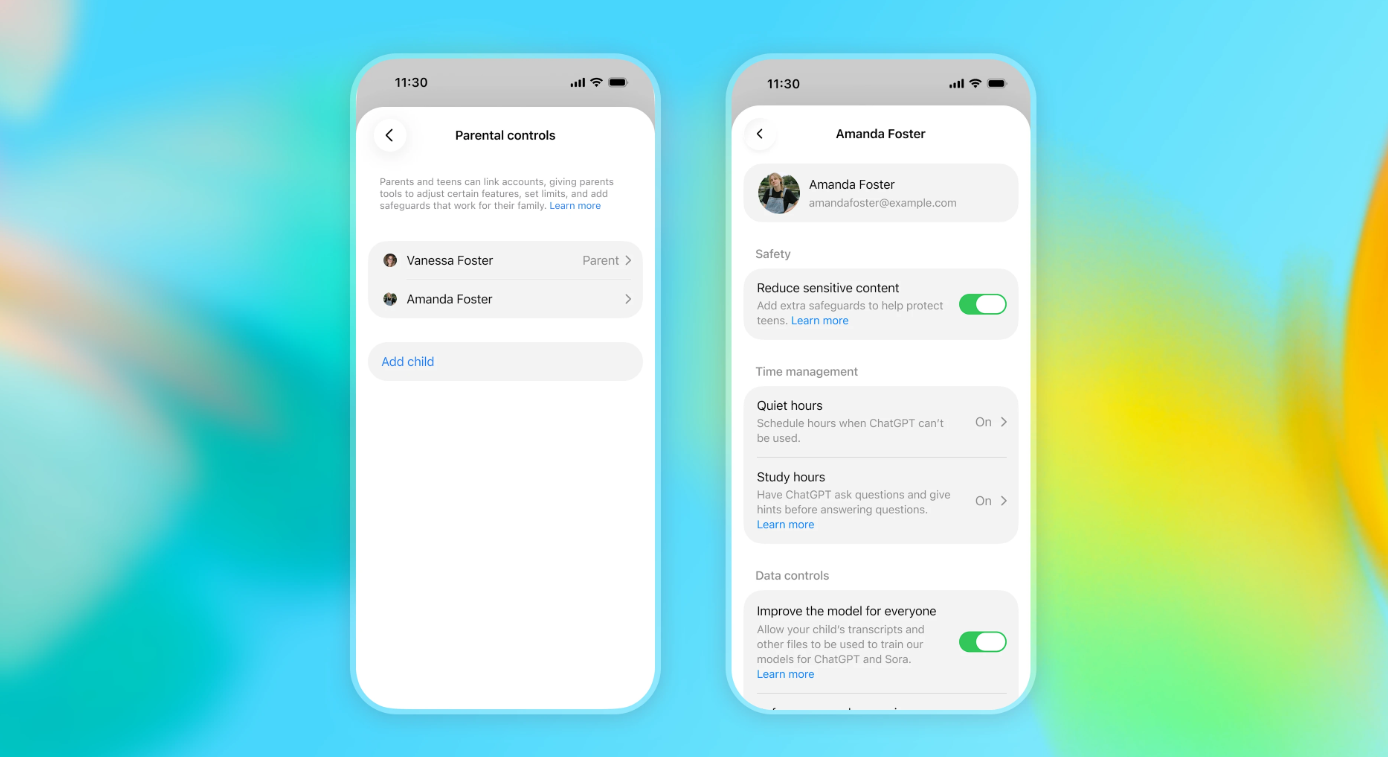
OpenAI has launched ChatGPT for Teens, a stricter version of its chatbot with enhanced guardrails designed specifically for younger users, amid growing scrutiny over AI misuse by minors.
Signal Snapshot
Briefing Notes
What happened and why it matters
Summary
OpenAI has launched ChatGPT for Teens, a stricter version of its chatbot with enhanced guardrails designed specifically for younger users. The release comes amid growing scrutiny over how generative AI products can be misused by minors.
Why it matters
As generative AI continues to permeate daily life, regulators, parents, and educators have raised concerns about the potential risks these tools pose to younger audiences. OpenAI's decision to introduce a dedicated teen version signals a growing industry trend toward age-segmented AI products with built-in safety mechanisms. This move reflects increasing pressure on AI companies to take responsibility for how their tools are used by vulnerable demographics.
Related tools
- Browse AI tools for products in this space
- Model library for weights and APIs
- Rankings for curated shortlists
Impact on AI tools/models
The launch of ChatGPT for Teens represents a strategic shift in how major AI providers approach safety and accessibility. By creating a differentiated product with stricter guardrails, OpenAI is setting a precedent that other AI companies may follow. This could lead to a new category of age-restricted AI assistants that balance functionality with enhanced content moderation. For developers and researchers exploring AI tools, this highlights the growing importance of safety-first design in consumer-facing AI products.
What to watch
- How other major AI providers respond with their own teen-focused offerings
- Whether regulatory bodies will establish formal guidelines for AI safety in youth-oriented products
- User adoption rates and feedback from the teen demographic
- Potential limitations or restrictions that may accompany the enhanced guardrails
- Industry-wide shifts toward age-gated AI access as a standard practice
Search FAQ
Frequently asked questions
FAQ
What is ChatGPT for Teens?
Why did OpenAI launch a version for teens?
How is ChatGPT for Teens different from the standard version?
Keep Tracking
Related AI news
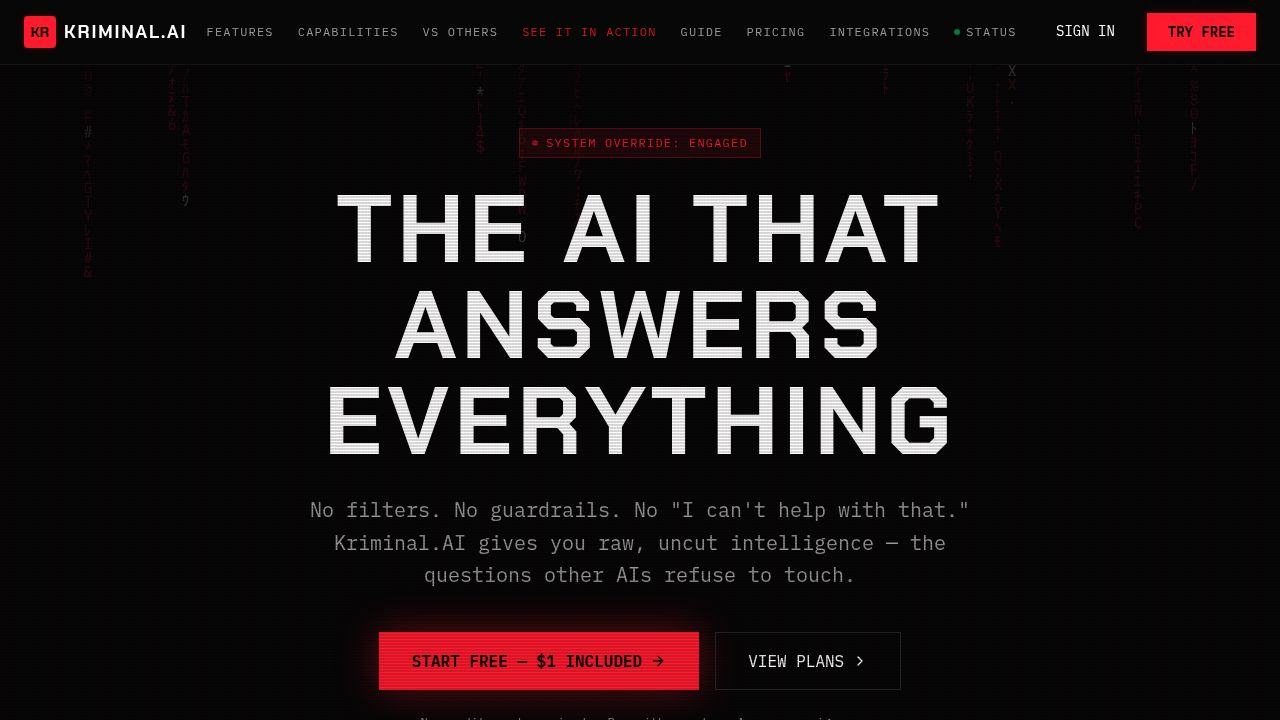
Criminal AI tool Kriminal is mostly just Grok with a jailbreak, ThreatDown finds
Research finds criminal AI tool Kriminal is essentially Grok with a jailbreak, rented from SpaceXAI, contradicting its claims of circumventing legitimate AI.

Google’s attempt to buy Spirit Airlines’ data might come unstuck
Google's $10 million bid to acquire Spirit Airlines' business data faces challenges from two parties after initial bankruptcy court approval.

Weak API controls are one of the biggest threats in the agentic AI era
Weak API controls are flagged as a critical security threat as AI agents integrate into enterprise workflows, with Gartner projecting 40% of enterprise apps will have task-specific agents by year-end.

The AI inference race moves beyond GPUs to reshape data center infrastructure
AI inference is evolving from a GPU-centric challenge into a system-level problem, with storage latency, network bandwidth, and power consumption becoming critical data center infrastructure concerns.

Astromech raises $20M to build a biological operating system that can forecast evolutionary change
Astromech raised $20M at a $3.8B valuation to develop AI models forecasting biological and evolutionary change, led by Bob Nelsen with participation from Peak 6, NeoGenesis Capital, Builders VC, and CAZ Investments.
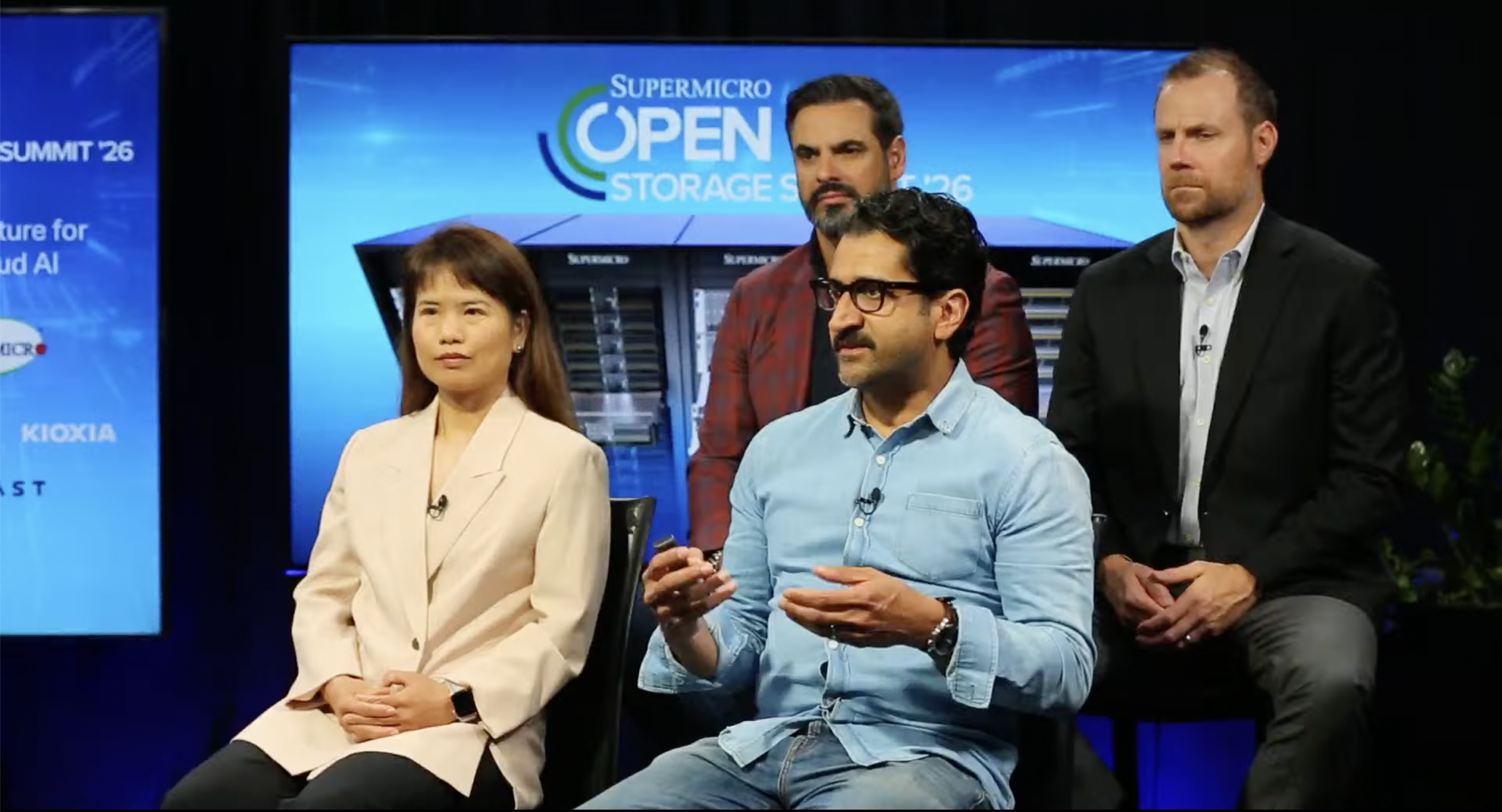
Neoclouds reshape traditional architectures to meet AI demands
AI-first neocloud providers are reshaping enterprise infrastructure as the industry shifts from training to inference workloads, driving new collaborations between hardware, data platforms, and cloud providers.
Site Discovery
Keep exploring the AI ecosystem
After this brief, continue into related tools, models, and rankings to understand whether the story affects your choices.