
Hypercubic raises $5.3M to map out and rewrite legacy COBOL apps with AI agents
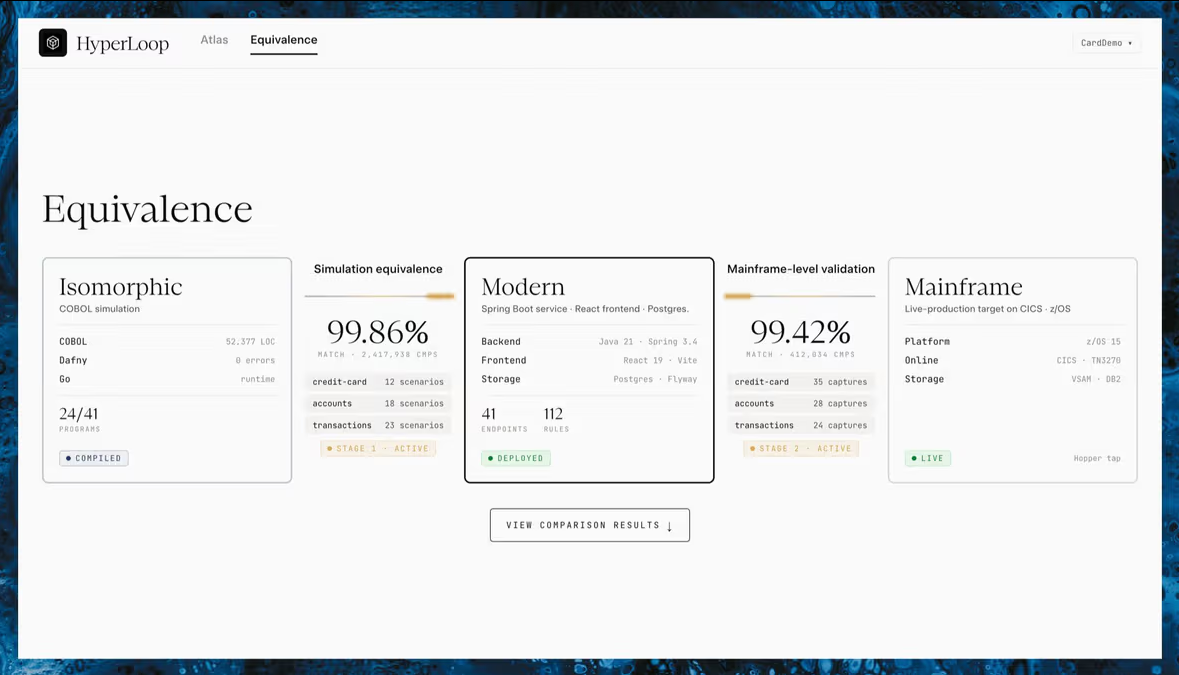
Hypercubic raises $5.3M in seed funding to build AI agents that map and rewrite legacy COBOL applications for modern systems.
Signal Snapshot
Briefing Notes
What happened and why it matters
Summary
Hypercubic Inc., an artificial intelligence startup, has raised $5.3 million in seed funding to tackle the growing challenge of modernizing legacy applications written in COBOL. The funding round was led by CIV and included participation from Y Combinator, Afore Capital, Pioneer Fund, Multimodal Investors, and angel investors such as Opendoor CEO Kaz.
Why it matters
COBOL continues to power a significant portion of the world’s critical enterprise and government infrastructure, yet the number of developers skilled in the decades-old language is steadily declining. Organizations relying on COBOL systems face mounting risks around maintenance, security, and scalability. Hypercubic’s approach uses AI agents to automatically map the logic of legacy COBOL applications and rewrite them into modern programming languages, potentially accelerating a process that traditionally required years of manual effort by specialized teams.
Related tools
Impact on AI tools/models
Hypercubic’s entry into the legacy modernization space highlights the expanding role of AI agents beyond code generation and into complex system transformation. By applying AI to understand, map, and rewrite COBOL applications, Hypercubic demonstrates how specialized AI models can address niche but high-impact enterprise challenges. This trend is likely to influence how AI news covers the intersection of generative AI and enterprise software modernization, and it may inspire further investment in AI-driven tools for legacy system migration.
What to watch
- Whether Hypercubic’s AI agents can handle the complexity and edge cases inherent in large-scale COBOL codebases.
- How enterprise adoption rates compare to traditional manual modernization approaches in terms of speed and accuracy.
- Potential expansion into other legacy languages beyond COBOL, such as PL/I or Fortran.
- Competitive dynamics in the AI tools landscape as other startups target the same modernization problem.
- Updates on Hypercubic’s funding trajectory and partnerships, which could signal broader industry momentum in AI-driven legacy remediation.
Search FAQ
Frequently asked questions
FAQ
What is Hypercubic's main product?
Who led Hypercubic's seed funding round?
Why is COBOL modernization important?
Keep Tracking
Related AI news
Weak API controls are one of the biggest threats in the agentic AI era
Weak API controls are flagged as a critical security threat as AI agents integrate into enterprise workflows, with Gartner projecting 40% of enterprise apps will have task-specific agents by year-end.
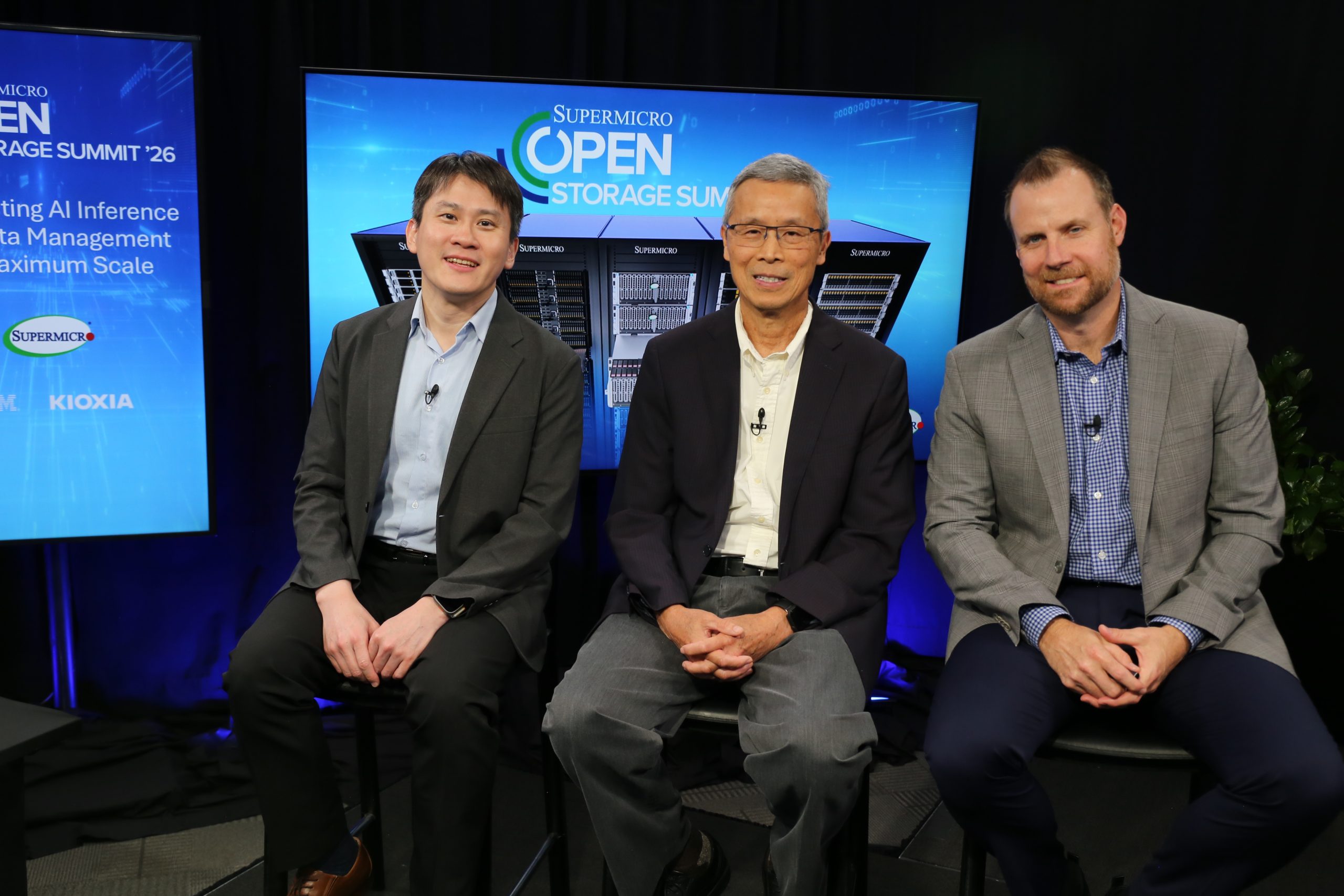
The AI inference race moves beyond GPUs to reshape data center infrastructure
AI inference is evolving from a GPU-centric challenge into a system-level problem, with storage latency, network bandwidth, and power consumption becoming critical data center infrastructure concerns.

Astromech raises $20M to build a biological operating system that can forecast evolutionary change
Astromech raised $20M at a $3.8B valuation to develop AI models forecasting biological and evolutionary change, led by Bob Nelsen with participation from Peak 6, NeoGenesis Capital, Builders VC, and CAZ Investments.
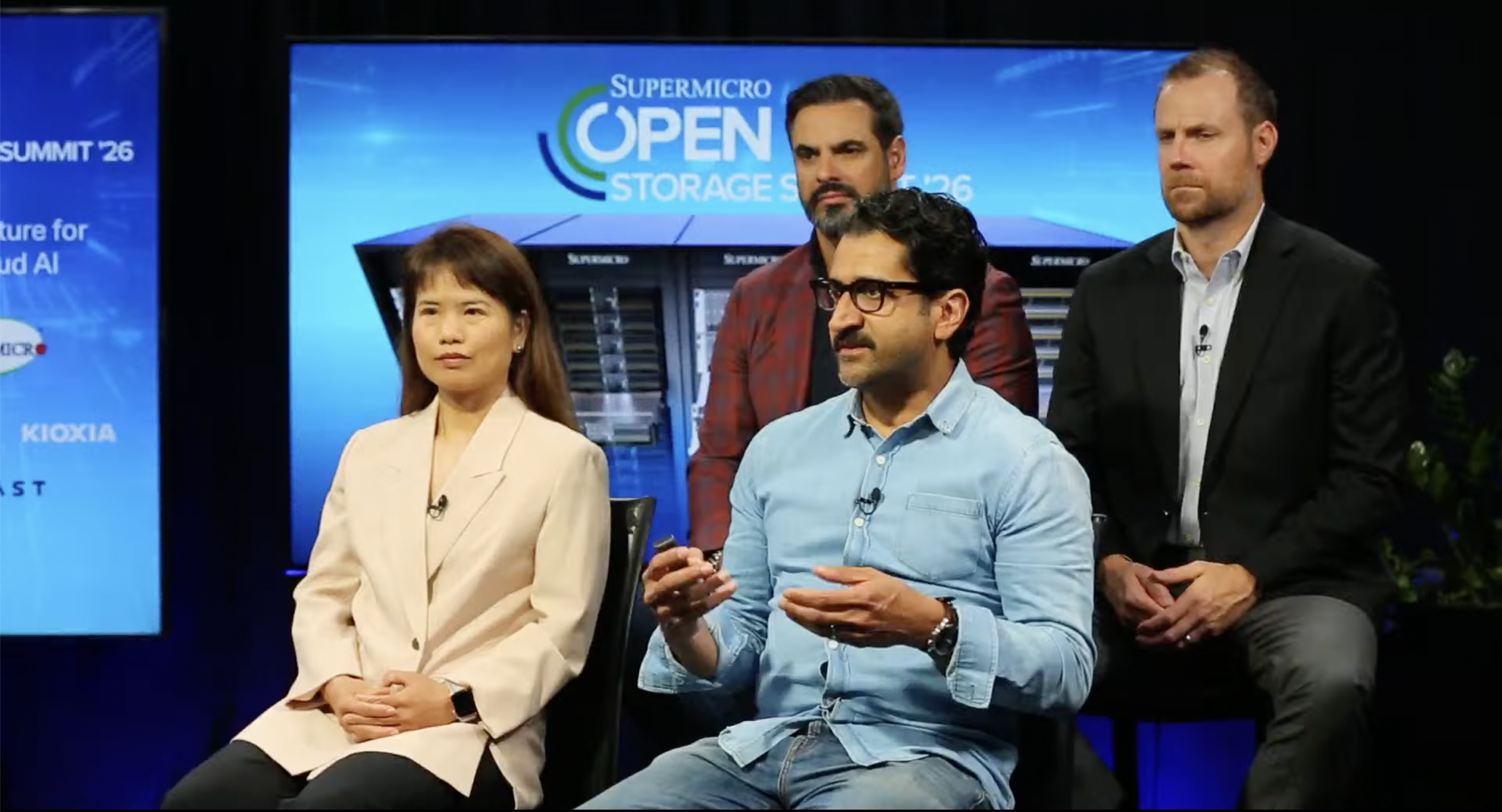
Neoclouds reshape traditional architectures to meet AI demands
AI-first neocloud providers are reshaping enterprise infrastructure as the industry shifts from training to inference workloads, driving new collaborations between hardware, data platforms, and cloud providers.

Layered data architecture turns enterprise data into a system of intelligence
Knowledge graphs are becoming a foundational layer for enterprise AI, with a new class of layered data architecture helping organizations transform scattered data into trustworthy, context-rich answers for AI models.
Graph neural networks are turning hidden fraud into visible networks
Graph neural networks are transforming enterprise fraud detection by mapping hidden relationships between bad actors and revealing interconnected fraud patterns that traditional transaction-based systems miss.
Site Discovery
Keep exploring the AI ecosystem
After this brief, continue into related tools, models, and rankings to understand whether the story affects your choices.